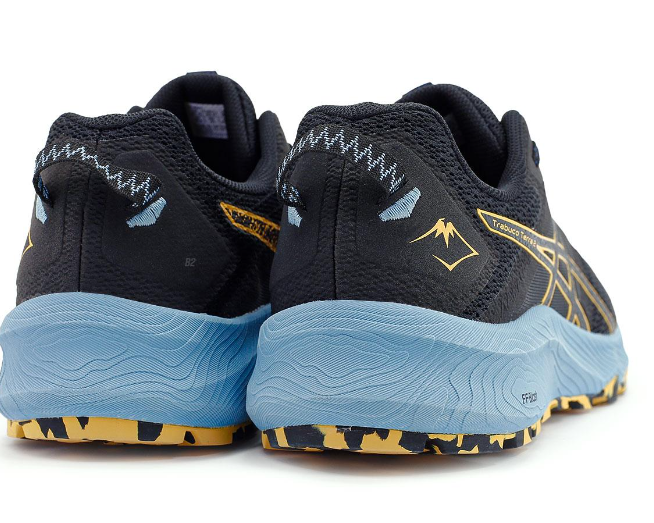
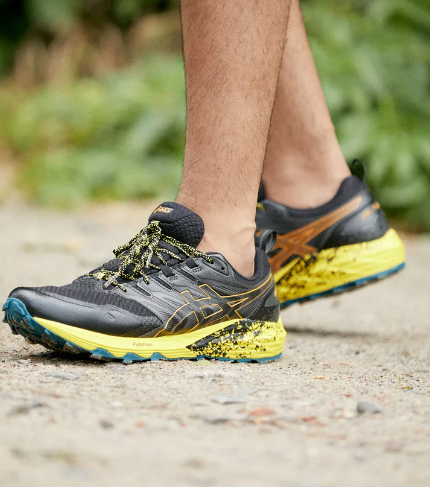
The Asics Trabuco Gel 2 is not just another trail runner shoe; it’s a versatile hybrid that I’ve come to rely on through various versions and countless adventures. From bustling city walks to casual runs and light trail excursions, this shoe has consistently provided the performance and comfort needed to handle diverse environments.
Versatility at Its Best
I’ve always chosen the Asics Trabuco Gel 2 as my go-to hybrid shoe, especially when packing light for travel. Its versatility means I can explore a city all day and switch to a trail or a casual run without needing a second pair of shoes. The seamless transition it offers from urban pavements to natural terrains highlights its design and functionality, making it an ideal choice for anyone who wants to do more with less.
Urban and Trail Ready
One of the standout features of the Trabuco Gel 2 is its grip. Whether I’m navigating the slick streets of a rainy city or tackling the loose surfaces of a forest trail, the outsole provides enough traction to keep me secure and confident. This grip performance, coupled with the shoe’s durable construction, ensures that I can face various surface challenges without any slips or stumbles, enhancing safety during my activities.
Comfort Is King
However, it’s the comfort that truly sets the Trabuco Gel 2 apart. Asics has engineered this shoe with a focus on supporting long periods of wear, which is perfect for those extended days on your feet. The Gel technology in the midsole offers superior shock absorption, crucial for reducing fatigue when you’re clocking up the miles on hard city pavements or rugged country trails. Additionally, the shoe’s breathable materials keep my feet cool and dry, which is essential for maintaining comfort during longer excursions.
Ideal for Light Runs and More
While the Trabuco Gel 2 is robust enough for mild trails, it’s also light enough for short, everyday runs. This balance is hard to find in typical trail shoes, which often sacrifice flexibility for ruggedness. The Trabuco Gel 2, however, manages to provide enough cushioning and support to protect your feet while maintaining the agility needed for quicker, more responsive movements during runs.
Long-Term Reliability
Having owned several versions of this shoe, I can attest to its durability and lasting comfort. Each pair has withstood the test of time and terrain, maintaining their performance characteristics despite extensive use. This reliability makes the Trabuco Gel 2 a wise investment for anyone who values longevity and consistent performance in their footwear.
Overall, the Asics Trabuco Gel 2 is a stellar hybrid shoe that excels in versatility, comfort, and reliability. Whether you’re a city walker, a casual runner, or a weekend trail explorer, this shoe will meet your needs with its balanced features. For those who are looking for a multi-purpose shoe that they can depend on across various activities, the Trabuco Gel 2 is undoubtedly worth considering.
Hello, fellow runners! Are you gearing up for the BMW Helsinki Marathon on August 24, 2024, and feeling a mix of excitement and nerves? You’re not alone! As someone who’s been through the highs and lows of marathon training, I know exactly what you’re going through. In this blog post, we’re diving into some essential tips to help you prepare for this iconic race. From navigating the picturesque yet challenging course to fine-tuning your nutrition and gear, I’ve got you covered. So, lace up your running shoes and let’s get started on making your Helsinki Marathon experience unforgettable!
Have you ever wondered what makes the Helsinki Marathon so special? Maybe it’s the stunning coastal views, the vibrant city atmosphere, or the thrill of crossing the finish line after months of hard work. Whatever your motivation, this guide is here to ensure you’re fully prepped and pumped for race day. Stick around, because by the end of this post, you’ll feel more confident and ready to tackle those 42.2 km with a smile on your face. Let’s dive in and start this journey together!
My preparation for Helsinki Marathon
When it comes to preparing for the Helsinki Marathon, I’ve found that a balanced approach works best for me. My training plan focuses heavily on volume to ensure that I can finish the marathon strong. By gradually increasing my weekly mileage, I’m able to build the endurance necessary for those grueling 42.2 kilometers. But let’s be real—running alone can get monotonous, which is why I incorporate cross-training into my regimen. Whether it’s swimming, which I swear by (check out my post on Swimming for Runners), or indoor cycling, variety keeps my workouts fresh and engaging.
Here’s a breakdown of what my typical training week looks like:
Monday: Rest or light yoga for flexibility.
Tuesday: Interval training (5-6 miles).
Wednesday: Cross-training (swimming or cycling).
Thursday: Tempo run (8-10 miles).
Friday: Rest or easy run (3-4 miles).
Saturday: Long run (15-20 miles).
Sunday: Cross-training or active recovery.
By mixing in different forms of exercise, I’m not only avoiding the risk of overuse injuries but also keeping my motivation high. Plus, cross-training activities like swimming and cycling help to strengthen different muscle groups that are crucial for running efficiency. If you’re curious about how to level up your cross-training game, especially indoor cycling, my post on Zwift workouts is a must-read. Trust me, the variety will make all the difference when you hit those tough stretches of your marathon training.
Optimal Nutrition Strategies for Marathon Day
Your nutrition strategy can make or break your performance. Have you ever wondered why some runners hit the dreaded ‘wall’ while others breeze through to the finish line? The secret often lies in how well they’ve fueled their bodies. To ensure you have the energy to power through those 42.2 km, let’s talk about the optimal nutrition strategies you should follow on race day. First off, start your morning with a balanced breakfast that includes a mix of carbohydrates, protein, and a bit of fat. Think oatmeal topped with bananas and a spoonful of peanut butter, or a whole-grain bagel with a side of Greek yogurt. These foods will provide you with sustained energy without weighing you down.
Hydration is just as crucial. Did you know that even a small level of dehydration can significantly impact your performance? Make sure to drink water regularly in the days leading up to the marathon. On race day, aim to drink about 16-20 ounces of water two hours before the start. During the race, take advantage of the water stations, even if you don’t feel thirsty. If you’re unsure how much to drink, a good rule of thumb is to consume about 4-6 ounces every 20 minutes. And don’t forget about electrolytes! Consider sipping on a sports drink or carrying electrolyte tablets to keep your levels balanced. For more tips on staying hydrated, check out my post on summer training and hydration.
As you approach the final week before the marathon, start incorporating more carbohydrates into your meals. This practice, known as carb-loading, helps to maximize your glycogen stores, which are essential for endurance events. Aim to get about 70% of your daily calories from carbs. Pasta, rice, potatoes, and fruits are excellent choices. And if you’re looking for a protein boost to aid muscle recovery, consider adding whey protein to your diet. I’ve written about the benefits of whey protein for runners, and it could be a game-changer for you.
Remember, everyone’s body reacts differently, so it’s essential to test your nutrition plan during your training runs. This way, you’ll know exactly what works best for you and avoid any race-day surprises. Stick to familiar foods and drinks that your body is used to, and you’ll set yourself up for marathon success. Good luck, and I’ll see you at the finish line!
Essential Gear for the Helsinki Marathon
When it comes to preparing for the Helsinki Marathon, having the right gear can make all the difference. Picture this: you’re cruising along the beautiful coastal paths, the fresh sea breeze in your hair, and the last thing you want is to be distracted by uncomfortable shoes or a watch that’s not up to par. Trust me, I’ve been there, and I can’t stress enough how crucial it is to gear up properly. So, what should you be wearing and carrying on race day? Let’s break it down.
First off, your running shoes are arguably the most important piece of gear. If you haven’t already, invest in a pair that offers the right balance of cushioning and support for your stride. I’ve personally found the Hoka Carbon X3 to be a game-changer, offering both comfort and performance over long distances. Next, consider your running attire. Opt for moisture-wicking fabrics to stay dry and comfortable—trust me, there’s nothing worse than chafing halfway through the race! For your tech needs, the Apple Watch Ultra has been a reliable companion for me, providing real-time stats and keeping me motivated with its sleek design and functionality.
Don’t forget the little things that can make a big difference. Compression socks can help reduce muscle fatigue, and a good running belt will keep your essentials like gels, a phone, and keys secure without bouncing around. Hydration is key, so consider a handheld water bottle or a hydration vest, especially if you prefer sipping water throughout the race rather than relying solely on the water stations. And finally, sunscreen and a good pair of sunglasses will protect you from the sun’s rays, ensuring you can focus on the race and enjoy those stunning Helsinki views. Gear up wisely, and you’ll be that much closer to an unforgettable marathon experience!
Travel, run and enjoy
Have you ever thought about how marathons can be a gateway to exploring new places and immersing yourself in different cultures? Running the Helsinki Marathon is not just about the race itself; it’s also a fantastic opportunity to travel, meet new people, and experience the local Finnish culture. Picture this: after months of training, you’re not only crossing the finish line but also discovering the scenic beauty of Helsinki, enjoying its vibrant atmosphere, and savoring local delicacies. It’s a win-win situation where you get to combine your passion for running with the joy of travel.
For instance, when I participated in the Vilnius Half Marathon, it wasn’t just about the race. It was also about exploring the historic city of Vilnius, its architecture, and its rich history. Similarly, the Cyprus Marathon offered a unique blend of running along beautiful coastlines while soaking in the Mediterranean culture. The Helsinki Marathon can provide a similar enriching experience. Here are a few tips to make the most out of your marathon travel:
Plan Ahead: Research the local attractions, food, and events happening around the marathon date. This way, you can plan your itinerary to include sightseeing and relaxation post-race.
Connect with Locals: Join local running groups or forums to get insider tips on the best places to visit, eat, and unwind. Locals can offer valuable insights that you won’t find in typical travel guides.
Embrace the Culture: Take some time to learn about Finnish customs and traditions. Whether it’s trying a traditional sauna or sampling some Finnish cuisine, these experiences will make your trip even more memorable.
Combining your marathon goals with travel adventures not only enriches your experience but also provides a mental boost. Knowing that you’ll be exploring a new place can serve as a great motivator during those tough training runs. So, as you prepare for the Helsinki Marathon, remember that it’s more than just a race. It’s an opportunity to travel, run, and truly enjoy everything this beautiful city has to offer. Happy running and happy travels!
Mental Preparation for Marathon Success
Preparing mentally for a marathon is just as crucial as the physical training, especially for a race as iconic as the Helsinki Marathon. Picture this: it’s the morning of August 24, 2024, and you’re standing at the starting line, feeling a blend of excitement and nerves. The key to transforming those jitters into positive energy lies in your mental preparation. One of the first steps is visualization. Take some time each day to imagine yourself running the course, soaking in the stunning coastal views, and feeling the vibrant city atmosphere. Visualizing your success can significantly boost your confidence and keep you focused on race day.
Another essential aspect of mental preparation is setting realistic goals. It’s important to have a clear and achievable target in mind. Whether it’s completing the marathon within a specific time or simply crossing the finish line, having a goal will help you stay motivated throughout your training. Additionally, practice positive self-talk. Replace any negative thoughts with affirmations like, “I am strong,” “I am prepared,” and “I can do this.” This simple shift in mindset can make a world of difference when you’re pushing through those tough miles. Don’t forget to also prepare for the unexpected. Have a mental strategy for dealing with potential setbacks, whether it’s a sudden change in weather or an unexpected cramp. Being mentally ready for these challenges will help you stay calm and focused, no matter what race day throws at you.
Lastly, remember to enjoy the journey. Marathon training is a long and often grueling process, but it’s also incredibly rewarding. Celebrate your progress, no matter how small, and take time to appreciate the beautiful moments along the way. After all, the Helsinki Marathon is not just about the race itself; it’s about the entire experience, from the first training run to the moment you cross the finish line. Embrace the highs, learn from the lows, and keep your eyes on the prize. You’ve got this!
Hey runners! Have you ever wondered if the Hoka Carbon X3 is the game-changer it claims to be? Well, you’re in for a treat. Over the past few months and over than 1000km, I’ve put these shoes through their paces—literally! From marathon training to casual jogs, I’ve tested every aspect of the Carbon X3 to bring you a comprehensive long-term review. Whether you’re a seasoned marathoner or just starting your running journey, this post will give you all the insights you need to decide if these shoes are your next best investment. So, lace up and let’s dive into the nitty-gritty!
Introduction to Hoka Carbon X3
Hey there, fellow runners! If you’ve been eyeing the Hoka Carbon X3 and wondering if it lives up to the hype, you’re not alone. I was in the same boat a few months ago, curious about all the buzz around these high-tech running shoes. So, I decided to take the plunge and test them out myself. And let me tell you, the journey has been nothing short of exhilarating. From the first time I laced them up to the 1000km mark, I’ve experienced all the highs and lows these shoes have to offer. Whether it’s the ultra-lightweight feel or the impressive energy return, there’s a lot to unpack here. So, if you’re curious about what makes the Carbon X3 tick, stick around—I’ve got the scoop for you.
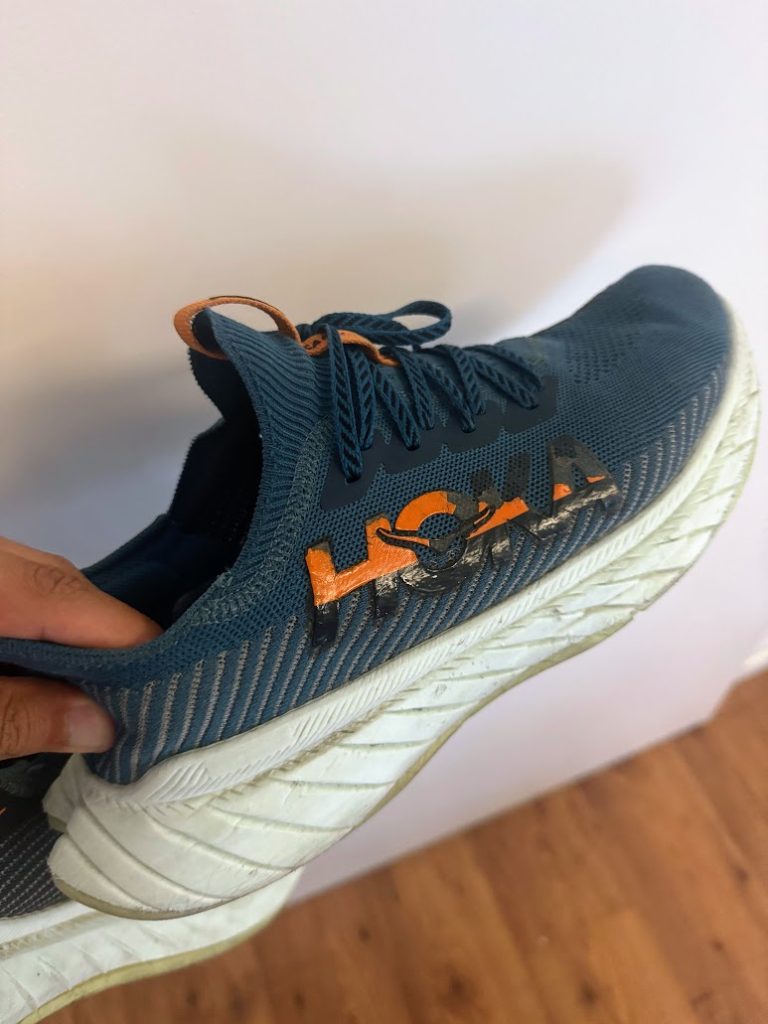
Hoka Carbon x3 after 1000km
Now, let’s get into the specifics. One of the first things you’ll notice about the Hoka Carbon X3 is its unique design, particularly the carbon fiber plate embedded in the midsole. This feature aims to provide a spring-like effect, propelling you forward with each stride. But does it really work? In my experience, absolutely. Here’s a quick rundown of what I’ve observed:
Comfort: The cushioning is superb, making long-distance runs much more manageable.
Durability: After 1000km, the shoes are still in great shape, a testament to their build quality.
Performance: The carbon fiber plate really does give you that extra boost, especially noticeable during speed workouts.
But it’s not all sunshine and rainbows. There are a few quirks you should be aware of. For instance, the fit might be a bit snug for those with wider feet, so you might want to try them on before committing. Also, while the energy return is fantastic, it does take some getting used to—especially if you’re coming from a more traditional running shoe. Overall, though, the Hoka Carbon X3 has proven to be a reliable companion for all my running adventures. Curious to learn more about the benefits of carbon fiber shoes? Check out my detailed guide here.
Design and Build Quality
Alright, let’s talk about the design and build quality of the Hoka Carbon X3. When I first unboxed these shoes, I was immediately struck by their sleek and modern design. The color combinations are not only eye-catching but also give off a vibe of speed and performance. The upper is made from a breathable mesh material that feels both lightweight and durable. This is a huge plus for those long-distance runs where breathability can make a world of difference. Have you ever had shoes that felt like they were suffocating your feet? Well, that’s definitely not the case here.
One of the standout features of the Carbon X3 is its carbon fiber plate embedded in the midsole. This isn’t just a gimmick; it genuinely provides a responsive and propulsive feel with every stride. Over the past few months, I’ve put these shoes through various conditions—rain, mud, and even some rocky trails—and they’ve held up remarkably well. The outsole shows minimal wear, which speaks volumes about its durability. Here are a few key points that stood out to me:
Upper Material: Breathable and lightweight, perfect for long runs.
Midsole: Carbon fiber plate for added propulsion and responsiveness.
Outsole: Durable with excellent traction, even in wet conditions.
In terms of fit, the Hoka Carbon X3 offers a snug yet comfortable experience. The toe box is roomy enough to accommodate natural foot splay, which is crucial for maintaining comfort over longer distances. If you’ve ever struggled with blisters or tightness in other running shoes, you’ll appreciate the thoughtful design here. So, if you’re looking for a shoe that combines cutting-edge technology with practical comfort, the Hoka Carbon X3 might just be your perfect match.
For those of you just starting your running journey, you might want to check out my guide on how to start running while overweight. Trust me, the right pair of shoes can make all the difference!
Comfort and Fit for Long Runs
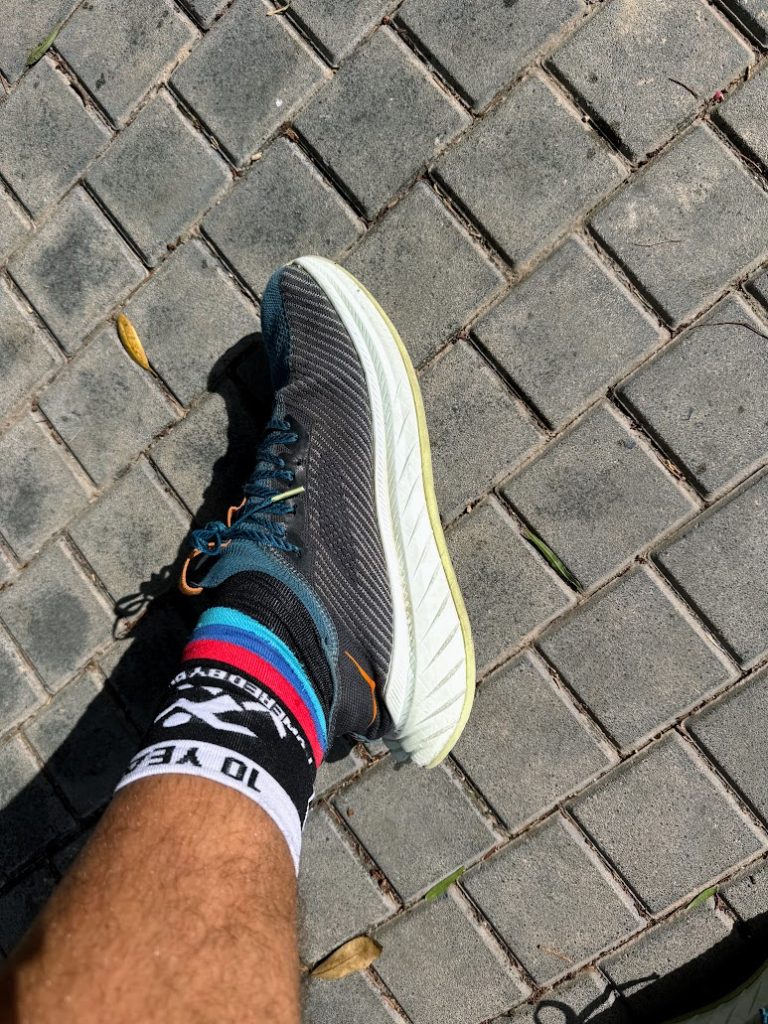
When it comes to long-distance running, comfort and fit are non-negotiable. The Hoka Carbon X3 exceeds expectations in both these areas, making it a go-to choice for marathoners and casual runners alike. Have you ever felt that nagging discomfort after just a few kilometers? Well, with the Carbon X3, those days are behind you. From my first run to my latest 30km session, these shoes have consistently delivered unparalleled comfort. The plush cushioning feels like you’re running on clouds, while the snug fit ensures your feet stay secure without feeling restricted.
Hoka Carbon x3 used for long run
One of the standout features of the Carbon X3 is its lightweight design. Despite the ample cushioning, the shoe feels incredibly light on your feet, which is a game-changer for long runs. I remember during my Vilnius Half Marathon, these shoes made the difference between a good run and a great run. They offer just the right amount of support, preventing any unnecessary strain on your feet and legs. Here are some key points that make the Carbon X3 a top pick for long-distance runners:
Breathable Upper: Keeps your feet cool and dry, even on hot days.
Ample Cushioning: Provides excellent shock absorption, reducing the impact on your joints.
Snug Fit: Ensures your feet stay in place, minimizing the risk of blisters.
Lightweight Design: Helps maintain your energy levels over long distances.
If you’re looking to enhance your running performance, investing in a pair of Hoka Carbon X3 could be one of the smartest decisions you make. They not only offer exceptional comfort and fit but also contribute to better overall performance. For more tips on improving your running game, check out my post on 5 Key Training Techniques. Trust me, your feet will thank you!
Durability and Longevity Insights
Hey there, fellow runners! When it comes to investing in a pair of running shoes, durability and longevity are key factors we all look for, right? So, how does the Hoka Carbon X3 stack up after months of pounding the pavement? Let me share my experience. After running over 1000km in these shoes, I can confidently say that they hold up impressively well. I’ve taken them through various terrains—from smooth roads to rocky trails—and they’ve proven to be incredibly resilient. The outsole shows minimal wear, and the cushioning remains as supportive as it was on day one. I even wore them during a particularly grueling marathon, and they didn’t let me down!
One of the most remarkable aspects of the Hoka Carbon X3 is its upper material. It’s engineered to be both lightweight and durable, which is a rare combination. I’ve had shoes in the past where the upper would start to fray after a few months, but not with these. The breathable mesh still looks almost new, and the fit hasn’t stretched out at all. Here are some key points I’ve noticed:
Outsole Durability: Minimal wear even after 1000km.
Cushioning: Consistent support and comfort over time.
Upper Material: Lightweight, breathable, and retains its shape.
So, if you’re wondering whether the Hoka Carbon X3 can go the distance, my answer is a resounding yes. These shoes are built to last, making them a solid investment for any serious runner. Have you tried them yet? I’d love to hear about your experiences in the comments below!
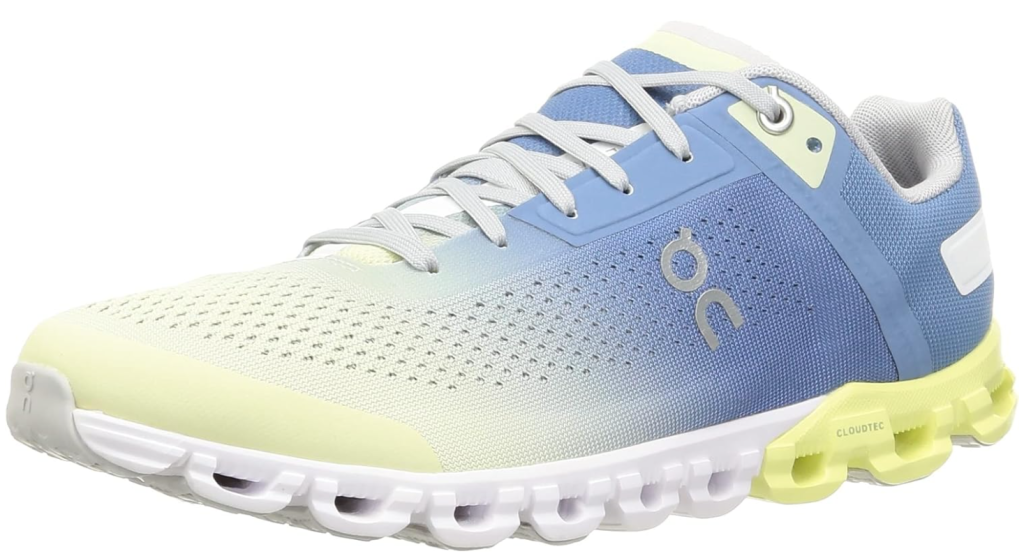
The OnCloud Cloudflow stands out with its sleek, modern design that appeals to both aesthetic-conscious runners and those who prioritize function. Available in a variety of colors, the shoe features a streamlined silhouette that complements its performance features. The attention to detail in the stitching and the integration of reflective elements not only adds to the visual appeal but also enhances visibility during low-light conditions.
The aesthetic appeal of the Cloudflow is matched by its practical design choices, which include a lightweight mesh upper that provides excellent breathability. This design choice ensures that the shoes feel light on the feet, making them a great option for runners who value speed and comfort during their runs. The overall look is sporty yet sophisticated, capable of transitioning from training sessions to casual wear seamlessly.
2. Comfort and Fit
Comfort is paramount in the OnCloud Cloudflow, which boasts a snug fit and exceptional cushioning. The shoe’s insole and midsole offer a soft yet responsive feel, which many runners appreciate during both short sprints and longer distance runs. The adaptive upper mesh works well to conform to the shape of the foot, providing a personalized fit without constraining movement.
Breathability is another strong point of the Cloudflow, making it an excellent choice for running in various weather conditions. The upper’s ventilated design allows for efficient air circulation, helping to keep the feet cool and dry even during intense workouts. This level of comfort and the secure fit are enhanced by the lacing system, which evenly distributes pressure and adds to the overall stability of the shoe.
3. Performance and Technology
The OnCloud Cloudflow is engineered with cutting-edge technology, specifically the proprietary CloudTec® sole that offers a unique balance of soft landings and explosive take-offs. This technology effectively absorbs the impact when the foot strikes the ground and then converts this energy into forward motion, providing an energetic running experience that many users find boosts their performance.
Additionally, the shoe’s Speedboard™ within the sole is designed to propel runners forward and encourage a more dynamic stride. This integration helps in maintaining a high pace and offers better control during runs, which is particularly beneficial during races or speed training. The innovative use of materials and technology in the Cloudflow not only enhances its functionality but also contributes to its longevity and reliability.
4. Durability and Value
Durability is a key consideration for any running shoe, and the OnCloud Cloudflow excels in this area. Constructed with high-quality materials that withstand the wear and tear of regular use, the shoe is designed to last through countless miles without significant degradation in performance or comfort. This makes it a wise investment for serious runners who log extensive mileage each week.
In terms of value, the Cloudflow is competitively priced within the performance running shoe market, offering excellent quality and technology at a price point that is accessible to many runners. While it may be a higher initial investment compared to some basic models, the longevity, advanced features, and overall performance justify the cost, making it a cost-effective choice for dedicated athletes seeking a reliable running partner.
Whey protein is highly regarded for its superior nutritional profile, which is especially beneficial for runners looking to recover quickly from rigorous training. It is a complete protein, containing all nine essential amino acids necessary for repairing muscle tissues that get broken down during long runs. The rapid absorption rate of whey protein makes it ideal for post-exercise consumption, as it quickly delivers amino acids to muscles to initiate the recovery process.
Beyond muscle repair, whey protein also aids in strengthening the immune system—a crucial benefit for runners who push their bodies to the limit and may be susceptible to illness. Regular intake of whey protein can help maintain lean muscle mass and contribute to better overall body composition, which is beneficial for runners aiming to optimize performance and endurance.
Optimal Timing for Whey Protein Intake
For runners, the timing of whey protein intake can significantly impact its effectiveness. Consuming whey protein shortly after a run, typically within 30 to 60 minutes, can optimize the body’s ability to recover by taking advantage of the metabolic window when muscle sensitivity to nutrients is at its peak. This timely intake helps facilitate rapid muscle repair and growth, and can reduce muscle soreness.
Whey protein can also be beneficial when consumed before bed, especially for runners who engage in evening training sessions. During sleep, the body undergoes most of its repair and recovery processes. A slow-digesting form of whey, such as whey protein concentrate or a blend that includes casein, can provide a sustained release of amino acids throughout the night, supporting ongoing muscle recovery and growth.
Whey Protein vs. Other Protein Sources
Whey protein is often compared to other protein sources like plant-based proteins (pea, hemp, rice) and animal-based options like casein or eggs. While plant proteins are ideal for those with dietary restrictions or allergies and are often lower in calories and fat, they typically do not digest as quickly as whey nor do they always contain all essential amino acids unless carefully combined.
Casein, another milk-derived protein, is digested more slowly than whey, making it ideal for providing a gradual supply of amino acids over several hours. This can be particularly useful for endurance athletes who need prolonged muscle recovery. However, for immediate post-workout recovery, whey’s rapid absorption rate makes it a better choice, delivering quick muscle repair and replenishment.
Incorporating Whey Protein into a Runner’s Diet
Integrating whey protein into a runner’s diet can be both easy and delicious. Smoothies are a popular choice, as they can be packed with fruits, vegetables, and a scoop of whey protein to create a balanced, nutrient-rich meal that is easy to digest. Whey protein can also be added to oatmeal, yogurt, or homemade energy bars, providing an extra protein boost without significant additional calories.
For runners with a hectic schedule, whey protein shakes are a convenient option that can serve as an effective meal replacement or a quick snack on-the-go. Mixing whey protein with water, açai from brazil, milk, or a dairy-free alternative along with some nuts or a banana can offer a perfect blend of protein, fats, and carbohydrates, essential for sustained energy release and recovery after long training sessions.
Hey there, fellow runner! Have you ever felt the allure of the great outdoors calling your name? If the idea of swapping city streets for winding trails has crossed your mind, you’re in for a treat. Welcome to ‘Trail Running Essentials: How to Start in Trails’ on Running with Joe! Here, we’ll dive into everything you need to know to make that transition from pavement to dirt paths as smooth as possible. Imagine the fresh air filling your lungs, the sound of leaves crunching under your feet, and the thrill of conquering new terrains. Sounds exciting, right?
Whether you’re a seasoned road runner or a complete newbie, trail running offers a whole new world of challenges and rewards. But where do you start? What gear do you need? And how do you stay safe while exploring the wilderness? Don’t worry, I’ve got you covered. Let’s embark on this trail running journey together and discover the essentials that will set you up for success. Ready to hit the trails? Let’s go!
Trai running: the best way to start and be in touch with the nature
How to start to run in trails
Embarking on your trail running journey can be as thrilling as it is rewarding. But knowing where to start can sometimes feel overwhelming. First things first, begin by choosing the right trails. Opt for well-marked, beginner-friendly trails that match your current fitness level. This will help you build confidence and stamina gradually. Wondering where to find these trails? Sites like AllTrails and WIkiLoc offer detailed maps and user reviews that can guide your choice.
Once you’ve picked your trail, it’s time to focus on technique. Trail running differs from road running as it involves varied terrain that can challenge your balance and coordination. Start with a slow pace; focus on short, quick steps to navigate through rocky or uneven surfaces more efficiently. It’s also helpful to keep your gaze fixed about three to four feet ahead to anticipate obstacles early. Don’t hesitate to walk the steeper sections—conserving energy is key in trail running. Remember, every trail runner started somewhere, and the key is to progress at your own pace and enjoy the journey with nature.
Always remember to carry essential safety gear and sufficient water, especially on longer trails or in remote areas. Starting your trail running adventure is just the beginning—each run adds to your experience, resilience, and connection with the great outdoors. Embrace each step, breathe in the fresh air, and let the adventure elevate your spirit!
Navigating Weather: Apparel Guide
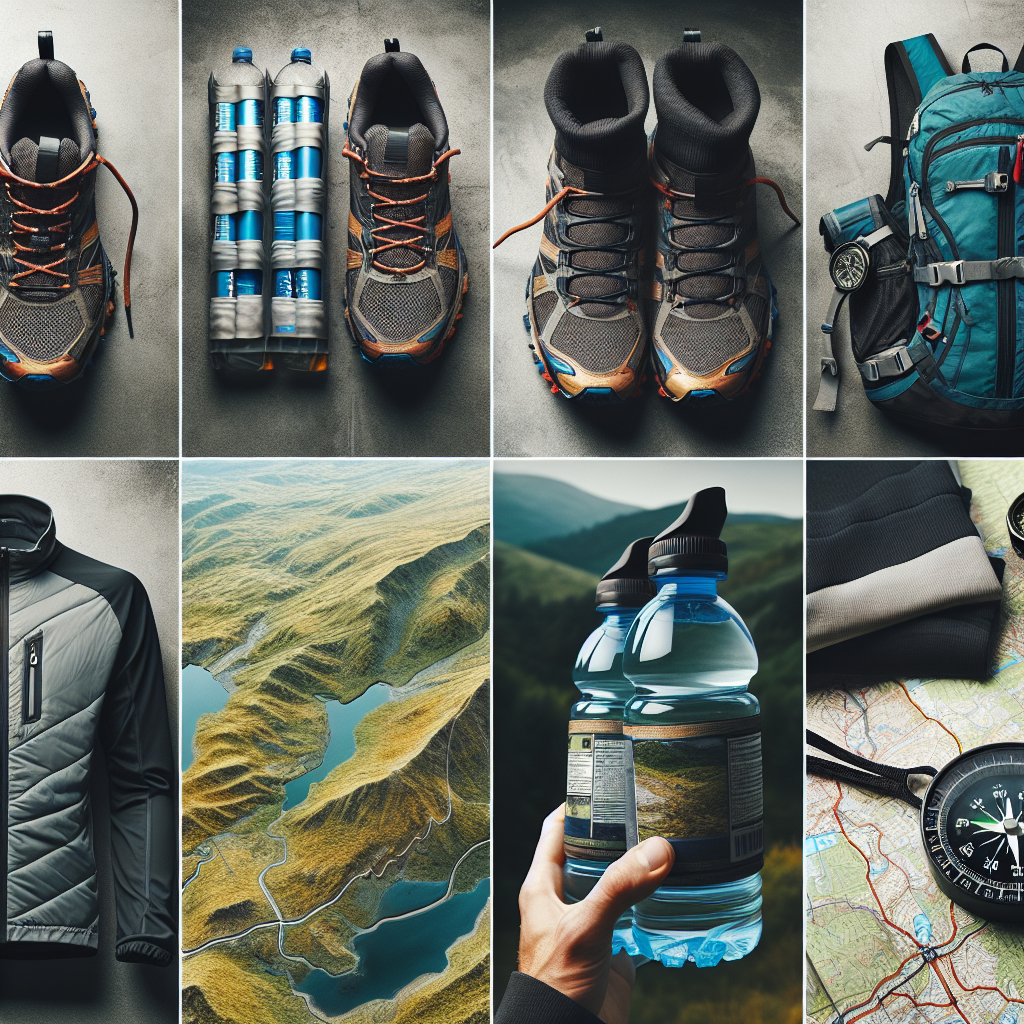
Embarking on a trail run means stepping into a world where the weather can shift as quickly as the scenery. It’s not just about enduring the elements; it’s about embracing them with the right apparel that keeps you comfortable, protected, and focused on the path ahead. Have you ever started a run under a clear blue sky only to find yourself caught in a sudden downpour an hour later? We’ve all been there, and it’s exactly why choosing adaptable and weather-appropriate gear is crucial.
Let’s break down the essentials:
Moisture-wicking Base Layer: Whether it’s a chilly morning or a warm afternoon, a good base layer helps regulate your body temperature by pulling sweat away from your skin. This keeps you dry and comfortable regardless of the intensity of your run.
Weather-resistant Outer Layer: Look for jackets and vests specifically designed for trail running. These should be lightweight yet capable of guarding against wind and rain. Features like adjustable hoods and waterproof zippers add extra protection when the weather turns harsh.
Smart Accessories: Don’t forget your extremities. A breathable, yet warm hat and gloves can be a game-changer in cooler conditions. In summer, a hat with a brim and sunglasses will protect you from the sun’s glare, which can be quite intense, especially in open areas.
Remember, the right clothing not only shields you from the elements but also boosts your confidence on the trail. It’s about finding that perfect balance between comfort and functionality. What’s your go-to piece of gear that never lets you down? Share it with us and help inspire fellow runners to gear up smartly!
Tech Tools for Trail Navigation
When it comes to navigating the great outdoors, having the right tech tools can make your trail running experience not only more enjoyable but also significantly safer. Have you ever found yourself lost on a trail, unsure of which direction to take? I’ve been there, and trust me, it’s not a fun place to be. With the advancements in technology, we now have a plethora of tools designed to keep us on track and help us explore with confidence.
One of my go-to devices for trail navigation is the Apple Watch Ultra. This smartwatch is more than just a fitness tracker; it’s a comprehensive navigation tool that can guide you through even the most challenging terrains. With its built-in GPS, you can easily track your route, monitor your pace, and even get turn-by-turn directions. Plus, it’s water-resistant and durable, making it perfect for all weather conditions. If you’re looking for a reliable companion on your trail runs, this watch is a game-changer.
Another essential tech tool is a dedicated trail running app. Apps like AllTrails and Gaia GPS are fantastic for planning your routes and ensuring you stay on the right path. These apps offer detailed maps, user reviews, and even offline capabilities, so you’re never left stranded without a signal. Here are a few features to look for in a good trail running app:
Offline maps: Essential for areas with poor cellular service.
Route planning: Create and follow custom routes tailored to your adventure.
User reviews: Get insights and tips from fellow trail runners.
Real-time tracking: Keep tabs on your progress and share your location with friends or family for added safety.
Investing in the right tech tools for trail navigation can transform your running experience from daunting to delightful. So, next time you’re gearing up for an adventure, make sure you’re equipped with the best navigation tools to guide you through every twist and turn. Happy trails!
Enjoying contact with nature while running
Trail running isn’t just about fitness; it’s a unique opportunity to connect with nature in a way that few other sports allow. Imagine the soft crunch of leaves under your feet, the fresh pine-scented air filling your lungs, and the occasional wildlife sighting that adds a thrill to your run. It’s about more than just the physical challenge; it’s about experiencing the wild as you weave through forests, scale hills, and cross streams. This direct contact with nature not only rejuvenates your spirit but also enhances your appreciation for the environment.
As you prepare to embrace the wilderness, remember the importance of being well-equipped. Your journey through rugged terrains will be much more enjoyable and safer with the right gear. Ensure you have a reliable pair of trail running shoes that offer good grip and support. Layer your clothing to adapt easily to changing weather conditions, a tip you’ll recall from our apparel guide. And don’t forget to pack a compact, durable navigation tool to help keep you on the right path. Each piece of gear plays a crucial role in harmonizing your adventure with the unpredictable elements of the outdoors.
Here are a few tips to enhance your connection with nature during your trail runs:
Take a moment to pause and look around every now and then, absorbing the scenery and listening to the sounds of the wild.
If you’re running in an area known for wildlife, research the animals you might encounter and learn how to safely share the space with them.
Consider the environmental impact of your run. Stick to marked trails to minimize your footprint and avoid disturbing the natural habitat.
Embracing these practices will not only deepen your trail running experience but also help preserve the beauty and integrity of the landscapes you love to explore.