barcelona

Best Cities to Run in Spain as an Expat (2026): Madrid, Barcelona, Valencia & More

Some links are affiliate links — I may earn a commission at no extra cost to you.


Spain Is an Underrated Running Destination

When most people picture a running trip to Europe, they think of Amsterdam’s flat canal paths or London’s Royal Parks. Spain rarely tops the list — and that is a genuine mistake.

Spain offers a combination that is hard to match: large, well-maintained urban parks, an outdoor-lifestyle culture where running in public is entirely normal, mild winters in the south, and some of the best urban marathons on the continent. Expats who settle here quickly discover they can run year-round with minimal disruption — they just have to learn the summer rules (more on that below).

The challenge for a new arrival is that the running infrastructure varies dramatically by city. Madrid’s setup looks nothing like Barcelona’s. Valencia is a different animal again. Seville and Málaga require a timing discipline during summer that most northern Europeans and Americans need to learn from scratch.

This guide covers the main expat hubs — Madrid, Barcelona, Valencia, and the southern cities — and gives you the factual lay of the land for each.

If you are still in the planning stages and thinking of actually moving here, our Portuguese-language sister site has a full Spain relocation guide at viajandosemrumo.com that covers visas, registration, and practical logistics.


Madrid

Altitude: approximately 650 m above sea level — the highest capital city in the European Union. First-timers often underestimate how noticeably this affects perceived effort, especially during the first two or three weeks after arriving from sea-level cities.

Summer heat: Madrid bakes from late June through September. July and August regularly reach 38–40 °C (100–104 °F) in the afternoon. Running during those months is perfectly viable, but it requires shifting your schedule firmly to early morning or after 9 p.m.

Parque del Retiro

The flagship park and the default reference point for every runner new to the city. The interior circuit around the main avenues comes to roughly 4.5 km; you can extend to about 6 km by weaving through secondary paths without repeating yourself. The terrain is essentially flat, the paths are wide, and the park is heavily used by runners on weekday mornings.

The main drawback is that Retiro is relatively compact — once settled, it tends to serve as a quick tempo venue rather than a long-run destination.

Casa de Campo

On the western edge of the central city, Casa de Campo is approximately five times the size of New York’s Central Park. The trail network covers around 17 km of marked paths through woodland, making it the natural choice for anyone who wants proper long-run distance without leaving Madrid’s urban boundaries. The terrain is hillier than Retiro, which makes it useful for runners building strength.

Madrid Río / Manzanares River

The riverfront linear park along the Manzanares is arguably the best infrastructure in the city for regular training. From the Matadero area to Casa de Campo, you can run a continuous 10 km with no traffic crossings, a completely flat surface, and water fountains placed at regular intervals. For tempo runs, progression runs, or simply stacking easy kilometres without worrying about logistics, Madrid Río is hard to beat.


Barcelona

Barcelona’s running scene looks very different from Madrid’s. The city is hemmed in by the sea to the east and the Collserola mountain ridge to the west, which produces two contrasting environments within a short distance of the city centre.

Carretera de les Aigües

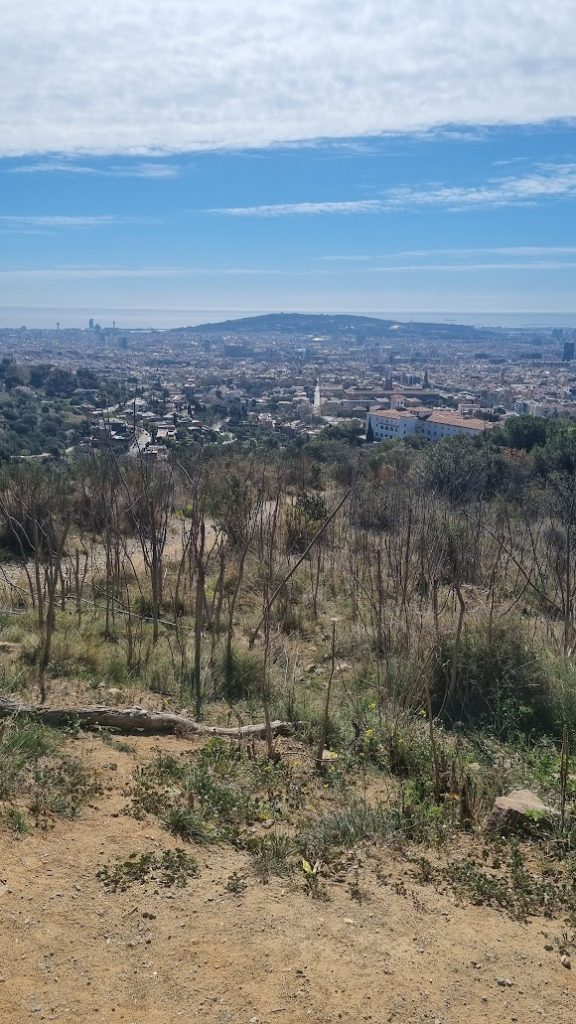
This is the trail that expat runners in Barcelona tend to become quietly evangelical about. Located in the Collserola Natural Park, the Carretera de les Aigües is a wide, mostly flat dirt road that runs along the flank of the mountain at a consistent elevation, spanning roughly 10 km end-to-end between Vallcarca and Esplugues de Llobregat.

What makes it remarkable for an off-road trail is how moderate it is. There are no technical climbs; the gradient barely fluctuates for long stretches. The surface is compacted dirt and gravel, dry and runnable for most of the year. And from the trail — level with the upper city — you have uninterrupted views down over the Barcelona skyline and, beyond it, the Mediterranean.

Access is straightforward: take the FGC S1 or S2 from Plaça Catalunya to Peu del Funicular, then the funicular up to the Carretera de les Aigües stop.

Montjuïc / Anella Olímpica

The hill of Montjuïc, south of the city centre, is where Barcelona held the 1992 Olympic athletics events. The Anella Olímpica complex sits near the summit, and the network of roads and paths around the hillside gives you genuine climb training without leaving the city. The road loop around the summit is roughly 5 km and fully car-accessible, so early-morning and late-evening runs work best.

Beachfront Promenade

The waterfront promenade from Barceloneta north through Vila Olímpica and Poblenou is a flat, wide seafront path with consistent sea breeze. It gets crowded at weekends, so weekday mornings work best. Running north toward Fòrum takes you well past the tourist-heavy sections.


Valencia

For flat, fast, uninterrupted running, Valencia is the most practical city in Spain.

Jardín del Turia

The Jardín del Turia is the defining feature of Valencia’s running scene. After severe flooding in 1957, the Turia river was diverted around the city; the old riverbed was converted into a continuous linear park that threads directly through the urban fabric, connecting the western edge of the city to the sea.

The park stretches roughly 9 km end-to-end (with ongoing extensions that will bring it close to 10 km), has an average width of around 160 metres, and is entirely car-free. The surface alternates between tarmac paths and packed-earth tracks depending on the section. It passes under dozens of historic bridges, alongside the City of Arts and Sciences complex, and through planted gardens, sports areas, and children’s zones.

For running logistics, it is close to ideal: no crossings, negligible elevation change, easily segmented into 2–3 km loops or run end-to-end for a 9 km straight. Valencia sits at sea level, which is immediately noticeable if you are coming from Madrid.

Valencia also has a strong argument as Spain’s premier running city at the competitive level — the Valencia Marathon Trinidad Alfonso, held every December, has become one of Europe’s fastest marathon courses and regularly draws elite performances.


Seville and Málaga: Running the South

The southern cities are viable year-round only if you treat summer heat as a strict constraint rather than an inconvenience.

Seville — Guadalquivir River

Seville’s best running infrastructure runs along the Guadalquivir river. The Paseo de Juan Carlos I loop, which follows the riverbank, covers approximately 9.8 km and stays cool in the early morning due to the water proximity. The western bank north of the Puente de la Señorita has more developed running paths.

Seville is the hottest major city in Spain. Afternoon temperatures in July frequently exceed 42 °C. This is not the right context for experimenting with training schedules — runs start before 8 a.m. or not at all during June through September.

Málaga — Seafront Promenades

Málaga compensates for its summer heat with what is arguably the most extensive seafront running infrastructure on the Spanish mainland: nearly 25 km of connected promenades running along the Costa del Sol from the port area through Playa la Malagueta and beyond. The paths are wide, palm-lined, and largely flat.

The Mediterranean climate here is milder than Seville’s — Málaga’s summers are hot but not extreme, and the sea breeze makes early-morning and evening runs comfortable for most of the year.


Running the Spanish Heat: Practical Guidance

Summer in Spain requires adjusting how you run, not just when.

Timing. The golden rule is before 9 a.m. or after 9 p.m. in July and August across the whole country. In Madrid and Seville, even 9 a.m. can be 28–30 °C. In Valencia and Barcelona, coastal breezes extend the comfortable window slightly, but midday and afternoon running should still be avoided from June through early September.

Hydration. Spain has excellent municipal tap water, and most major parks have drinking fountains at regular intervals. Carry water on any run longer than 45 minutes. Start hydrated — thirst is a lagging indicator in serious heat.

Sun protection. A lightweight cap, sweat-resistant SPF 50 sunscreen on exposed skin, and UV-protective sunglasses are standard kit for summer running here. This is not a recommendation to consider; in July, it is simply required.

Footwear. Hot-weather running favours breathable, well-ventilated shoes over maximally cushioned performance trainers. Look for mesh uppers with genuine airflow rather than tight knit. For trail days on the Carretera de les Aigües or Casa de Campo, a light trail shoe handles the mixed surfaces better than road shoes. See my current picks for breathable hot-weather running shoes.

Tracking effort. In heat, perceived effort diverges from pace — heart rate becomes a more reliable training guide than speed. A GPS watch with heart rate monitoring is particularly useful for the first Spanish summer, when you are calibrating your effort baseline against the conditions. My current picks for GPS running watches span a few price brackets.


Expat Run Clubs and Races

Finding a Club

The most practical entry point for expat runners in any Spanish city is Strava. Most active local clubs run public Strava groups, and showing up for a group run is the fastest way to learn the best routes. Search city-specific names (“Madrid Runners,” “Running Barcelona,” “Valencia Runners Expats”) and filter for clubs with recent activity.

Parkrun

Spain currently does not have official parkrun events in the standard parkrun network. However, several cities have informal free weekly 5K events organized through Meetup and similar platforms — notably an unofficial “Turia Park Run” in Valencia and community groups in Madrid — that follow a similar format. Check current local listings, as the situation may change.

The Big City Marathons

Spain’s three major city marathons each have distinct characters:

  • Valencia Marathon Trinidad Alfonso (December): Consistently one of Europe’s fastest courses, sea-level and flat. Has hosted multiple world record attempts. Registration fills quickly.
  • Madrid Marathon (April): Runs through the city centre with varied terrain. The altitude affects finish times — factor in roughly 1–2% slower pacing compared to sea-level performance.
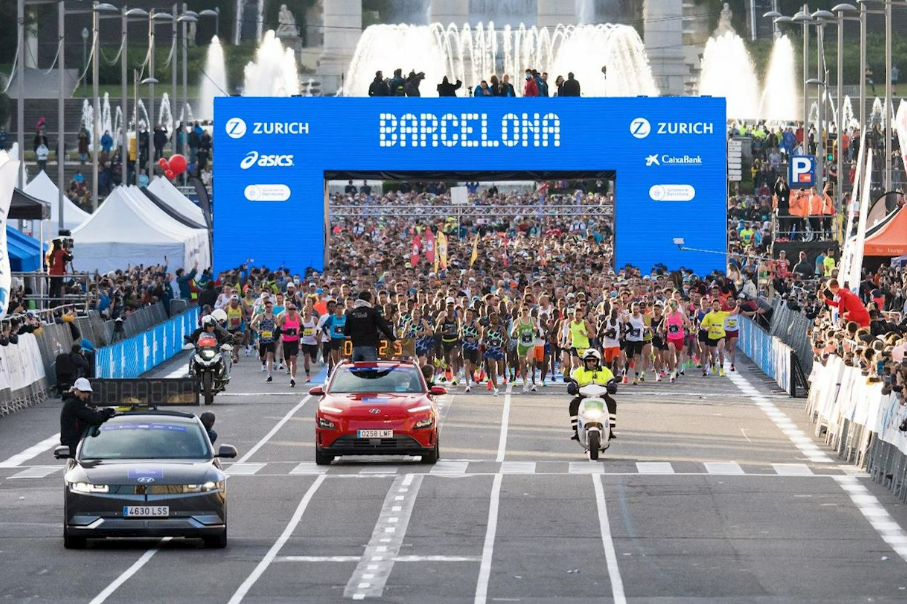
  • Barcelona Marathon (March): A coastal city course with moderate elevation. Good first-marathon option due to favorable spring temperatures.

All three have solid international runner communities and English-language resources for registration.


FAQ

Where is the best place to run in Spain?

For runners who want flat, car-free routes through the city, Valencia’s Jardín del Turia is probably the most functional setup. For variety — trail options, seafront, and city parks within a short distance of each other — Barcelona is hard to beat. Madrid offers the largest parks and the best long-run infrastructure for high-mileage training.

Is it too hot to run in Spain?

For most of the year, no. From October through May, conditions across Spain are very comfortable for running. June through September requires adjusting your schedule to early mornings (before 9 a.m.) and avoiding afternoon running, particularly in inland cities like Madrid and Seville. Coastal cities like Barcelona, Valencia, and Málaga are more forgiving in summer due to sea breezes.

Are there parkruns in Spain?

Spain does not currently have official parkrun locations within the global parkrun network. Some cities have informal volunteer-organized free weekly 5Ks (notably an unofficial Turia Park Run in Valencia). Check local Meetup groups and Strava clubs for current organized running events in your city.

Which Spanish city is best for flat running routes?

Valencia is the clear answer. The Jardín del Turia provides around 9 km of completely flat, car-free running through the city at sea level. The terrain and conditions make it the most straightforward setup for tempo work, long runs, or consistent daily training without route-planning complications.


Final Thoughts

Spain rewards expat runners who take the time to learn their city’s specific setup. The parks are large, well-maintained, and embedded in a culture that treats outdoor exercise as entirely normal. The summer heat is real but manageable with the right schedule.

Whether you are tracking easy kilometres along the Turia, grinding up Montjuïc before the city wakes up, or picking a spring marathon as a first race abroad, the infrastructure is there. You just have to show up early enough.

Related running in Spain

Best Cities to Run in Spain as an Expat (2026): Madrid, Barcelona, Valencia & More Read More »

Best places to run in Barcelona

Barcelona is a city with plenty of beautiful parks, beaches, and promenades that are perfect for runners. With a variety of scenic routes that cater to different levels of intensity and experience, it’s a city that invites both locals and tourists to lace up their running shoes. In this post, we’ll explore some of the best places to run in Barcelona, each offering unique views and experiences.

Some of the best places to run in Barcelona include:

Park Guell

Nestled in the Gràcia district, Park Güell is one of Antoni Gaudí’s most colorful and unique creations, making it a fantastic backdrop for a run. Although running inside the monumental area requires a ticket, the surrounding park areas are free to access and provide plenty of paths that wind through lush gardens and architectural wonders. The park’s elevation offers not only challenging routes but also spectacular views over the city, making every sweat-dropping run worth the effort.

While the inclines can be quite steep, the payoff is the panoramic vistas and the surreal surroundings that embody Gaudí’s artistic vision. Early mornings are ideal for beating the crowds and experiencing a quieter, more serene environment. Running in Park Güell is more than just exercise; it’s a cultural immersion, providing a glimpse into the artistic heart of Barcelona.

Barceloneta Beach

For those who prefer the sound of waves and the sight of the open sea while running, Barceloneta Beach is the perfect spot. This popular coastline stretches for several kilometers, offering a flat and straightforward route that is ideal for all running levels. The soft morning light or the golden hues of sunset provide a magical quality to your runs, adding an element of tranquility to your exercise routine.

running in barceloneta

Running along Barceloneta Beach not only offers fresh ocean air but also the vibrant atmosphere of Barcelona’s most famous beach. It’s common to see other joggers, cyclists, and skaters, creating a lively community feel. Plus, the numerous beach bars and restaurants along the promenade provide perfect spots to refuel and relax after a good run.

Ciutadella Park

Ciutadella Park, the green heart of Barcelona, is a favorite among runners due to its wide paths, beautiful scenery, and tranquil vibe. The park features a stunning fountain, several sculptures, and a picturesque lake, making it not only a place for physical activity but also for relaxation and inspiration. Its flat and well-maintained paths are suitable for both beginners and experienced runners looking for a more relaxed run.

park ciutadella in barcelona

The park is bustling with activity, offering an energizing environment filled with other fitness enthusiasts. Whether you’re weaving through the tree-lined paths or circling the monumental fountain, Ciutadella Park provides a verdant escape from the urban hustle, making every run a refreshing experience.

Bunkers del Carmel

For the adventurous runner looking for a challenge and unmatched city views, Bunkers del Carmel is an unbeatable choice. Located at the top of Turó de la Rovira, this historical site offers a 360-degree panoramic view of the entire city. The run up to the bunkers is steep and demanding but incredibly rewarding. The trails leading up to this viewpoint pass through quieter, less trodden paths, providing a more rugged and natural running experience.

Running to Bunkers del Carmel is best early in the morning or later in the evening when the sun is less intense, and the crowds are thinner. The effort to reach the top is rewarded with not only breathtaking views but also a moment of peace above the bustling city, making it a perfect spot for reflection.

Tibidabo for trailrunners

trailrunner in tibidabo

For trail runners seeking a blend of challenge and spectacular city views, Tibidabo is the ultimate destination in Barcelona. As the highest peak in the Serra de Collserola, Tibidabo offers a variety of trails that range from moderate to difficult, navigating through lush forested areas and rugged terrain. The reward for this uphill challenge is the panoramic view of Barcelona and the Mediterranean Sea from the top, beside the iconic Sagrat Cor church and the amusement park.

Running trails on Tibidabo provides a perfect escape into nature, just a stone’s throw from the urban landscape. The trails are well-marked and frequented by both runners and hikers, creating a friendly and supportive atmosphere. Whether you’re looking for a vigorous workout or a serene jog, the paths around Tibidabo cater to every runner’s needs, making it a prized location for those looking to combine physical activity with breathtaking natural scenery.

Montjuic Castle

Montjuic, a broad shallow hill with a relatively flat top overlooking the harbor, offers more than just a single running route. The area around Montjuic Castle is laced with pathways that serve runners looking for variety in their workout. From softer forest trails to paved paths near the castle, the routes offer diverse scenery including lush gardens, historic sites, and spectacular views of the city and sea.

The incline towards Montjuic Castle provides a good workout, and the numerous attractions along the way, such as the Magic Fountain and various gardens, make the journey as enjoyable as the destination. Whether you’re looking to extend your run along the many trails or just want a quick loop around the castle, Montjuic offers both challenge and beauty, making it a top choice for runners in Barcelona.

Each of these spots provides a unique running experience that highlights the natural beauty and cultural richness of Barcelona, ensuring that your run is as rewarding as it is revitalizing.

Related running in Spain

Best places to run in Barcelona Read More »

Week 4: Barcelona Marathon Training

Last week marked the end of my 4-week microcycle training for the Barcelona Marathon on March 19th. It was a challenging but rewarding month, and I’m feeling good about my preparation for the upcoming race. This past week was particularly important because I had just run the half marathon in Cyprus the previous weekend, so I had to take it a little easier to allow for proper recovery.

Monday:

  • Rest or cross-train (yoga, cycling, etc.)

Tuesday:

  • Rest Day

Wednesday:

Thursday:

Friday:

  • Rest or cross-train (yoga, cycling, etc.)

Saturday:

  • Rest day

Sunday (race day):

  • Marathon!

race line of Barcelona Marathon
I’m ready for the race

Throughout the week, I made sure to focus on getting enough rest, staying hydrated, and fueling my body with nutritious foods. I also spent some time visualizing myself running the marathon and feeling strong and confident.

As I prepare for the Barcelona Marathon, I have a few tips and reminders that I’d like to share with fellow runners. First and foremost, make sure to stick to your training plan and don’t try to do too much too soon. It’s also important to pay attention to your body and adjust your training if needed.

Race day can be stressful, so it’s important to stay calm and focused. I like to break the race down into smaller parts and focus on each segment at a time. Remember to pace yourself and not to start too fast. Hydration and nutrition are also critical during the race, so make sure to drink plenty of fluids and fuel your body with energy gels or other snacks.

Finally, remember to enjoy the experience! Running a marathon is a significant accomplishment, and it’s important to take in the sights and sounds of the race and appreciate the hard work that went into getting there. I’m looking forward to the Barcelona Marathon and can’t wait to see what the day brings!

Related running in Spain

Week 4: Barcelona Marathon Training Read More »

Ciutadella Park: Running in Barcelona

If you’re a runner looking for a place to exercise in Barcelona, Ciutadella Park should be at the top of your list. This beautiful green space is located in the heart of the city and offers runners a peaceful, picturesque environment for their workout. The park is filled with lush greenery, tranquil ponds, and scenic paths that make it an ideal place for runners of all skill levels.

One of the standout features of Ciutadella Park is its size. With over 70 hectares of land, there’s plenty of space for runners to explore and find their perfect route. You can take a leisurely jog along the shaded paths, or challenge yourself with a more intense workout on the hilly terrain. Whatever your running style, you’re sure to find a path that fits your needs.

If you’re looking for a place to run during the winter months and stop to run on a treadmill, Ciutadella Park offers a great alternative to running outdoors in the colder weather. With its sheltered paths, scenic views, and abundance of natural beauty, the park provides an ideal escape from the harsh elements of winter. So, whether you’re a seasoned runner or just starting out, Ciutadella Park is the perfect place to get your run in, even during the winter months.

The park is also well-maintained, making it a safe and enjoyable place to run. You’ll find plenty of benches and water fountains along the way, so you can take a break or hydrate as needed. And if you’re looking for a more structured workout, there are several fitness stations located throughout the park where you can do bodyweight exercises and other strength-training moves.

The lap inside the Ciutadella Park measures 1.31km, making it an ideal destination for runners looking to get in a solid workout. While the park can be busy on weekends, the well-maintained paths and lush greenery provide a breathtaking and serene setting for runners of all levels, from seasoned veterans to those just starting out. Whether you’re looking to push your limits or simply enjoy a leisurely run, Ciutadella Park has everything you need for a successful workout.

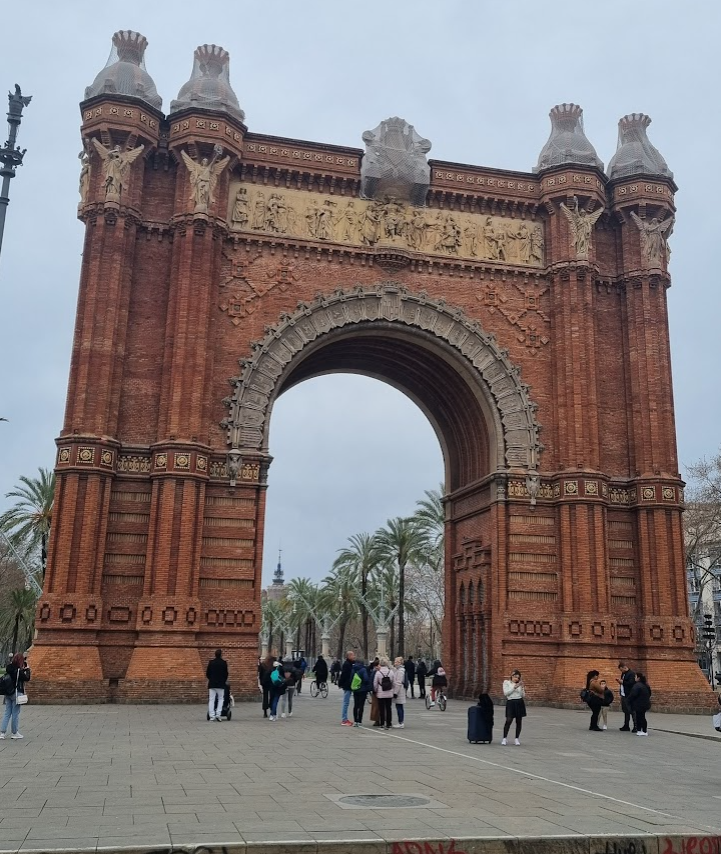
Arc de Triomf

Picture of the iconic red brick Arc de Triomf monument in Barcelona, Spain, with its grand arches and intricate carvings on display
Arc de Triomf

Ciutadella Park is also conveniently located near one of Barcelona’s most iconic landmarks, the Arc de Triomf. This makes it a great option for runners who want to take a break from their workout and explore the city. Whether you want to stop and admire the stunning architecture of the Arc de Triomf, or you want to continue exploring other parts of the city, the park’s central location makes it an ideal starting point for your adventures in Barcelona.

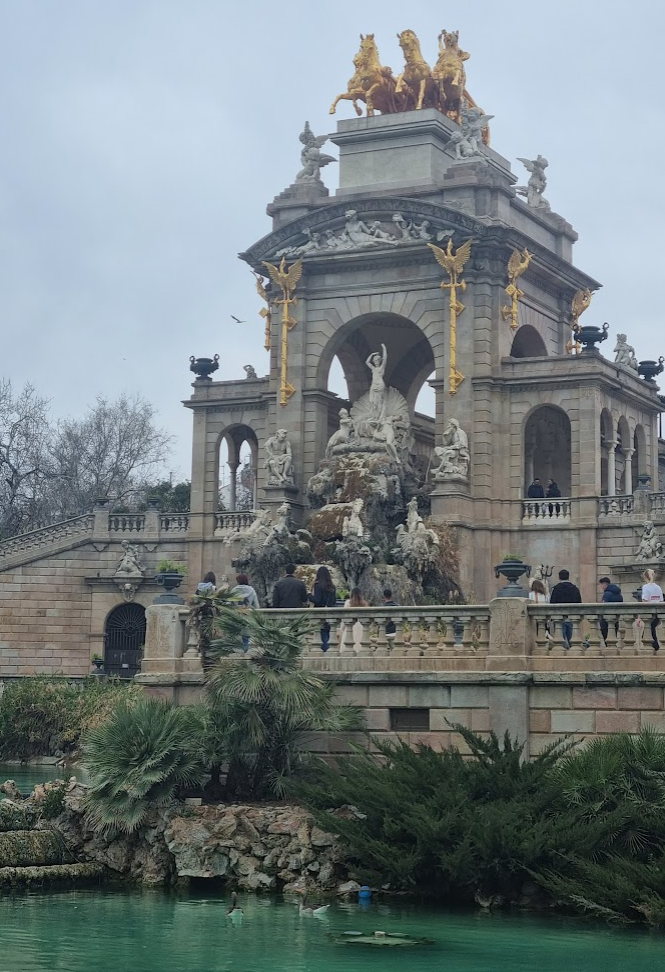
Cascada del Parque de la Ciudadela

The Cascada del Parque de la Ciudadela, also known as the Park’s waterfall, is a popular attraction within Ciutadella Park. This stunning waterfall is surrounded by lush greenery and provides a peaceful escape from the bustling city. Visitors can relax and enjoy the tranquil sound of the waterfall as they take in the natural beauty of the park. The cascading water adds an extra element of serenity to the already peaceful environment, making it a must-visit spot for anyone visiting the park.

Picture of the cascading waterfalls in Ciutadella Park, surrounded by lush greenery and flowers

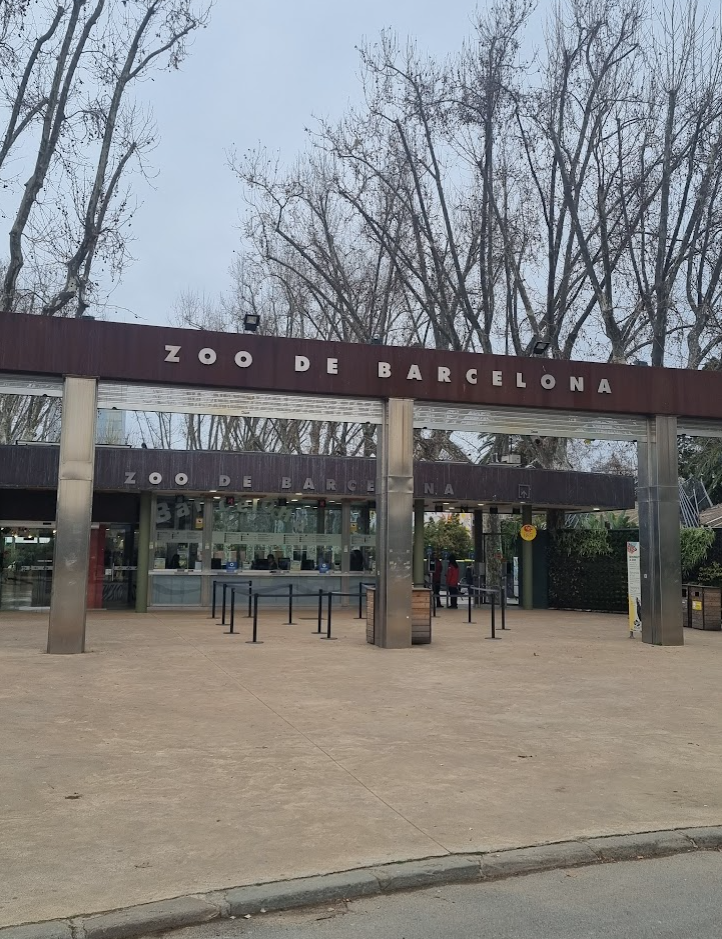
The Barcelona Zoo

Located within Ciutadella Park, is a popular destination for families and animal lovers. Visitors can see a wide range of species from all over the world, including elephants, lions, monkeys, and penguins. The Zoo, with its stunning environment, diverse animal collection, and focus on conservation, is a must-visit for nature and wildlife enthusiasts. It also works to protect endangered species and educate visitors about the importance of preserving wildlife. Additionally, the Zoo offers interactive exhibits, animal shows, and educational programs, making it a fun and educational experience for all ages. Whether you’re a local resident or just visiting the city, the Barcelona Zoo is a great way to spend a day exploring the beauty of nature and learning about the world’s amazing wildlife.

Entrance to the Barcelona Zoo at Ciutadella Park, with a sign displaying the zoo's name and logo, surrounded by lush green trees and bushes.
The Zoo of Barcelona

Attractions and Amenities in Ciutadella Park

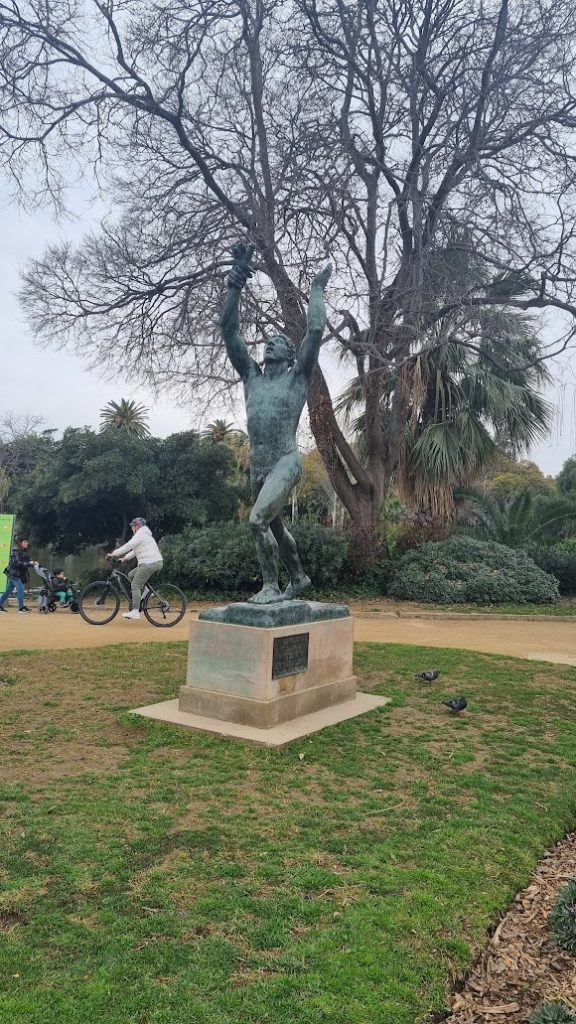
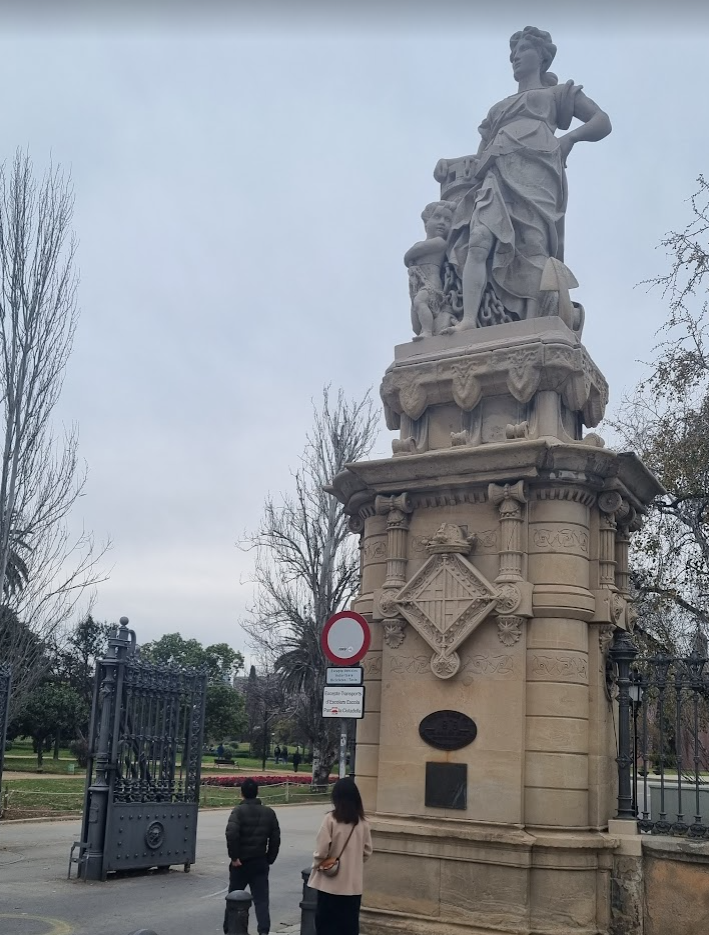
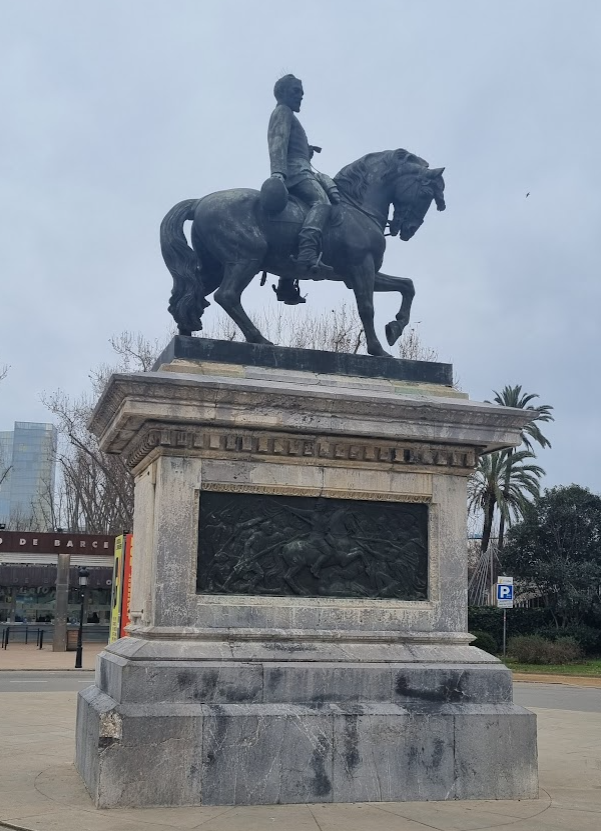
The statue dedicated to Jaume Garriga I Miquel. This statue is a beautiful piece of art that adds to the ciutadella park already stunning scenery
Statue dedicated to Jaume Garriga I Miquel on Ciutadela Park

Ciutadella Park is a historic public park located in the heart of Barcelona, Spain. The park boasts a variety of attractions and activities for visitors to enjoy, including a large lake, several fountains, and a boating area where visitors can rent small boats. There is also a large grassy area perfect for picnics, sunbathing, and other outdoor activities.

The park also features several museums and galleries, including the Catalan Parliament, the Zoological Museum, and the Museum of Natural Sciences. There is also a bandstand that hosts concerts and performances throughout the year, as well as a playground for children. The park also has several restaurants and cafes, making it an ideal place to relax and have a bite to eat after a run. Additionally, a large fountain surrounded by lush greenery and beautiful flower gardens stands at the center of the park. Overall, Ciutadella Park offers runners and visitors a peaceful escape from the bustling city, and a chance to enjoy the beauty and history of Barcelona.

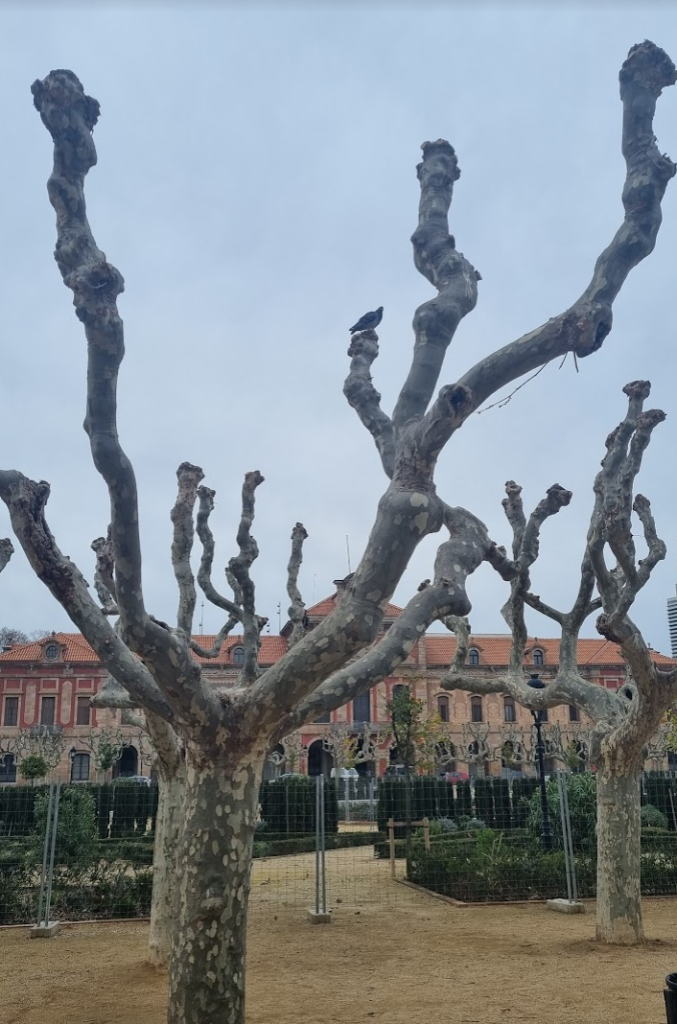
Picture of lush green trees in Ciutadella Park, Barcelona, providing shade and a peaceful environment for visitors

Another advantage of running in Ciutadella Park is its location. It’s situated in the heart of the city, making it easy to get to from most parts of Barcelona. Whether you’re a local resident or just visiting, you can easily make your way to the park for a morning or evening run.

Ciutadella Park: Running in Barcelona Read More »

Scroll to Top