gear

Looking for the latest and greatest running gear to help you perform at your best? Check out the “Gear” tag session on RunningWithJoe.com. This section of the blog is dedicated to exploring the newest and most innovative gear and technology for runners, from shoes and apparel to GPS watches and other accessories. Our team of experienced runners and gear experts provide detailed reviews and recommendations to help you find the perfect gear to suit your needs and achieve your goals. Whether you’re a beginner or an experienced athlete, you’ll find valuable insights and guidance in the “Gear” tag session to help you take your running to the next level.

Best GPS Running Watches 2026: Garmin vs COROS Compared

Pick almost any starting line in 2026 and you will see the same two wrists: a Garmin on the serious-training crowd and a COROS or an Apple Watch on the rest. For a couple of years the running-watch question was basically Garmin or Apple. It is not anymore. COROS has quietly become the only brand that beats Garmin on the things runners used to switch for — battery life, weight, and price — while matching them on GPS accuracy. So if you are shopping the best GPS running watches 2026 has on offer, this is the wider field, and the one I send people to when they want every option on the table.

If you already know your decision is Garmin-vs-Apple, I did that head-to-head in detail in Garmin vs Apple Watch: which is best for running. This guide adds COROS, widens the Garmin lineup, and tells you exactly which model fits which kind of runner. The short version up front: the Garmin Forerunner 265 is the best overall running watch, the COROS Pace 3 is the best value watch with the best battery life, and the Apple Watch Ultra 2 is still the best smartwatch that also happens to run.

Disclosure: Some links are affiliate links. As a partner of the brands mentioned, I may earn a commission from qualifying purchases at no extra cost to you. It never changes what I recommend — I only link watches I would actually wear.

The 30-second picks

If you have no patience for 2,500 words, here is the table. Everything below it is the reasoning.

Watch Price Battery (smartwatch) Battery (GPS) Best for
Garmin Forerunner 265 ~$450 13 days 20 h Best overall
Garmin Forerunner 965 ~$600 23 days 31 h Maps + multiband without the Fenix price
Garmin Fenix 8 (47mm AMOLED) ~$1,000 16 days 29 h Premium build, ultras, diving
Garmin Forerunner 165 ~$250 11 days 19 h Best value Garmin, AMOLED entry
COROS Pace 3 ~$219 24 days 30 h Best value overall, lightest, huge battery
COROS Apex 2 Pro ~$399 30 days 75 h Long battery, sapphire, titanium
Apple Watch Ultra 2 ~$799 36 h (72 h low-power) up to 72 h low-power Best smartwatch for running

Prices are 2026 USD MSRP and move with sales. Battery numbers are the manufacturer figures for the relevant size and mode — real-world GPS battery runs about 10–15% lower, which I factor into the recommendations.

Best overall: Garmin Forerunner 265

If I had to hand one watch to one runner and never think about it again, it would be the Garmin Forerunner 265. Around $450, an AMOLED screen bright enough to read in Barcelona midday sun, 13 days in smartwatch mode and 20 hours of continuous GPS — enough for a marathon with a wide margin, and enough for most ultramarathon training weeks on a single charge. It has multiband GPS (Garmin calls it SatIQ, which auto-switches to multiband only when you need it to save battery), so tree cover and downtown canyons between here and the Helsinki start line do not bend your track.

The reason it wins overall is the metrics. Training Status, Training Load Focus, Recovery Time, HRV Status, Body Battery, Race Predictor — for a structured marathon block, it is hard to beat. You wake up, glance at Body Battery and Recovery Time, and the watch tells you whether today is a hard day or an easy day. That is not a gimmick; over a 16-week build it is the difference between arriving at the start line fit or arriving overcooked. I covered exactly this in the Garmin-vs-Apple piece, and the conclusion has not changed: if running is the point of the watch, the 265 is the sweet spot.

The only real argument against it is that it lacks on-board maps. If you need turn-by-turn navigation on the watch, jump to the Forerunner 965 below.

Best premium: Garmin Forerunner 965 (and Fenix 8 for ultras)

The Forerunner 965 is what happens when you take the 265 and add the two things serious runners eventually want: full topographic maps with turn-by-turn navigation, and a bigger 23-day / 31-hour battery. At ~$600 it is the watch I would buy if I ran a lot of unfamiliar trails, raced abroad often, or just did not want to plan a route on my phone ever again. The map alone is worth the premium if you regularly find yourself in a new city wondering which dirt track actually goes somewhere.

The Fenix 8 is the other premium option, at ~$1,000, and it is a different proposition. It is built like a tank — titanium, sapphire, dive-rated to 40 m, with a mic and speaker for calls and voice notes. Battery on the 47mm AMOLED is 16 days smartwatch / 29 hours GPS (the MIP/solar Fenix 8 variants stretch much further if you do not want AMOLED). You buy the Fenix 8 if you want one watch for running, hiking, diving, and a decade of abuse — not because you need it to run a faster 10K. For most runners the 965 is the smarter spend; the Fenix is for the person who genuinely uses the rugged features.

Best value Garmin: Forerunner 165

The Forerunner 165 is the entry point that is still a real running watch, not a fitness band with delusions. At ~$250 you get the same bright AMOLED screen as the 265, 11 days smartwatch / 19 hours GPS, wrist heart rate, and Garmin’s core training metrics. It is the watch I would put on a friend who is three months into running and starting to care about pace and heart rate.

The cut is multiband GPS — the 165 does not have it. On open roads you will not notice. On dense urban trails or heavy tree cover you will see slightly wobbly lines compared to the 265. It also skips the deeper recovery metrics (no Training Load Focus, no Body Battery at the full resolution of the 265). If you are coming from nothing, none of that matters — and when you outgrow it in a year, you will know exactly which features to upgrade for. That is the cleanest upgrade path in the lineup, and it is why this is the best value Garmin, full stop.

If you are even newer than that and not sure you will stick with running, the full best running watches for beginners guide breaks down what a first watch actually needs before you spend anything.

Best COROS: Pace 3 and Apex 2 Pro

This is where the list gets interesting. The COROS Pace 3 costs ~$219, weighs 30 grams, runs 24 days in smartwatch mode and 30 hours of GPS, and has multiband dual-frequency GPS. On paper that undercuts the Garmin Forerunner 165 while beating the Forerunner 265 on battery and weight. It is genuinely the best value GPS running watch you can buy in 2026, and it is not close.

What you give up is the depth of Garmin’s metrics. COROS’s EvoLab engine gives you Training Load, Baseline, HRV, and a Recovery Load score — it is good, and cleaner to read than Garmin Connect, but it is shallower than Garmin’s Training Status plus Load Focus plus Body Battery stack. The app is leaner, the ecosystem is smaller, and there are fewer third-party integrations. None of that matters for 90% of runners. If you want a watch that disappears on your wrist, runs for three weeks, tracks every run accurately, and costs less than a nice pair of race shoes, the Pace 3 is the one.

The COROS Apex 2 Pro is the step up, at ~$399. You get a titanium bezel, sapphire glass, 30 days smartwatch and a class-leading 75 hours of GPS (150 hours in Smart GPS mode), full offline maps with turn-by-turn, and multiband. For an ultrarunner who wants Garmin-grade build and battery without Garmin’s price, the Apex 2 Pro is the most compelling COROS in the lineup. I would put it head-to-head with the Forerunner 965 any day of the week — and on battery alone, it wins.

Best smartwatch: Apple Watch Ultra 2 (and Series 10)

If you carry an iPhone and want one device for everything — running, calls, payments, ECG, sleep, the lot — the Apple Watch Ultra 2 is the best smartwatch that also runs. At ~$799 you get dual-frequency L1+L5 GPS (so it tracks as accurately as any multiband Garmin or COROS), 36 hours of normal battery or 72 hours in low-power mode, the brightest Apple screen yet, and a titanium case. It is the only Apple Watch I would recommend to someone training for a marathon or longer.

The standard Apple Watch Series 10 at ~$399 is the pick for the runner who does 3–5 sessions a week and wants the smartwatch life without the Ultra price. The catch: ~18 hours battery and no multiband GPS, so you charge daily and the GPS line is very good rather than pinpoint. If those two things do not bother you, it is a superb running watch that also happens to be the best smartwatch on the market.

The full argument — training depth, ecosystem, the daily-charging question — is in Garmin vs Apple Watch: which is best for running. The one-line summary: buy Apple if you want one device for your whole life, buy Garmin or COROS if running is the priority.

Garmin vs COROS: head-to-head

This is the comparison the Garmin-vs-Apple guide could not cover. The two running-first brands, on the metrics that actually decide it.

What matters to runners Garmin (Forerunner / Fenix) COROS (Pace / Apex)
GPS accuracy Excellent — multiband (SatIQ) across 265/965/Fenix Excellent — Pace 3 and Apex 2 Pro both multiband
Training metrics Deeper: Training Status, Load Focus, Body Battery, HRV Status, Race Predictor Strong: EvoLab Training Load, Baseline, HRV, Recovery Load — simpler
Battery (GPS) 20 h (265) / 31 h (965) / 29 h (Fenix 8 AMOLED) 30 h (Pace 3) / 75 h (Apex 2 Pro) — class-leading
Battery (smartwatch) 11–23 days (Forerunner); 16–28 days (Fenix) 24–30 days — best in class
Weight Forerunner ~39–53 g; Fenix heavier Pace 3 30 g — lightest in the sport
Ecosystem Garmin Connect — huge, mature, third-party rich COROS app + EvoLab — lean, clean, fewer integrations
Smart features Functional: notifications, Garmin Pay, music Functional but lighter
Price range $250–$1,000 $219–$399 — undercuts Garmin at every tier

The honest read: Garmin wins on depth, COROS wins on battery, weight, and price. If you want the richest training analytics and the biggest ecosystem, Garmin. If you want a watch that disappears on your wrist, runs for weeks, tracks every run accurately, and costs less, COROS. There is no wrong answer — these are the two best running-watch companies in the world right now, and choosing between them is a far better problem than the one runners had five years ago.

What runner type are you?

Stop reading spec sheets. Decide what kind of runner you are, and the watch picks itself.

You are… Buy this
A beginner buying your first GPS watch COROS Pace 3 or Garmin Forerunner 165
Training for a marathon with a structured block Garmin Forerunner 265
An ultrarunner or multi-day adventurer COROS Apex 2 Pro or Garmin Fenix 8 (965 if you want maps without the Fenix price)
An iPhone user who wants one do-everything device Apple Watch Ultra 2 (or Series 10 on a budget)
An Android user Garmin or COROS — Apple Watch will not pair
Maximum battery on the smallest budget COROS Pace 3
Max cushion on training insights and recovery data Garmin Forerunner 265 (or 965)

If you are undecided between two, buy the cheaper one. The difference between a great watch and the next great watch is much smaller than the difference between running consistently and not — and no watch fixes the second one.

Features that actually matter in 2026

Most spec sheets are noise. Four things move the needle.

Multiband (dual-frequency) GPS

This is the single biggest GPS improvement in years. Multiband pulls two satellite frequencies instead of one, which is what actually fixes the classic problems — tree cover, tall buildings, bridges. Every premium pick here has it: Garmin 265/965/Fenix, COROS Pace 3/Apex 2 Pro, Apple Watch Ultra 2. The watches that do not (Forerunner 165, Apple Watch Series 10) are still accurate on open roads but wobble in dense cover. If you run trails or cities, prioritise it.

Training load and recovery metrics

This is Garmin’s home turf, and COROS is closer than people think. The point of these metrics is not data for its own sake — it is a coach on your wrist telling you when to push and when to back off. Over a marathon block that guidance is worth more than any single workout. Garmin’s Training Status, Load Focus, Recovery Time, and Body Battery are the deepest stack; COROS’s EvoLab is cleaner and easier to read but slightly shallower; Apple’s Training Load and Vitals (watchOS 11) are useful but the least deep of the three.

Offline maps and navigation

Full topo maps with turn-by-turn are a real advantage if you run new routes, race in unfamiliar cities, or go off-road. The Garmin 965, Fenix 8, and COROS Apex 2 Pro all have it; the Forerunner 265 and Pace 3 do not. If you always run your local routes, save the money. If you scout for races or travel to run, pay for it.

Battery life

Battery is the feature no one cares about until they are 30 km into a long run and the watch dies. For daily training, anything works. For an ultra, a multi-day trek, or a heavy week where you sleep-track every night, the order is clear: COROS Apex 2 Pro (75 h) > COROS Pace 3 (30 h) > Garmin Forerunner 965 (31 h) > Garmin Forerunner 265 (20 h), with Apple Watch bringing up the rear. Indoor runners see a different tradeoff — head to the best treadmills for runners 2026 guide for how a watch fits a treadmill setup, where GPS battery is irrelevant and the smartwatch side matters more.

Frequently asked questions

Garmin or COROS for a marathon?

Either works, but for most runners the Garmin Forerunner 265 is the better marathon watch because of its deeper training and recovery metrics (Training Status, Load Focus, Body Battery, Race Predictor), which genuinely help manage a 16-week build. If you want longer battery and a lower price and do not mind slightly simpler analytics, the COROS Pace 3 is completely up to the job — 30 hours of GPS is a 6-hour marathon with plenty of room to spare.

Do I need multiband GPS in 2026?

If you run only open roads, no — any current watch tracks accurately. If you run trails, dense city canyons, or under heavy tree cover, yes — multiband (dual-frequency) GPS is the feature that actually fixes wobbly tracks, and it is worth paying for. The Garmin 265/965/Fenix, COROS Pace 3/Apex 2 Pro, and Apple Watch Ultra 2 all have it.

Which of these watches have offline maps?

The Garmin Forerunner 965, Garmin Fenix 8, and COROS Apex 2 Pro have full topographic maps with turn-by-turn navigation. The Forerunner 265, Forerunner 165, COROS Pace 3, and Apple Watches do not — they need a phone for routing.

Can I trade in my old running watch?

Garmin and Apple both run trade-in programs that knock roughly 10–20% off a new watch depending on model and condition. COROS does not run an official trade-in but frequently offers upgrade credits if you message support directly. Either way, do not expect much for a 4-year-old watch — the value is in the recycling, not the cash.

How fast do these watches charge?

Fast enough that battery is rarely a real problem with a habit. The COROS Pace 3 tops up from empty to about a week of battery in roughly 30 minutes; the Garmin Forerunner 265 reaches a full charge in around an hour; the Apple Watch Ultra 2 fast-charges to 80% in about an hour. Build a charging habit — shower, post-run, whatever — and the battery numbers matter far less than the spec sheets suggest.

The bottom line

The boring version is the one that works, and in 2026 the boring version is this: buy the Garmin Forerunner 265 if you want the best overall running watch, buy the COROS Pace 3 if you want the best value and the best battery, and buy the Apple Watch Ultra 2 if you want one device for your entire life. Any of the three will track every run accurately for years and outlast the pair of shoes you run in.

If you are still splitting hairs, pair the decision with the best running shoes 2026 guide — the watch tracks the work, the shoes do the work, and together they are 90% of what makes a runner consistent. The other 10% is showing up.

Ready to buy? Garmin direct · COROS direct · Apple Watch on Amazon.


Best GPS Running Watches 2026: Garmin vs COROS Compared Read More »

Best Running Shoes 2026: Tested Picks by Brand & Runner Type

There is no single best running shoe in 2026. There’s only the best shoe for you — your gait, your weight, the miles you actually run, and the kind of day you’re having. Anyone who tells you one model wins everything is selling you something. What I can tell you, after rotating through these brands for years and retiring pair after pair at the 500-mile mark, is which shoes from Brooks, Hoka, On, Saucony, Nike, and Asics genuinely earn their place this year, and which runner each one is built for.

The best running shoes 2026 has on offer aren’t louder or pricier than last year’s — they’re just better sorted. The max-cushion arms race has settled, carbon plates have trickled down, and the old rigid “stability” dogma has quietly been replaced by geometry and foam that guide your foot instead of fighting it. If you want the short version, skip to the table. If you want to actually get this right, read on.

Disclosure: Some links are affiliate links. As a partner of the brands mentioned, I may earn a commission from qualifying purchases at no extra cost to you. I only recommend shoes I’d actually lace up myself.

The 30-Second Picks

If you’re standing in a shop and need a steer in the next minute, here’s the field at a glance. Stack heights are approximate — brands nudge them by half a millimetre every season — but the character of each shoe is accurate.

Brand & Model Best For Stack (heel/forefoot) Drop Price (US) Runner Type
Brooks Adrenaline GTS 24 Best overall / everyday stability ~36 / 24 mm 12 mm $150 Most runners, overpronators, beginners
Hoka Clifton 10 Best max-cushion daily ~33 / 28 mm 5 mm $165 Easy miles, long runs, joint-sore runners
On Cloudmonster Best for energy return ~39 / 33 mm 6 mm $180 Fun easy days, On-curious, mild overpronation
Saucony Ride 18 Best versatile neutral daily ~35 / 27 mm 8 mm $140 All-round neutral, tempo-capable
Nike Pegasus 42 Best workhorse daily (race shoe below) ~37 / 27 mm 10 mm $140 The do-everything neutral default
Asics Gel-Cumulus 27 Best value neutral daily ~36 / 28 mm 8 mm $140 Budget-conscious neutral, high mileage
Hoka Arahi 7 Best stability alt (light, plush) ~33 / 28 mm 5 mm $150 Light overpronators who want cushion
Nike Vaporfly 3 Best race day / carbon plate ~40 mm (forefoot) 8 mm $260 Race day, 5K to marathon PBs

Treat the prices as ballpark — they shift by colourway, season, and whether last year’s colour is on clearance. Now the detail, in the order most runners should be shopping.

How I Chose These Shoes

I’m not a biomechanist and I don’t have a gait lab. What I have is mileage. I’ve run thousands of miles across these six brands, retired more pairs than I can count at 500 miles, and made most of the expensive mistakes so you don’t have to. I rolled my left ankle inward on every single run for about three years before anyone told me the word “overpronation” — so when I tell you the Adrenaline fixed my knee, that’s not a spec sheet talking, that’s lived experience I wrote up in full in my guide to the best running shoes for overpronation.

The selection logic is simple. A shoe earns a spot here only if I’ve either run in it personally or watched it hold up across runners I trust. I’m not interested in spec-sheet horses — I want shoes that survive real winters, real long runs, and the unglamorous Tuesday when you don’t feel like lacing up. The On Cloudmonster I put 500 miles on is in this list because I watched its cushioning behave predictably across a whole training block, not because the marketing was loud.

One bias up front: I lean toward shoes that are boring and reliable over exciting and fragile. The best shoe is the one that keeps you consistent, and consistency doesn’t come from a shoe that feels magical for 50 miles and then falls apart.

Best Overall: Brooks Adrenaline GTS 24

If a friend texted me “just tell me what to buy,” I’d send them the Brooks Adrenaline GTS 24 nine times out of ten. It is the most universally safe running shoe on the market, and it’s the one that fixed my knee, so I’m biased and I’m fine with that.

The GTS (Go-To Support) line abandoned the old rigid medial post years ago in favour of GuideRails — raised foam bumpers on both sides of the heel that only engage when your knee or ankle drift too far. The genius is that they do nothing when you’re tracking straight. They’re not fighting your stride, they’re catching it. It feels like a normal, smooth, slightly firm trainer until the moment you need support, and then it’s quietly there.

Why it’s the overall pick:

  • The most forgiving learning curve of any shoe here. Almost no one hates it.
  • GuideRails support without the locked-up feel of old motion-control shoes — equally good for neutral runners and mild-to-moderate overpronators.
  • Bombproof durability, comfortably 400–500 miles.
  • Wide and extra-wide widths actually exist, which matters more than people admit.

The trade-offs:

  • That 12mm drop is high and old-school. If you prefer a low-drop, level feel, it’ll feel tippy at the heel.
  • It’s a Honda Civic. Reliable, slightly boring, never the shoe that makes you say “wow.”
  • Heavier than the modern crop. Not a race shoe.

This is the shoe I tell beginners and high-mileage runners alike to start with. If the Adrenaline works for you, you may never need this article again — and for the full stability deep-dive, the overpronation guide explains exactly why it works.

Best Max Cushion: Hoka Clifton 10

The Hoka Clifton 10 is the shoe I reach for on the days my legs don’t want to run — the morning after a long run, a heavy week, or when I’m carrying a few extra kilos and the pavement feels unforgiving. It’s the gold standard of the max-cushion daily trainer: plush, rockered, light enough not to feel like a boot, and protective enough to take the sting out of a 16-miler.

The Clifton sits at that sweet spot where there’s enough foam underfoot to genuinely absorb impact (around 33mm at the heel) without tipping into the marshmallow territory of the Bondi. The 5mm drop and the Meta-Rocker geometry roll you forward, which a lot of runners find kinder on the calves and Achilles than a high-heel trainer. It’s not the bounciest foam — Hoka trades bounce for soft protection — but for easy and long miles, that’s exactly the trade you want.

Pros:

  • Plush, protective, and genuinely comfortable for long efforts.
  • Lighter than people expect from a “max cushion” shoe.
  • The rocker geometry is kind to runners with calf or Achilles grumbles.
  • A low 5mm drop suits anyone moving away from high-heel trainers.

Cons:

  • Soft and not lively — not a tempo shoe.
  • Hoka’s standard fit runs a touch narrow; wide flat feet need the wide width.
  • The foam is durable but not immortal — expect 350–450 miles, not 500+.

If the Adrenaline is the safe pick for everyone, the Clifton is the safe pick for anyone whose joints are doing the complaining. For heavier runners or anyone who wants even more foam, the Bondi 9 is the bigger, plusher sibling — heavier and less versatile, but the most cushioning you can put under a running foot.

Best for Energy Return: On Cloudmonster

On gets pigeonholed as a lifestyle brand, but the Cloudmonster is the shoe that earned them a serious running credential, and it’s the pick here for runners who want their easy days to feel lively rather than dead. The ride is unlike anything else on this list — the oversized CloudTec pods and Helion foam compress and rebound under you, so every footstrike gives a little energy back. Where the Clifton absorbs, the Cloudmonster bounces.

I put 500 miles on a pair specifically to answer the question “does the pod gimmick actually survive real mileage?” — and the honest long-term verdict is yes. The full breakdown is in my On Cloudmonster 500-mile review, but the short version: the cushioning held its protective edge to around 450 miles, the upper survived, and it retired to gym duty with honour. That’s a solid lifespan for a max-cushion daily trainer.

Pros:

  • The most distinctive, fun ride in this list. Genuinely springy.
  • A big, wide, modern platform that’s inherently stable — mild overpronators often do well here.
  • Excellent build quality and a premium feel.
  • 6mm drop splits the difference between the Clifton and the Adrenaline.

Cons:

  • The most expensive daily trainer here at $180.
  • Runs slightly narrow and a touch long — try before you buy, and many runners size up half a size.
  • The pods pick up small stones and aren’t for everyone underfoot.
  • Needs a 20–30 mile break-in before the foam softens.

If you’ve found neutral daily trainers joyless, the Cloudmonster is where I’d send you to fall back in love with running. To see where it fits in On’s wider lineup — and whether the lighter Cloudsurfer suits you better — my On running shoes guide maps the whole range, and the Cloudmonster vs Cloudsurfer head-to-head settles the most common On question.

Best Stability / Overpronation: Hoka Arahi 7

The Hoka Arahi 7 is my stability pick for runners who hear “support shoe” and expect a stiff, heavy brick — because it’s the opposite. It’s one of the lightest stability shoes you can buy (around 9.3 oz in men’s), and it delivers that support through geometry, not a rigid post.

Hoka’s J-Frame is a firmer foam shaped like a J that wraps the heel and runs down the medial side, paired with the inherently wide, stable Hoka base. The result is plush Hoka cushioning with real guidance for the runner whose foot rolls inward, in a shoe that’s genuinely fast-feeling. If you overpronate and the Adrenaline feels too firm or too old-school, the Arahi is the natural next stop.

Pros:

  • Light and lively for a stability shoe — you can actually run tempo in it.
  • Max cushion with real support, great for high-mileage and bigger runners.
  • Low 5mm drop and a forward-rolling rocker.
  • Doesn’t look or feel like a “medical” shoe.

Cons:

  • Support is subtler than the Adrenaline’s GuideRails. Severe overpronators may want more.
  • Hoka’s standard fit runs narrow for wide flat feet — order the wide.
  • Firmer than people expect from “Hoka cushion.”

The stability conversation in 2026 is bigger than one shoe, and the research on matching shoes to pronation has gotten more nuanced — I lay out the honest modern take, the self-tests, and the full field of stability picks in the overpronation guide. If you pronate, read that next. For most overpronators the Adrenaline or the Arahi is the answer; for severe cases, it’s a physical therapist visit, not a blog post.

Best Race Day / Carbon Plate: Nike Vaporfly 3

Everything else on this list is a daily trainer. The Nike Vaporfly 3 is the only race-day shoe, and it’s here because if you want to run a 5K, 10K, half, or marathon PB in 2026, a carbon-plated super shoe is the single biggest performance lever you can pull — more than any training tweak, any watch, any gel.

The Vaporfly pairs a full-length carbon fibre plate with ZoomX supercritical foam, and the result is a shoe that quite literally rolls you forward and gives back energy on every stride. The first time you run in one, it feels like cheating. It isn’t, but the research on carbon shoes is unambiguous: they’re faster, by somewhere between 1 and 4 percent depending on the runner, which over a marathon is real minutes, not feelings.

Pros:

  • Genuinely faster. This is not marketing — the effect is measurable.
  • Light, propulsive, and the plate stabilises the soft foam under load.
  • The race-day shoe that defined the category and still sets the benchmark.

Cons:

  • $260, and you’ll be lucky to get 200 miles out of the foam. Race shoes are expensive per mile.
  • The high stack and soft foam can feel unstable — not a shoe to run your first miles ever in.
  • You don’t need it to finish a marathon. You want it to race one.

If budget is no object and you’re chasing a time, the Nike Alphafly 3 ($290) is the even more aggressive sibling — more foam, more plate, more shoe. For most age-group racers the Vaporfly is the smarter pick: lighter, cheaper, and less demanding to run in. And if you’re shopping race day as part of a marathon build, the best On running shoes for marathon guide breaks down how to pair a workhorse daily trainer with a race shoe across a 16-week block.

Best Value: Asics Gel-Cumulus 27

The Asics Gel-Cumulus 27 is the shoe that proves you don’t need to spend $180 to get a genuinely good neutral daily trainer. At $140 it’s the same sticker price as the Peg and the Ride, but it routinely drops under $110 in last season’s colourway, and it does 90% of what the pricier shoes here do for most runners.

The Cumulus is the plush, soft, welcoming end of the neutral daily spectrum — Asics’ FF Blast+ Eco cushioning is forgiving, the 8mm drop is a sensible middle ground, and the fit is reliably comfortable across a wide range of feet. It’s not exciting, it’s not bouncy, and it won’t set a PB. It’s just a very good, durable, fairly priced daily trainer that won’t punish you for running slow miles in it.

Pros:

  • Excellent value, especially on sale or in last season’s colourway.
  • Soft, plush, comfortable out of the box with minimal break-in.
  • Durable — Asics daily trainers routinely clear 400 miles.
  • A sensible 8mm drop that suits the widest range of strides.

Cons:

  • Soft and not lively — no pop for tempo work.
  • Heavier than the boutique daily trainers.
  • A bit generic. If you fall in love with running you’ll outgrow it.

If you’re on a tighter budget, the Asics Gel-Excite 11 drops the price to around $100–$110 and gives up some cushion and refinement — a legitimate budget pick for a new runner who isn’t sure they’ll stick with it yet. And for the neutral runner who wants one versatile shoe that can also handle an uptempo day, the Saucony Ride 18 ($140) is the firmer, snappier alternative to the Cumulus — the best “do everything reasonably well” shoe in this list.

How to Choose the Right Running Shoe for You

Stop chasing “the best” and start matching the shoe to the runner you actually are. Here’s the framework I use.

1. Know your gait and foot type

Pronation is normal. The question is whether you overpronate — your foot rolling too far inward under load — and the cheapest way to check is the wear pattern on your most beaten-up pair. Set the shoe on a table and look at the soles from behind. Wear concentrated on the inner edge, with the shoe tilting inward, is the overpronation signal. Even wear means you’re probably neutral. I walk through the wet-foot test and the full self-diagnosis in the overpronation guide.

If you overpronate and have pain, start with the Adrenaline or the Arahi. If you’re neutral, the whole field is open.

2. Match the cushion to your miles and your body

The heavier you are and the longer you run, the more cushioning earns its keep. A 60kg runner doing 5Ks can be happy in almost anything; a 90kg runner training for a marathon should be in a max-cushion shoe like the Clifton or Cloudmonster for long runs. Cushion isn’t a luxury — it’s load management.

The flip side: too much soft foam can feel unstable and dead on short, fast efforts. That’s why tempo and race work belongs in a different shoe.

3. Build a rotation, not a collection

No single shoe should be your only shoe. Running in different shoes on different days loads your feet and lower legs slightly differently, which spreads stress across more structures and cuts the overuse injuries that come from identical loading every day. A sensible two-shoe rotation: a cushioned daily trainer (Clifton, Cloudmonster, or Cumulus) for easy and long days, plus a lighter, firmer shoe (Ride, Peg, or a race shoe) for tempo and race day.

The per-mile maths is counterintuitive: two pairs rotated tend to last longer each because the foam gets 24 hours to recover, so the total cost is often lower than burning through one pair worn daily. I lay out the full rotation logic — which models pair with which — in the On running shoes guide, and the same thinking applies across every brand on this page.

4. Get the fit right

Three rules that matter more than any spec on this page:

  • Get fitted in the late afternoon, when your feet are at their largest.
  • Leave a thumb’s width at the toe. Running feet swell; a shoe that fits snug in the morning will hurt at mile 10.
  • Do not chase break-in periods. Modern shoes should feel good in the store. If they need “breaking in,” they’re wrong for your foot.

5. Replace them at 300–500 miles

Foam dies before uppers do. The single most useful skill in running is learning to read a dead shoe — bald outsole, creased midsole that doesn’t rebound, and new aches on your same old routes. When two of those three line up, retire the shoe. I learned this watching my Cloudmonsters hit the wall at 450 miles and wrote up the full diagnostic in the 500-mile review.

Frequently Asked Questions

How often should I replace my running shoes?

Roughly every 300 to 500 miles, depending on the shoe, your weight, and your stride. Max-cushion trainers like the Cloudmonster or Clifton lean toward the high end; lighter, firmer shoes and race-day carbon shoes die sooner — 200 miles for a Vaporfly is normal. Don’t go by the upper looking fine. Go by the foam, and by new aches showing up on your usual routes. When the cushioning’s protective edge fades and road chatter comes back through your feet, the shoe is done regardless of mileage.

Do running shoes run true to size?

It depends on the brand. On and Hoka both tend to run slightly narrow and a touch long — many runners size up half a size, especially with wider feet. Brooks, Asics, and Saucony are closer to “true to size” with reliable width options. The only honest answer is to try before you buy, ideally late in the day, and to leave a thumb’s width at the toe. Never assume a brand’s size matches your street shoes.

Are carbon plate running shoes worth it?

For racing, yes — the research is unambiguous that carbon-plated super shoes like the Vaporfly and Alphafly make runners faster, by roughly 1 to 4 percent, which is real minutes over a marathon. For daily training, no — they’re expensive ($260 and up), the foam dies young (around 200 miles), and the high stack can feel unstable on tired legs. Buy a carbon shoe for race day if you’re chasing a time. Don’t buy it as your everyday trainer.

What are the best running shoes for heavy runners?

More cushion, more stability, more shoe. Heavier runners compress foam further on every footstrike, so a max-cushion platform earns its keep — the Hoka Clifton, Bondi, Arahi, or On Cloudmonster are the natural picks. A guided stability shoe like the Adrenaline or Arahi also helps if there’s any inward roll. Avoid minimal, low-stack shoes and race-day super shoes for daily miles; they’re not built for the load.

What are the best running shoes for flat feet?

Flat feet and overpronation usually travel together, so a guided stability shoe is the place to start — the Brooks Adrenaline GTS or Hoka Arahi are the two I’d try first. But “flat feet” doesn’t automatically mean you need stability shoes: what your foot does dynamically under load matters more than what your arch looks like sitting still. If you’re pain-free in neutral shoes, stay there. For the full self-test and the wider field of stability picks, see the best running shoes for overpronation guide.

The Bottom Line

The best running shoe in 2026 is the one that keeps you consistent. Not the lightest, not the most expensive, not the one with the loudest carbon-plate marketing — the one you’ll actually lace up on the Tuesday you don’t feel like running, that lets you put in the miles without breaking you.

If you want the cheat sheet:

The boring version is the one that works. Pick a shoe that fits, rotate it with a second pair, retire it when the foam dies, and spend the energy you save on actually running. That’s the whole secret.

Lace up, start easy, and let your feet vote.


Best Running Shoes 2026: Tested Picks by Brand & Runner Type Read More »

OKX Review for Runners: Why I Use a Second Crypto Exchange

Third post in the “tools for international race travel” series. After Revolut (digital banking) and Bybit (primary crypto rail), this one’s about OKX — and more importantly, why I keep money on TWO crypto exchanges instead of just one.

Disclosure: Contains referral link. Sign up via my code → both get reduced fees and bonus. No extra cost. Not financial advice. Crypto carries serious risk.

Why Two Exchanges?

In February 2025, Bybit was hit by the largest crypto hack in history. Hackers stole ~$1.5 billion in ETH. Bybit covered all user funds (which is amazing), but the lesson stuck with me:

You don’t keep your training shoes, race gear, and travel docs all in one bag at the airport, right? Same logic for crypto.

I split funds across two reputable exchanges. If one has a problem (hack, regulatory shutdown, frozen withdrawals), I have access via the other.

What is OKX?

Founded 2017, originally as OKEx in China, now headquartered in Seychelles + Dubai. Top 3 global exchange by volume consistently.

What makes OKX different from Bybit (for someone using it as a “money tool”):

  • More altcoin listings — useful if your sponsor pays in some niche stablecoin or token
  • Best-in-class Web3 wallet integrated in the app — bridge between centralized and decentralized worlds
  • Multi-chain support — Ethereum, Solana, BSC, Avalanche, Arbitrum, Base, Polygon, etc
  • DEX aggregator built into the wallet — better swap rates than using individual DEXs directly

Practical Use Cases for Runners

1. Diversification (the main reason)

50% of stablecoin reserves on Bybit, 50% on OKX. If one exchange has issues, I have the other.

2. Receiving payment from sponsors using less-common tokens

Bybit listings cover 99% of mainstream tokens. OKX adds another 30-40% of long-tail tokens. If a sponsor wants to pay in some specific Layer 2 token, OKX usually has it.

3. On-chain DeFi access via OKX Wallet

Some race entries are now smart contracts on Ethereum (DAO-organized races, NFT-based bibs). OKX Wallet lets me sign transactions on those without a separate MetaMask install. Simpler.

4. Cross-border in countries OKX serves better

Some Asian and Middle East countries have better OKX local fiat onramps than Bybit. If I’m running a race in those regions, OKX is the local-currency bridge.

Spot Trading Fees

Operation Fee
Spot maker 0.08%
Spot taker 0.10%
USDT (TRC20) withdrawal ~1 USDT
BTC withdrawal varies (chain dependent)
Web3 swap fee (in-app DEX) 0.875% (rolled into rate)

Slightly cheaper maker fees than Bybit (0.08% vs 0.10%), if you place limit orders.

Setup with Bonus

  1. Visit: https://okx.com/pt-br/join/43152082 (TODO: real link before publishing)
  2. Create account (email + password)
  3. Verify email
  4. KYC Level 1: passport/national ID + selfie
  5. KYC Level 2 (for larger transactions): proof of address + financial info

Or manually enter referral code: 43152082 (TODO real code)

Pros (vs Bybit)

  • More altcoin / multi-chain coverage
  • OKX Web3 Wallet is genuinely useful (Bybit’s wallet is more rudimentary)
  • Slightly cheaper maker fees on spot
  • DEX aggregator in app

Cons (vs Bybit)

  • More cluttered UI — Bybit feels cleaner for beginners
  • Compliance restrictions for some EU residents (post-MiCA)
  • Less aggressive welcome bonuses in my experience
  • Historical baggage: OKEx (the original entity) had a 2020 incident in China that paused withdrawals for ~5 weeks. OKX has improved compliance dramatically since, but worth knowing.

When OKX Makes More Sense

  • Running races in Asia/Middle East where local fiat onramps work better via OKX
  • You actively use Web3 (DeFi, NFTs, on-chain races)
  • Your sponsor pays in a less-common token
  • You want exchange diversification beyond just Bybit

When You Can Skip OKX

  • You’re running 1-2 races per year, all paid via Revolut
  • You don’t deal with sponsors or international prize money
  • You’re already overwhelmed by one exchange

For most casual runners: Revolut + ONE crypto exchange (Bybit OR OKX) covers 95% of use cases. The “use both” approach is for those handling more international finance traffic.

👉 Sign up for OKX with referral (TODO: real link)


Disclosure & Risk

Referral link. Sign up → both benefit. No extra cost.

Cryptocurrency is high risk. Prices are volatile. Exchanges can fail. This post is educational, NOT financial advice. Consult a professional. Comply with your local laws.


Series Navigation


Bonus: MEXC for altcoins not on Bybit/OKX

For long-tail altcoins, I sometimes use a third exchange: MEXC. They list new tokens faster than anyone else. Use sparingly — long-tail altcoins are extreme risk. Not investment advice.

My Personal Setup (TL;DR)

For race travel and international running expenses:

  1. Domestic banking: home country bank (Brazil/etc) — for local stuff
  2. Foreign currency / FX: Revolut multi-currency wallet
  3. Crypto rail #1: Bybit (60% of stablecoin reserves)
  4. Crypto rail #2: OKX (40% of reserves + Web3 access)
  5. Cold wallet: Ledger/Trezor for HODL stack (not used for daily ops)

Total tools: ~4-5 apps. Sounds like a lot but each handles one specific job, and combined they save me hundreds per year in fees compared to “just use my home bank for everything.”

OKX Review for Runners: Why I Use a Second Crypto Exchange Read More »

Bybit Review for Runners: Why I Use Crypto Rails for International Race Money

This isn’t your typical crypto review. It’s about a real-world problem: how do you move money internationally for race trips, prize money, and gear purchases without your bank eating 5-8% in fees?

For me, the answer combines Revolut (covered in last week’s post) with a crypto exchange. This week I’m sharing how I use Bybit as a low-friction “money bridge” for international running expenses.

Disclosure: This post contains a referral link. If you sign up via my code, we both get reduced fees and a welcome bonus. No extra cost to you. Crypto carries real risk — this is educational, not financial advice.

Why a Runner Cares About Crypto Exchanges

If you’ve never run abroad, this won’t apply to you. Skip to the next gear post.

If you have, you know the friction:
Wiring USD to a foreign training camp — bank charges $40, takes 3 days
Receiving prize money from an international ultra — same problem, reversed
Buying race entries when registration system only accepts EUR — your bank’s FX is brutal
Paying a coach abroad — same currency dance

I started using stablecoins (USDT/USDC) for these flows about 2 years ago. Send/receive in seconds, fees of $1-3 instead of $30-50, no bank gatekeeping.

To do that, you need a crypto exchange that:
1. Lets you convert your local currency to USDT
2. Has cheap withdrawal fees on Tron network (TRC20)
3. Has good liquidity so you don’t lose to slippage
4. Plays nice with KYC across countries

Bybit checks all these boxes for me. Here’s why.

What is Bybit?

Founded in 2018, headquartered in Dubai. One of the top 5 global crypto exchanges by volume. Big in derivatives but also strong on spot trading and stablecoin services.

For a runner using it as a “money rail” (not for trading), what matters:

  • Fast KYC (15-30 min for level 1)
  • Stablecoin spot pairs (USDT/USDC against most major fiat options)
  • Cheap TRC20 USDT withdrawals (~1 USDT)
  • 24/7 customer service (sluggish at peak but responsive)

How I Actually Use Bybit (Non-Trading)

1. Receive prize money or sponsorship in stablecoins

Some race organizers and brands now offer payment in USDT/USDC. Bybit gives me an address; they send; settles in minutes. Compare to:

  • SWIFT wire: 3-5 days, $30-50 in bank fees, FX markup
  • Stablecoin via Bybit: 5 minutes, $1-3 fee, exchange spread minimal

2. Cross-border training camp payments

Paying a coach in another country who accepts USDT? Send from Bybit wallet to theirs. Done.

3. Gear purchases from international shops accepting crypto

Some specialty shops (Nordic running gear, ultra-endurance brands) accept BTC/USDT. Buy direct, no FX bank fees.

4. Holding emergency travel funds in stablecoins

Going to a country with weak banking infrastructure or capital controls? Park funds in USDC/USDT on Bybit, draw down via local stablecoin merchants if needed.

⚠️ NOT financial advice — stablecoins have their own risks (de-pegging, regulatory). I keep maybe 5-10% of travel funds in stablecoins as a “Plan B”, not as primary.

Bybit Spot Trading Fees (For Reference)

Even if you’re not trading speculatively:

Operation Fee
Spot maker 0.10%
Spot taker 0.10%
USDT withdrawal (TRC20) ~1 USDT
USDT withdrawal (ERC20 Ethereum) ~5-15 USDT (gas dependent)
BTC withdrawal ~0.0005 BTC
Deposit Free

Always use TRC20 for USDT transfers — much cheaper than Ethereum.

Setup with Welcome Bonus

  1. Visit: bybit.com/invite?ref=QAKOBDV
  2. Create account (email + password)
  3. Verify email
  4. KYC Level 1: passport/national ID + selfie. Done in ~15 min.
  5. KYC Level 2 (for larger transactions): proof of address + bank statement. ~24h.
  6. Deposit (USDT via TRC20 is cheapest from another exchange or P2P)
  7. Both of us get the welcome bonus + you get reduced trading fees for 30 days

Bonus tip: I also keep some funds on MEXC for altcoins not yet listed on Bybit. Diversification across exchanges is risk management 101.

Manual code: QAKOBDV (enter at signup if you don’t use the direct link).

Honest Downsides

  • 2025 hack memory: Bybit got hit by the largest crypto hack in history (~$1.5bn ETH stolen) in February 2025. They covered all user funds, but it’s a reminder: don’t keep more on any CEX than you’re willing to lose. Cold wallet (Ledger/Trezor) for HODL, exchange for active use.
  • Customer support quality varies by hour and language
  • EU/UK MiCA compliance restricts some features for European residents (e.g., higher leverage, some altcoins)
  • Not designed for fiat onramps in every country — some places require P2P trading via local agents (more friction)

When NOT to Use Bybit

  • You don’t trust crypto exchanges in general — fair, stick with Wise/Revolut
  • You only race domestically — Revolut is enough
  • You’re under stricter KYC oversight in your country — research local laws first

Bybit + Revolut Combined Workflow (My Setup)

For a typical international race trip:

  1. Income arrives in my home country (BRL, EUR, etc) → Revolut
  2. Major foreign currency expenses (race fees in EUR, hotel) → pay direct via Revolut Mastercard
  3. Cross-border prize money or sponsorship in USDT → Bybit
  4. Convert USDT back to EUR/BRL via Bybit spot → withdraw to Revolut → pay normally
  5. Trip emergencies / countries with weak banking → keep small USDT reserve on Bybit accessible from any internet connection

👉 Sign up for Bybit with referral (code: QAKOBDV)


Disclosure & Risk Notice

Referral link in this post — both of us get a sign-up bonus when you join via my code QAKOBDV. No extra cost to you.

Cryptocurrency carries real risk. Prices are volatile. Exchanges can be hacked or insolvent. Stablecoins can de-peg. You can lose all funds invested. This post is educational/comparative, NOT financial advice or recommendation to invest. Consult a financial professional before making decisions. Comply with your local laws (some jurisdictions restrict crypto activity).


Series Navigation

Bybit Review for Runners: Why I Use Crypto Rails for International Race Money Read More »

Revolut for Runners: How I Pay for International Race Trips Without Getting Hammered by FX Fees

I’ve run marathons in Barcelona, Helsinki, Cyprus, and a half-dozen other places outside my home country. Every single one taught me the same painful lesson: using your regular bank’s debit/credit card abroad bleeds money. Foreign exchange fees, IOF, “international transaction” surcharges — they stack up fast.

The fix that actually worked for me is Revolut. This post is an honest review from a runner who travels for races, including how to set up an account with a sign-up bonus.

Disclosure: Some links in this post are referral links. If you sign up using my link, we both get a bonus, at no extra cost to you. I only recommend tools I personally use.

What is Revolut?

Revolut is a UK-based fintech (founded 2015) with 70+ million customers worldwide. Think of it as a digital bank app that replaces your traditional bank for travel-heavy use cases. You hold money in 30+ currencies inside one account, swap between them at near-interbank exchange rates, and spend with a debit card globally.

For a runner who travels for races, the killer feature is the multi-currency wallet + interbank FX rate — no markup, no shady “tourist exchange rate” your bank quietly applies.

Why Runners Should Care About Multi-Currency

If you’ve ever:

  • Booked a race in Europe and had to pay €60-150 in EUR via card
  • Stayed in Airbnb in Tokyo and watched yen come out of your account
  • Bought running shoes from On Running’s UK site for £180
  • Tipped a sherpa or paid a permit in cash in Nepal/Tanzania

…you know the pain. Bank cards typically charge 3-7% in combined fees and FX markup. On a €1500 trip (race + flights + accommodation), that’s €45-105 in pure fees to the bank. For nothing.

Revolut charges effectively 0-1.5% depending on amount and time of day. Math is obvious.

My Real Use Cases as a Runner

1. Race entry fees in foreign currency

Sign up for the Helsinki Marathon (€135 EUR), Barcelona Half (€55 EUR), Cyprus Marathon ($90 USD). I top up the corresponding currency in the app first, then pay. Zero foreign transaction fees.

Compared to my Brazilian bank card: 6-8% saved per transaction.

2. Hotel/Airbnb bookings abroad

Same thing — book in EUR/USD/GBP with funds already converted at interbank rate. Booking.com, Airbnb, and most hotel aggregators accept Revolut card globally.

3. Race-day expenses (taxi, food, gear shops)

The Revolut physical Mastercard works basically anywhere Mastercard is accepted. Contactless pay on metros, restaurants, gear stores. ATMs work too (free withdrawals up to €200/month on the free plan).

4. Splitting costs with running buddies

Running with a friend? Send them money in any currency instantly via the app. Useful for splitting the rental car or hotel.

5. Travel insurance (premium plans)

The Premium plan ($8/mo) includes travel insurance — useful if you’re flying to a destination race and worried about delays/lost gear. Coverage isn’t comprehensive but it’s a cheap baseline.

Plans Available

Plan Price Best for
Standard Free Casual race travelers (1-2 races/year abroad)
Plus ~€3/mo Faster support, more virtual cards
Premium ~€8/mo Lounge access, travel insurance, higher FX limit
Metal ~€14/mo Frequent international flyers, higher cashback

For most runners: Standard (free) is enough. Premium is worth it if you fly internationally 4+ times a year.

What I Don’t Love About Revolut

Being honest:

  • Customer support is chat-only in most cases. If your account gets temporarily frozen (it happens — they’re conservative about fraud detection), getting it unfrozen can take 24-48h.
  • They sometimes flag legit transactions as suspicious, especially first-time large amounts. Annoying but explainable.
  • Cash withdrawals are limited on free plan (€200/mo). For races where you need cash for sherpas/local fees, consider upgrading temporarily.
  • Premium support cards sometimes take 10-14 days to arrive in mail. Order yours BEFORE the race trip, not last minute.

Quick Setup (with bonus)

  1. Click my link: revolut.com referral link
  2. Download the app (iOS or Android)
  3. Sign up with your phone + email
  4. Complete KYC (passport/national ID + selfie + address)
  5. Approval typically in 5-15 minutes
  6. Order physical Mastercard (free shipping in EU/UK; varies elsewhere)
  7. Top up funds via bank transfer or card
  8. Both of us get the sign-up bonus once you complete a qualifying transaction

👉 Sign up for Revolut →

⚠️ Bonus amounts vary by country and may change. Check the app for current promotion after signup.

Comparison: Revolut vs Wise vs Local Bank for Runners

Use case Revolut Wise Local Bank Card
Race fee payment in EUR ✅ Best ✅ Good ❌ 4-7% fees
Hotel booking in foreign currency
Cash withdrawal abroad ✅ Free up to limit ✅ Free up to limit ❌ Often $5+ per ATM
Receive prize money in USD ⚠️ Limited (no IBAN US) ✅ Has US ACH ✅ Slow + expensive
Day-to-day in your home country ❌ Not designed for it ❌ Not designed for it

I use Revolut + my home bank combined. Revolut for travel/multi-currency, home bank for everything domestic. (For sending USD-denominated freelance income to my home account, I use Wise — different tool, different job.)

Final Take

If you race abroad even once a year, Revolut pays for itself on the first trip via FX savings alone. Free plan is more than enough for most runners.

If you’re a one-marathon-per-decade kind of runner who only stays in your home country, you can skip this. Otherwise — open the account, get the card, save yourself the bank fees.

👉 Get Revolut with bonus


Disclosure

Links in this post are referral links. If you sign up using my link, we both receive a sign-up bonus. This does not affect your cost in any way. I have used Revolut personally since 2019 for international travel and race trips, and this review reflects real experience.

This post is informational. Financial products carry risks; check current terms on the official Revolut website before signing up.


Other Tools I Use for Race Travel

  • Airalo eSIM (use code GUILHE4334 for both of us to get $3 credit) — local data plans without SIM swapping (covered in another post)
  • Wise — for receiving USD-denominated freelance income (we both get a fee-free transfer when you sign up)
  • TapTap Send — what I use to send money back to Brazil from abroad. Use code GUILHERM441 and get €10 when you send €25+ (we both benefit)
  • Booking.com / Airbnb — accommodation
  • Garmin Connect — synced everywhere

(More gear-and-tools posts coming soon.)

Revolut for Runners: How I Pay for International Race Trips Without Getting Hammered by FX Fees Read More »

Gravel Bike cross trainning for runners

Cross-training with a gravel bike can be an excellent way for runners to enhance their fitness while reducing the risk of overuse injuries.

1. Benefits of Gravel Biking for Runners

Gravel biking stands out as a superb cross-training option for runners, offering a comprehensive aerobic workout that complements running. It engages different muscle groups, particularly the lower back, arms, and core, which are less emphasized in running. This variety in muscle usage not only enhances overall muscular balance and strength but also helps prevent the common overuse injuries runners face by diversifying the stress placed on the body.

Moreover, gravel biking is a low-impact activity compared to running, which involves significant pounding on the joints. By incorporating gravel bike sessions into their training, runners can maintain their cardiovascular fitness while giving their joints a necessary break. This cross-training method is particularly beneficial during recovery periods, helping maintain endurance and stamina without the risk of exacerbating injuries or fatigue.

2. Essential Gravel Biking Gear for Runners

For runners venturing into gravel biking, choosing the right gear is crucial for both performance and safety. The cornerstone of this gear is the gravel bike itself, which features wider tires and a robust frame to handle varied terrain. Additionally, a properly fitted helmet, gloves, and padded cycling shorts are essential to enhance comfort and protect against common cycling injuries.

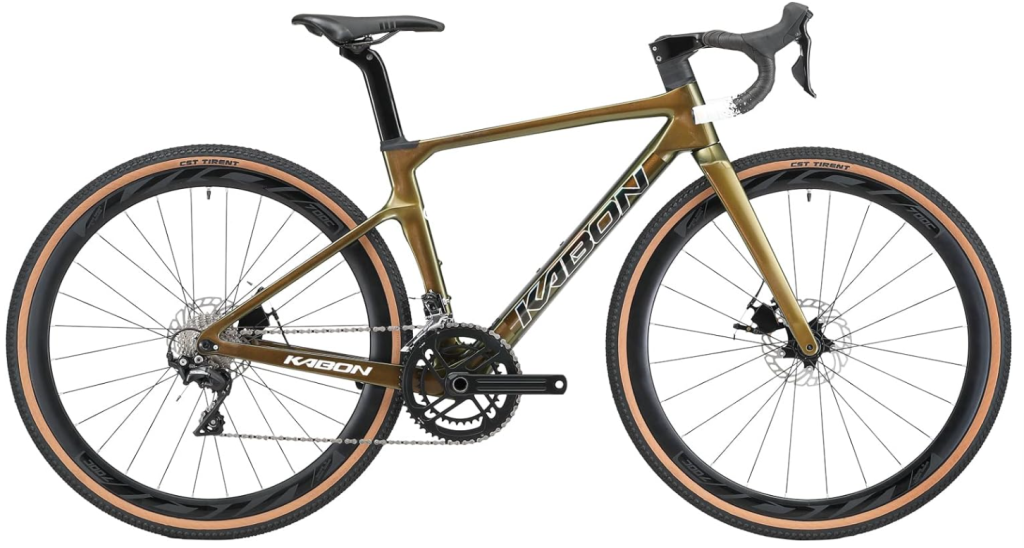
Some good example for gravel bike with a good price quality could be this KABON Gravel Bike on amazon , it’s pretty cheap and good quality

Beyond the basics, runners should consider investing in cycling-specific shoes that can improve pedaling efficiency and clipless pedals for a secure foot-to-bike connection. Proper eyewear to protect against debris and UV rays, along with a high-quality, breathable jersey, will ensure comfort during long rides. These pieces of equipment not only increase safety and efficiency but also enhance the overall gravel biking experience.

3. Gravel Biking Techniques and Skills

Gravel biking requires a set of skills that can be beneficial for runners looking to improve their athletic abilities. Mastering bike handling on loose or uneven surfaces, such as gravel or dirt, is crucial. This includes learning how to control the bike during descents and sharp turns, which enhances balance and reflexes—skills that are transferable to trail running and other sports.

Effective braking techniques are also vital for safe gravel biking. Runners can benefit from understanding how to use both front and rear brakes properly to manage speed without skidding. Additionally, developing the ability to anticipate terrain changes and adjust riding posture accordingly will help maintain momentum and efficiency on longer rides, which is a valuable skill for pacing during races.

4. Integrating Gravel Biking into Running Training Plans

Integrating gravel biking into a running regimen can provide a refreshing change while boosting overall fitness. For example, a runner could replace one or two short recovery runs each week with a moderate gravel bike ride. This approach reduces the impact on the body while still contributing to aerobic fitness and can be particularly useful during higher mileage weeks or when recovering from a race.

Gravel biking can also serve as an effective active recovery tool. After a strenuous run, a light, low-intensity bike ride can help increase blood flow to the muscles, facilitating quicker recovery and reducing soreness. By scheduling gravel bike rides strategically, runners can maintain a high level of overall fitness and readiness without overloading their systems, leading to better performances and fewer injuries.

Gravel Bike cross trainning for runners Read More »

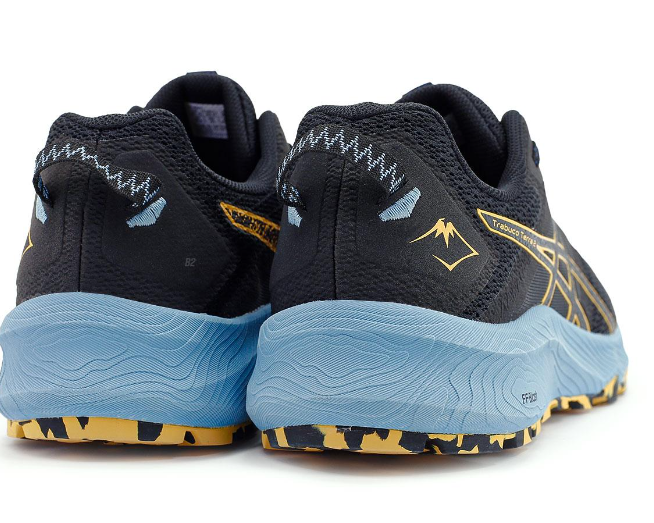
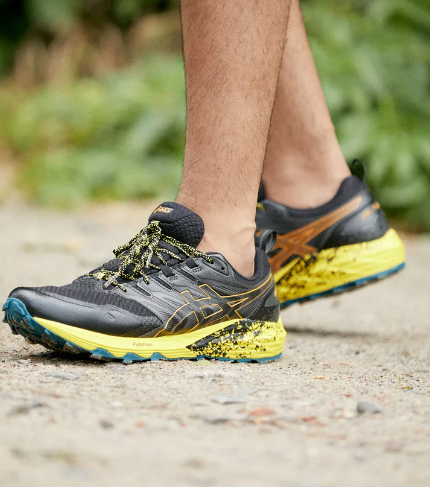
Asics Trabuco Gel 2: A Hybrid Shoe for the Modern Runner

The Asics Trabuco Gel 2 is not just another trail runner shoe; it’s a versatile hybrid that I’ve come to rely on through various versions and countless adventures. From bustling city walks to casual runs and light trail excursions, this shoe has consistently provided the performance and comfort needed to handle diverse environments.

good quality trabuco gel 2

Versatility at Its Best

I’ve always chosen the Asics Trabuco Gel 2 as my go-to hybrid shoe, especially when packing light for travel. Its versatility means I can explore a city all day and switch to a trail or a casual run without needing a second pair of shoes. The seamless transition it offers from urban pavements to natural terrains highlights its design and functionality, making it an ideal choice for anyone who wants to do more with less.

Urban and Trail Ready

One of the standout features of the Trabuco Gel 2 is its grip. Whether I’m navigating the slick streets of a rainy city or tackling the loose surfaces of a forest trail, the outsole provides enough traction to keep me secure and confident. This grip performance, coupled with the shoe’s durable construction, ensures that I can face various surface challenges without any slips or stumbles, enhancing safety during my activities.

Trabuco shoe from asics, best hybrid

Comfort Is King

However, it’s the comfort that truly sets the Trabuco Gel 2 apart. Asics has engineered this shoe with a focus on supporting long periods of wear, which is perfect for those extended days on your feet. The Gel technology in the midsole offers superior shock absorption, crucial for reducing fatigue when you’re clocking up the miles on hard city pavements or rugged country trails. Additionally, the shoe’s breathable materials keep my feet cool and dry, which is essential for maintaining comfort during longer excursions.

Ideal for Light Runs and More

While the Trabuco Gel 2 is robust enough for mild trails, it’s also light enough for short, everyday runs. This balance is hard to find in typical trail shoes, which often sacrifice flexibility for ruggedness. The Trabuco Gel 2, however, manages to provide enough cushioning and support to protect your feet while maintaining the agility needed for quicker, more responsive movements during runs.

Long-Term Reliability

Having owned several versions of this shoe, I can attest to its durability and lasting comfort. Each pair has withstood the test of time and terrain, maintaining their performance characteristics despite extensive use. This reliability makes the Trabuco Gel 2 a wise investment for anyone who values longevity and consistent performance in their footwear.

Overall, the Asics Trabuco Gel 2 is a stellar hybrid shoe that excels in versatility, comfort, and reliability. Whether you’re a city walker, a casual runner, or a weekend trail explorer, this shoe will meet your needs with its balanced features. For those who are looking for a multi-purpose shoe that they can depend on across various activities, the Trabuco Gel 2 is undoubtedly worth considering.

Related running shoe & gear reviews

Related review: Joma R3000 review.

Asics Trabuco Gel 2: A Hybrid Shoe for the Modern Runner Read More »

Hoka Carbon X3: Comprehensive Long-Term Review for Runners

Hey runners! Have you ever wondered if the Hoka Carbon X3 is the game-changer it claims to be? Well, you’re in for a treat. Over the past few months and over than 1000km, I’ve put these shoes through their paces—literally! From marathon training to casual jogs, I’ve tested every aspect of the Carbon X3 to bring you a comprehensive long-term review. Whether you’re a seasoned marathoner or just starting your running journey, this post will give you all the insights you need to decide if these shoes are your next best investment. So, lace up and let’s dive into the nitty-gritty!

Introduction to Hoka Carbon X3

Hey there, fellow runners! If you’ve been eyeing the Hoka Carbon X3 and wondering if it lives up to the hype, you’re not alone. I was in the same boat a few months ago, curious about all the buzz around these high-tech running shoes. So, I decided to take the plunge and test them out myself. And let me tell you, the journey has been nothing short of exhilarating. From the first time I laced them up to the 1000km mark, I’ve experienced all the highs and lows these shoes have to offer. Whether it’s the ultra-lightweight feel or the impressive energy return, there’s a lot to unpack here. So, if you’re curious about what makes the Carbon X3 tick, stick around—I’ve got the scoop for you.

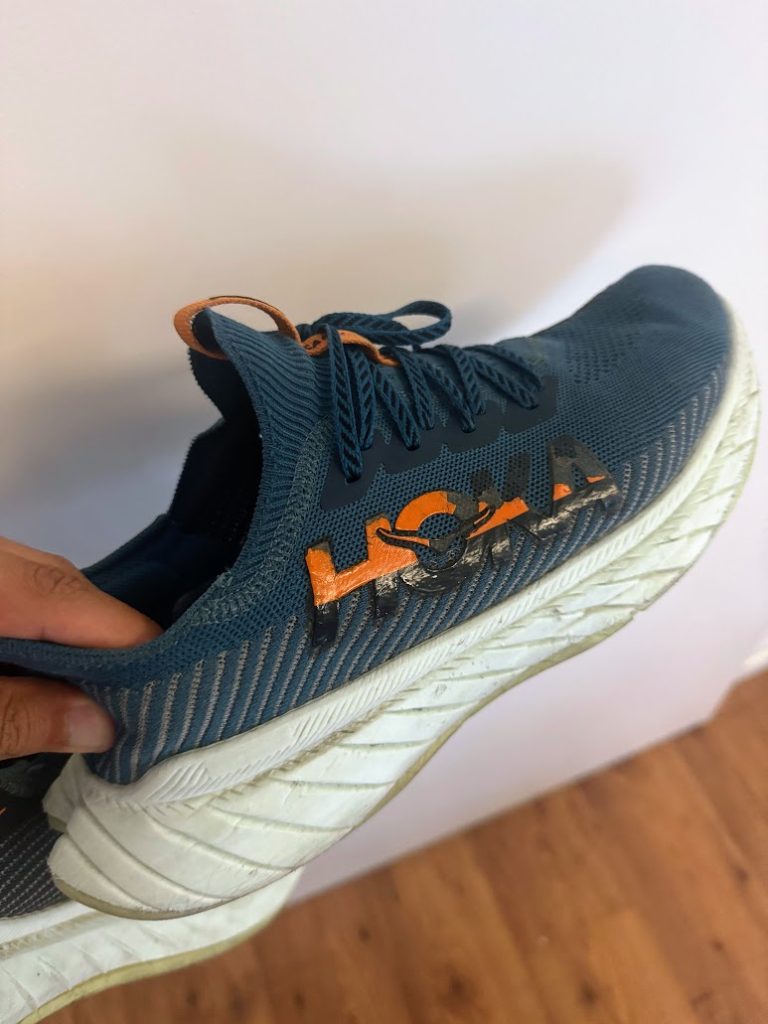
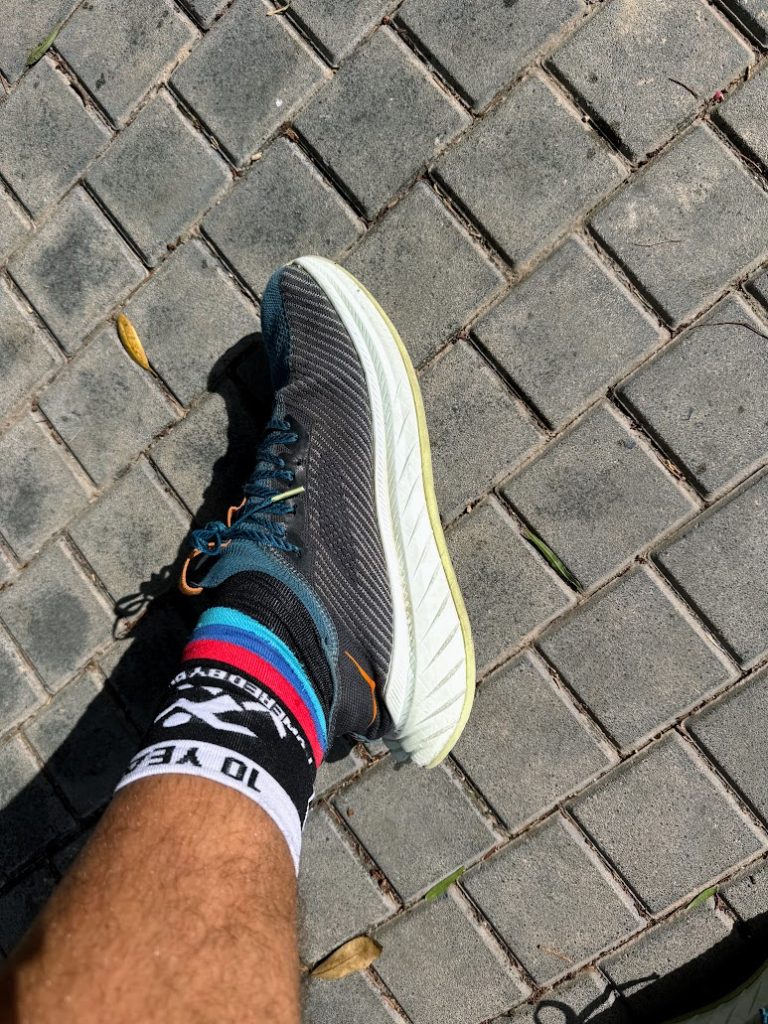
Hoka Carbon x3 after 1000km

Now, let’s get into the specifics. One of the first things you’ll notice about the Hoka Carbon X3 is its unique design, particularly the carbon fiber plate embedded in the midsole. This feature aims to provide a spring-like effect, propelling you forward with each stride. But does it really work? In my experience, absolutely. Here’s a quick rundown of what I’ve observed:

  • Comfort: The cushioning is superb, making long-distance runs much more manageable.
  • Durability: After 1000km, the shoes are still in great shape, a testament to their build quality.
  • Performance: The carbon fiber plate really does give you that extra boost, especially noticeable during speed workouts.

But it’s not all sunshine and rainbows. There are a few quirks you should be aware of. For instance, the fit might be a bit snug for those with wider feet, so you might want to try them on before committing. Also, while the energy return is fantastic, it does take some getting used to—especially if you’re coming from a more traditional running shoe. Overall, though, the Hoka Carbon X3 has proven to be a reliable companion for all my running adventures. Curious to learn more about the benefits of carbon fiber shoes? Check out my detailed guide here.

Design and Build Quality

Alright, let’s talk about the design and build quality of the Hoka Carbon X3. When I first unboxed these shoes, I was immediately struck by their sleek and modern design. The color combinations are not only eye-catching but also give off a vibe of speed and performance. The upper is made from a breathable mesh material that feels both lightweight and durable. This is a huge plus for those long-distance runs where breathability can make a world of difference. Have you ever had shoes that felt like they were suffocating your feet? Well, that’s definitely not the case here.

One of the standout features of the Carbon X3 is its carbon fiber plate embedded in the midsole. This isn’t just a gimmick; it genuinely provides a responsive and propulsive feel with every stride. Over the past few months, I’ve put these shoes through various conditions—rain, mud, and even some rocky trails—and they’ve held up remarkably well. The outsole shows minimal wear, which speaks volumes about its durability. Here are a few key points that stood out to me:

  • Upper Material: Breathable and lightweight, perfect for long runs.
  • Midsole: Carbon fiber plate for added propulsion and responsiveness.
  • Outsole: Durable with excellent traction, even in wet conditions.

In terms of fit, the Hoka Carbon X3 offers a snug yet comfortable experience. The toe box is roomy enough to accommodate natural foot splay, which is crucial for maintaining comfort over longer distances. If you’ve ever struggled with blisters or tightness in other running shoes, you’ll appreciate the thoughtful design here. So, if you’re looking for a shoe that combines cutting-edge technology with practical comfort, the Hoka Carbon X3 might just be your perfect match.

For those of you just starting your running journey, you might want to check out my guide on how to start running while overweight. Trust me, the right pair of shoes can make all the difference!

Comfort and Fit for Long Runs

When it comes to long-distance running, comfort and fit are non-negotiable. The Hoka Carbon X3 exceeds expectations in both these areas, making it a go-to choice for marathoners and casual runners alike. Have you ever felt that nagging discomfort after just a few kilometers? Well, with the Carbon X3, those days are behind you. From my first run to my latest 30km session, these shoes have consistently delivered unparalleled comfort. The plush cushioning feels like you’re running on clouds, while the snug fit ensures your feet stay secure without feeling restricted.

Hoka Carbon x3 used for long run

One of the standout features of the Carbon X3 is its lightweight design. Despite the ample cushioning, the shoe feels incredibly light on your feet, which is a game-changer for long runs. I remember during my Vilnius Half Marathon, these shoes made the difference between a good run and a great run. They offer just the right amount of support, preventing any unnecessary strain on your feet and legs. Here are some key points that make the Carbon X3 a top pick for long-distance runners:

  • Breathable Upper: Keeps your feet cool and dry, even on hot days.
  • Ample Cushioning: Provides excellent shock absorption, reducing the impact on your joints.
  • Snug Fit: Ensures your feet stay in place, minimizing the risk of blisters.
  • Lightweight Design: Helps maintain your energy levels over long distances.

If you’re looking to enhance your running performance, investing in a pair of Hoka Carbon X3 could be one of the smartest decisions you make. They not only offer exceptional comfort and fit but also contribute to better overall performance. For more tips on improving your running game, check out my post on 5 Key Training Techniques. Trust me, your feet will thank you!

Durability and Longevity Insights

Hey there, fellow runners! When it comes to investing in a pair of running shoes, durability and longevity are key factors we all look for, right? So, how does the Hoka Carbon X3 stack up after months of pounding the pavement? Let me share my experience. After running over 1000km in these shoes, I can confidently say that they hold up impressively well. I’ve taken them through various terrains—from smooth roads to rocky trails—and they’ve proven to be incredibly resilient. The outsole shows minimal wear, and the cushioning remains as supportive as it was on day one. I even wore them during a particularly grueling marathon, and they didn’t let me down!

One of the most remarkable aspects of the Hoka Carbon X3 is its upper material. It’s engineered to be both lightweight and durable, which is a rare combination. I’ve had shoes in the past where the upper would start to fray after a few months, but not with these. The breathable mesh still looks almost new, and the fit hasn’t stretched out at all. Here are some key points I’ve noticed:

  • Outsole Durability: Minimal wear even after 1000km.
  • Cushioning: Consistent support and comfort over time.
  • Upper Material: Lightweight, breathable, and retains its shape.

So, if you’re wondering whether the Hoka Carbon X3 can go the distance, my answer is a resounding yes. These shoes are built to last, making them a solid investment for any serious runner. Have you tried them yet? I’d love to hear about your experiences in the comments below!

Related running shoe & gear reviews

Related review: Joma R3000 review.

Hoka Carbon X3: Comprehensive Long-Term Review for Runners Read More »

Review OnCloud Cloudflow

1. Design and Aesthetics

The OnCloud Cloudflow stands out with its sleek, modern design that appeals to both aesthetic-conscious runners and those who prioritize function. Available in a variety of colors, the shoe features a streamlined silhouette that complements its performance features. The attention to detail in the stitching and the integration of reflective elements not only adds to the visual appeal but also enhances visibility during low-light conditions.

The aesthetic appeal of the Cloudflow is matched by its practical design choices, which include a lightweight mesh upper that provides excellent breathability. This design choice ensures that the shoes feel light on the feet, making them a great option for runners who value speed and comfort during their runs. The overall look is sporty yet sophisticated, capable of transitioning from training sessions to casual wear seamlessly.

2. Comfort and Fit

Comfort is paramount in the OnCloud Cloudflow, which boasts a snug fit and exceptional cushioning. The shoe’s insole and midsole offer a soft yet responsive feel, which many runners appreciate during both short sprints and longer distance runs. The adaptive upper mesh works well to conform to the shape of the foot, providing a personalized fit without constraining movement.

Breathability is another strong point of the Cloudflow, making it an excellent choice for running in various weather conditions. The upper’s ventilated design allows for efficient air circulation, helping to keep the feet cool and dry even during intense workouts. This level of comfort and the secure fit are enhanced by the lacing system, which evenly distributes pressure and adds to the overall stability of the shoe.

3. Performance and Technology

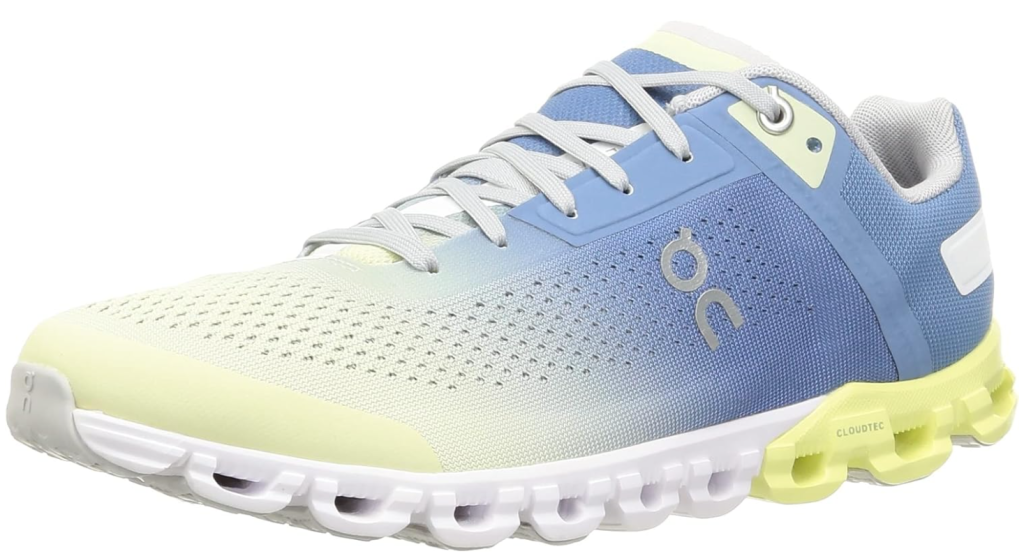
The OnCloud Cloudflow is engineered with cutting-edge technology, specifically the proprietary CloudTec® sole that offers a unique balance of soft landings and explosive take-offs. This technology effectively absorbs the impact when the foot strikes the ground and then converts this energy into forward motion, providing an energetic running experience that many users find boosts their performance.

Additionally, the shoe’s Speedboard™ within the sole is designed to propel runners forward and encourage a more dynamic stride. This integration helps in maintaining a high pace and offers better control during runs, which is particularly beneficial during races or speed training. The innovative use of materials and technology in the Cloudflow not only enhances its functionality but also contributes to its longevity and reliability.

4. Durability and Value

Durability is a key consideration for any running shoe, and the OnCloud Cloudflow excels in this area. Constructed with high-quality materials that withstand the wear and tear of regular use, the shoe is designed to last through countless miles without significant degradation in performance or comfort. This makes it a wise investment for serious runners who log extensive mileage each week.

In terms of value, the Cloudflow is competitively priced within the performance running shoe market, offering excellent quality and technology at a price point that is accessible to many runners. While it may be a higher initial investment compared to some basic models, the longevity, advanced features, and overall performance justify the cost, making it a cost-effective choice for dedicated athletes seeking a reliable running partner.

Related running shoe & gear reviews

Related review: Joma R3000 review.

Review OnCloud Cloudflow Read More »

Review for runners: Apple Watch Ultra

I recently exchanged my Garmin Fenix 6 watch for the Apple Watch and in this article I will show a comparison and analysis of this exchange. I have been using the Apple Watch for about 8 months and the main reason was the integration with the cell phone.

1. Durability and Design

The Apple Watch Ultra has been engineered with durability at its forefront, catering specifically to athletes and outdoor enthusiasts who demand ruggedness in their gear. With its titanium case and sapphire crystal display, the Apple Watch Ultra is built to withstand harsh conditions, from trail running to mountain climbing. This level of robust construction is comparable to Garmin’s Fenix series, which also emphasizes durability and is favored by outdoor adventurers.

While both brands offer high durability, the Apple Watch Ultra steps up with its certified water resistance to a depth of 100 meters and enhanced dust resistance, making it exceptionally reliable in more extreme environmental conditions than most Garmin models. This makes it an appealing choice for runners who frequently traverse challenging terrains or engage in multi-sport activities that include water exposure, providing a slight edge in terms of versatility.

Explore our detailed comparison of the Apple Watch Ultra and Garmin watches for runners

2. Battery Life and Performance

Battery performance is crucial for long-distance runners who rely on continuous GPS tracking. The Apple Watch Ultra offers up to 36 hours of normal use and extends up to 60 hours in low power settings, which is a significant improvement over its predecessors. However, when compared to Garmin, which offers devices like the Fenix series that can last up to several weeks on a single charge in certain modes, the Apple Watch still lags slightly behind in terms of long-term endurance.

For daily runners and those who prefer regular charging routines, the Apple Watch Ultra’s battery life is more than adequate. However, for ultra-marathoners or multi-day event participants, Garmin’s superior battery longevity provides a distinct advantage, reducing the need for frequent recharges and ensuring continuous activity tracking without interruption during prolonged events.

3. Health and Fitness Tracking Features

The Apple Watch Ultra comes packed with advanced health monitoring features, including an accurate heart rate sensor, blood oxygen monitoring, and an integrated GPS that competes closely with Garmin’s high-precision sensors. The Apple Watch also offers unique features like crash detection and a temperature sensor, adding layers of safety and biometric data that are beneficial for comprehensive health tracking during runs.

Garmin watches, known for their detailed fitness analytics, offer customizable data screens and in-depth metrics that appeal particularly to professional athletes and sports enthusiasts. While the Apple Watch provides a broad range of workout types and seamless integration with iOS apps, Garmin allows for more in-depth customization of data fields and longer data tracking history, which can be crucial for training analysis over time.

4. User Interface and Ecosystem

The user interface of the Apple Watch Ultra is one of its biggest selling points, featuring a fluid touch screen, crisp display, and the intuitive watchOS interface. The integration with iOS allows for seamless connectivity with iPhones, making it a robust choice for runners who appreciate having their data sync effortlessly with their other devices and enjoy the broader ecosystem of Apple apps and services.

In contrast, Garmin’s interface is highly functional but can be less intuitive for those not familiar with Garmin’s ecosystem. Garmin watches support excellent integration with a variety of fitness platforms and have robust native applications for workout data analysis, which might be more appealing to users who prioritize extensive customization and deep data analysis over general aesthetics and ease of use.

5. Cost-Benefit Analysis

The Apple Watch Ultra is priced at a premium, reflecting its advanced features and robust design. For runners who are also avid tech enthusiasts or those who are already embedded within the Apple ecosystem, the price may be justified by the seamless integration and the convenience of connected features alongside health and fitness tracking.

Comparatively, Garmin watches may offer better value for runners focused solely on fitness tracking and durability for long-distance events. With models available across a range of prices, Garmin provides options that cater to serious athletes who need extended battery life and more detailed customizability without necessarily requiring broader smartwatch functions. This makes Garmin a potentially more cost-effective choice for dedicated runners, depending on their specific needs and budget constraints.

Veja também: Best running watches for beginners.

Review for runners: Apple Watch Ultra Read More »

Scroll to Top