reviews

Looking for honest, unbiased reviews of the latest running gear, apparel, and technology? Look no further than the “Reviews” tag session on RunningWithJoe.com. This section of the blog is dedicated to providing readers with detailed, in-depth reviews of the products that matter most to runners, from shoes and apparel to GPS watches and hydration systems. Each review is written by an experienced runner who puts the product to the test in real-world conditions, providing readers with an objective assessment of its features, performance, and value. Browse the “Reviews” tag session to discover new products and make informed purchasing decisions for your next running adventure.

Bybit Review for Runners: Why I Use Crypto Rails for International Race Money

This isn’t your typical crypto review. It’s about a real-world problem: how do you move money internationally for race trips, prize money, and gear purchases without your bank eating 5-8% in fees?

For me, the answer combines Revolut (covered in last week’s post) with a crypto exchange. This week I’m sharing how I use Bybit as a low-friction “money bridge” for international running expenses.

Disclosure: This post contains a referral link. If you sign up via my code, we both get reduced fees and a welcome bonus. No extra cost to you. Crypto carries real risk — this is educational, not financial advice.

Why a Runner Cares About Crypto Exchanges

If you’ve never run abroad, this won’t apply to you. Skip to the next gear post.

If you have, you know the friction:
Wiring USD to a foreign training camp — bank charges $40, takes 3 days
Receiving prize money from an international ultra — same problem, reversed
Buying race entries when registration system only accepts EUR — your bank’s FX is brutal
Paying a coach abroad — same currency dance

I started using stablecoins (USDT/USDC) for these flows about 2 years ago. Send/receive in seconds, fees of $1-3 instead of $30-50, no bank gatekeeping.

To do that, you need a crypto exchange that:
1. Lets you convert your local currency to USDT
2. Has cheap withdrawal fees on Tron network (TRC20)
3. Has good liquidity so you don’t lose to slippage
4. Plays nice with KYC across countries

Bybit checks all these boxes for me. Here’s why.

What is Bybit?

Founded in 2018, headquartered in Dubai. One of the top 5 global crypto exchanges by volume. Big in derivatives but also strong on spot trading and stablecoin services.

For a runner using it as a “money rail” (not for trading), what matters:

  • Fast KYC (15-30 min for level 1)
  • Stablecoin spot pairs (USDT/USDC against most major fiat options)
  • Cheap TRC20 USDT withdrawals (~1 USDT)
  • 24/7 customer service (sluggish at peak but responsive)

How I Actually Use Bybit (Non-Trading)

1. Receive prize money or sponsorship in stablecoins

Some race organizers and brands now offer payment in USDT/USDC. Bybit gives me an address; they send; settles in minutes. Compare to:

  • SWIFT wire: 3-5 days, $30-50 in bank fees, FX markup
  • Stablecoin via Bybit: 5 minutes, $1-3 fee, exchange spread minimal

2. Cross-border training camp payments

Paying a coach in another country who accepts USDT? Send from Bybit wallet to theirs. Done.

3. Gear purchases from international shops accepting crypto

Some specialty shops (Nordic running gear, ultra-endurance brands) accept BTC/USDT. Buy direct, no FX bank fees.

4. Holding emergency travel funds in stablecoins

Going to a country with weak banking infrastructure or capital controls? Park funds in USDC/USDT on Bybit, draw down via local stablecoin merchants if needed.

⚠️ NOT financial advice — stablecoins have their own risks (de-pegging, regulatory). I keep maybe 5-10% of travel funds in stablecoins as a “Plan B”, not as primary.

Bybit Spot Trading Fees (For Reference)

Even if you’re not trading speculatively:

Operation Fee
Spot maker 0.10%
Spot taker 0.10%
USDT withdrawal (TRC20) ~1 USDT
USDT withdrawal (ERC20 Ethereum) ~5-15 USDT (gas dependent)
BTC withdrawal ~0.0005 BTC
Deposit Free

Always use TRC20 for USDT transfers — much cheaper than Ethereum.

Setup with Welcome Bonus

  1. Visit: bybit.com/invite?ref=QAKOBDV
  2. Create account (email + password)
  3. Verify email
  4. KYC Level 1: passport/national ID + selfie. Done in ~15 min.
  5. KYC Level 2 (for larger transactions): proof of address + bank statement. ~24h.
  6. Deposit (USDT via TRC20 is cheapest from another exchange or P2P)
  7. Both of us get the welcome bonus + you get reduced trading fees for 30 days

Bonus tip: I also keep some funds on MEXC for altcoins not yet listed on Bybit. Diversification across exchanges is risk management 101.

Manual code: QAKOBDV (enter at signup if you don’t use the direct link).

Honest Downsides

  • 2025 hack memory: Bybit got hit by the largest crypto hack in history (~$1.5bn ETH stolen) in February 2025. They covered all user funds, but it’s a reminder: don’t keep more on any CEX than you’re willing to lose. Cold wallet (Ledger/Trezor) for HODL, exchange for active use.
  • Customer support quality varies by hour and language
  • EU/UK MiCA compliance restricts some features for European residents (e.g., higher leverage, some altcoins)
  • Not designed for fiat onramps in every country — some places require P2P trading via local agents (more friction)

When NOT to Use Bybit

  • You don’t trust crypto exchanges in general — fair, stick with Wise/Revolut
  • You only race domestically — Revolut is enough
  • You’re under stricter KYC oversight in your country — research local laws first

Bybit + Revolut Combined Workflow (My Setup)

For a typical international race trip:

  1. Income arrives in my home country (BRL, EUR, etc) → Revolut
  2. Major foreign currency expenses (race fees in EUR, hotel) → pay direct via Revolut Mastercard
  3. Cross-border prize money or sponsorship in USDT → Bybit
  4. Convert USDT back to EUR/BRL via Bybit spot → withdraw to Revolut → pay normally
  5. Trip emergencies / countries with weak banking → keep small USDT reserve on Bybit accessible from any internet connection

👉 Sign up for Bybit with referral (code: QAKOBDV)


Disclosure & Risk Notice

Referral link in this post — both of us get a sign-up bonus when you join via my code QAKOBDV. No extra cost to you.

Cryptocurrency carries real risk. Prices are volatile. Exchanges can be hacked or insolvent. Stablecoins can de-peg. You can lose all funds invested. This post is educational/comparative, NOT financial advice or recommendation to invest. Consult a financial professional before making decisions. Comply with your local laws (some jurisdictions restrict crypto activity).


Series Navigation

Bybit Review for Runners: Why I Use Crypto Rails for International Race Money Read More »

Revolut for Runners: How I Pay for International Race Trips Without Getting Hammered by FX Fees

I’ve run marathons in Barcelona, Helsinki, Cyprus, and a half-dozen other places outside my home country. Every single one taught me the same painful lesson: using your regular bank’s debit/credit card abroad bleeds money. Foreign exchange fees, IOF, “international transaction” surcharges — they stack up fast.

The fix that actually worked for me is Revolut. This post is an honest review from a runner who travels for races, including how to set up an account with a sign-up bonus.

Disclosure: Some links in this post are referral links. If you sign up using my link, we both get a bonus, at no extra cost to you. I only recommend tools I personally use.

What is Revolut?

Revolut is a UK-based fintech (founded 2015) with 70+ million customers worldwide. Think of it as a digital bank app that replaces your traditional bank for travel-heavy use cases. You hold money in 30+ currencies inside one account, swap between them at near-interbank exchange rates, and spend with a debit card globally.

For a runner who travels for races, the killer feature is the multi-currency wallet + interbank FX rate — no markup, no shady “tourist exchange rate” your bank quietly applies.

Why Runners Should Care About Multi-Currency

If you’ve ever:

  • Booked a race in Europe and had to pay €60-150 in EUR via card
  • Stayed in Airbnb in Tokyo and watched yen come out of your account
  • Bought running shoes from On Running’s UK site for £180
  • Tipped a sherpa or paid a permit in cash in Nepal/Tanzania

…you know the pain. Bank cards typically charge 3-7% in combined fees and FX markup. On a €1500 trip (race + flights + accommodation), that’s €45-105 in pure fees to the bank. For nothing.

Revolut charges effectively 0-1.5% depending on amount and time of day. Math is obvious.

My Real Use Cases as a Runner

1. Race entry fees in foreign currency

Sign up for the Helsinki Marathon (€135 EUR), Barcelona Half (€55 EUR), Cyprus Marathon ($90 USD). I top up the corresponding currency in the app first, then pay. Zero foreign transaction fees.

Compared to my Brazilian bank card: 6-8% saved per transaction.

2. Hotel/Airbnb bookings abroad

Same thing — book in EUR/USD/GBP with funds already converted at interbank rate. Booking.com, Airbnb, and most hotel aggregators accept Revolut card globally.

3. Race-day expenses (taxi, food, gear shops)

The Revolut physical Mastercard works basically anywhere Mastercard is accepted. Contactless pay on metros, restaurants, gear stores. ATMs work too (free withdrawals up to €200/month on the free plan).

4. Splitting costs with running buddies

Running with a friend? Send them money in any currency instantly via the app. Useful for splitting the rental car or hotel.

5. Travel insurance (premium plans)

The Premium plan ($8/mo) includes travel insurance — useful if you’re flying to a destination race and worried about delays/lost gear. Coverage isn’t comprehensive but it’s a cheap baseline.

Plans Available

Plan Price Best for
Standard Free Casual race travelers (1-2 races/year abroad)
Plus ~€3/mo Faster support, more virtual cards
Premium ~€8/mo Lounge access, travel insurance, higher FX limit
Metal ~€14/mo Frequent international flyers, higher cashback

For most runners: Standard (free) is enough. Premium is worth it if you fly internationally 4+ times a year.

What I Don’t Love About Revolut

Being honest:

  • Customer support is chat-only in most cases. If your account gets temporarily frozen (it happens — they’re conservative about fraud detection), getting it unfrozen can take 24-48h.
  • They sometimes flag legit transactions as suspicious, especially first-time large amounts. Annoying but explainable.
  • Cash withdrawals are limited on free plan (€200/mo). For races where you need cash for sherpas/local fees, consider upgrading temporarily.
  • Premium support cards sometimes take 10-14 days to arrive in mail. Order yours BEFORE the race trip, not last minute.

Quick Setup (with bonus)

  1. Click my link: revolut.com referral link
  2. Download the app (iOS or Android)
  3. Sign up with your phone + email
  4. Complete KYC (passport/national ID + selfie + address)
  5. Approval typically in 5-15 minutes
  6. Order physical Mastercard (free shipping in EU/UK; varies elsewhere)
  7. Top up funds via bank transfer or card
  8. Both of us get the sign-up bonus once you complete a qualifying transaction

👉 Sign up for Revolut →

⚠️ Bonus amounts vary by country and may change. Check the app for current promotion after signup.

Comparison: Revolut vs Wise vs Local Bank for Runners

Use case Revolut Wise Local Bank Card
Race fee payment in EUR ✅ Best ✅ Good ❌ 4-7% fees
Hotel booking in foreign currency
Cash withdrawal abroad ✅ Free up to limit ✅ Free up to limit ❌ Often $5+ per ATM
Receive prize money in USD ⚠️ Limited (no IBAN US) ✅ Has US ACH ✅ Slow + expensive
Day-to-day in your home country ❌ Not designed for it ❌ Not designed for it

I use Revolut + my home bank combined. Revolut for travel/multi-currency, home bank for everything domestic. (For sending USD-denominated freelance income to my home account, I use Wise — different tool, different job.)

Final Take

If you race abroad even once a year, Revolut pays for itself on the first trip via FX savings alone. Free plan is more than enough for most runners.

If you’re a one-marathon-per-decade kind of runner who only stays in your home country, you can skip this. Otherwise — open the account, get the card, save yourself the bank fees.

👉 Get Revolut with bonus


Disclosure

Links in this post are referral links. If you sign up using my link, we both receive a sign-up bonus. This does not affect your cost in any way. I have used Revolut personally since 2019 for international travel and race trips, and this review reflects real experience.

This post is informational. Financial products carry risks; check current terms on the official Revolut website before signing up.


Other Tools I Use for Race Travel

  • Airalo eSIM (use code GUILHE4334 for both of us to get $3 credit) — local data plans without SIM swapping (covered in another post)
  • Wise — for receiving USD-denominated freelance income (we both get a fee-free transfer when you sign up)
  • TapTap Send — what I use to send money back to Brazil from abroad. Use code GUILHERM441 and get €10 when you send €25+ (we both benefit)
  • Booking.com / Airbnb — accommodation
  • Garmin Connect — synced everywhere

(More gear-and-tools posts coming soon.)

Revolut for Runners: How I Pay for International Race Trips Without Getting Hammered by FX Fees Read More »

Helsinki Marathon Review: Experience, Tips, and Highlights

Hey there, fellow runners! Ever wondered what it’s like to run a marathon in one of the most beautiful cities in the world? Well, let me take you on a journey through my unforgettable experience at the Helsinki Marathon. Picture this: 42 kilometers of stunning scenery, perfect weather, and a route that almost entirely follows the city’s bike paths, showcasing Helsinki’s commitment to cycling. Despite my training not being perfect, I managed to cross the finish line with a huge smile on my face. Curious to know how it all went down and pick up some tips for your next marathon? Keep reading!

Pre-Race Preparation Tips

Before diving into the race itself, let me share some tips on pre-race preparation that can make your marathon experience even more memorable. First off, if you’re traveling all the way to Finland for the Helsinki Marathon, why not make the most of it and explore some nearby countries? We decided to spend a day in Denmark before heading to Helsinki. It was a fantastic way to break up the long journey and experience another beautiful Scandinavian country. Plus, it gave us a chance to shake off any travel fatigue and get into the right mindset for the race.

Traveling to a new country to run a marathon has its own set of advantages. For one, it turns the whole event into a mini-vacation. You get to combine your love for running with the excitement of exploring a new place. Finland, in particular, is a gem. The people are friendly, the food is delicious, and the scenery is absolutely breathtaking. We took some time to explore Helsinki before the race, visiting landmarks and enjoying the local culture. Trust me, immersing yourself in the surroundings can be incredibly motivating and make the race day experience even more special.

Here are a few tips to help you prepare:

  • Acclimate to the Local Time Zone: Try to arrive a few days early to adjust to the time difference. This will help you avoid jet lag on race day.
  • Explore the Course: If possible, take a walk or bike ride along parts of the marathon route. This will give you a sense of what to expect and help calm any pre-race nerves.
  • Stay Hydrated and Nourished: Enjoy the local cuisine but make sure to stick to foods that you know won’t upset your stomach. Hydration is key, especially if the weather is warmer than you’re used to.
  • Relax and Enjoy: Remember, this is not just about the race. Take time to soak in the sights, sounds, and experiences of your travel. It will make your marathon journey much more fulfilling.

By turning your marathon trip into a holistic experience, you’ll not only perform better but also create lasting memories. So pack your bags, lace up your running shoes, and get ready for an adventure of a lifetime!

Course Highlights

The Helsinki Marathon was an absolute highlight for me, and I can’t wait to share the standout moments with you. From the get-go, the course had me in awe. Imagine running through scenic parks, along the waterfront, and through charming neighborhoods, all while sticking to the city’s extensive network of bike paths. This unique route not only made for a smooth and enjoyable run but also highlighted Helsinki’s dedication to sustainable and eco-friendly transportation. It’s no wonder the city is a cyclist’s paradise!

One of the things that stood out the most was the incredible support from both the organizers and the locals. The water stations were plentiful and well-stocked, ensuring I stayed hydrated and energized throughout the race. And let’s not forget the enthusiastic spectators who lined the streets, cheering us on with such infectious energy. Their encouragement was a huge morale booster, especially during those challenging last kilometers. If you’re ever prepping for a marathon, remember that a solid warm-up routine is crucial. I found some great tips on warming up for running that really helped me get into the zone before the race. Also, don’t overlook the importance of injury prevention. Incorporating techniques from injury prevention techniques for runners can make a world of difference in your training and performance.

Final Thoughts and Recommendations

As I reflect on my experience at the Helsinki Marathon, I can’t help but feel a sense of accomplishment and joy. Running through such a picturesque city, with its extensive bike paths and scenic routes, made every kilometer a delight. The weather was on our side, offering perfect conditions that contributed significantly to the overall experience. Despite my training not being as rigorous as I had hoped, the support from fellow runners and the enthusiastic spectators kept my spirits high and my legs moving. If you’re considering running the Helsinki Marathon, I wholeheartedly recommend it. Here are a few final thoughts and recommendations to help you make the most of your race day:

Take Advantage of the Bike Paths: The course is almost entirely on bike paths, which means it’s well-maintained and safe. This unique aspect of the marathon really showcases Helsinki’s commitment to cycling and makes for a smooth and enjoyable run.

  • Stay Hydrated: There are plenty of aid stations along the route, so make sure to take advantage of them. Hydration is key, especially if the weather is warmer than expected.
  • Embrace the Scenery: Don’t forget to look around and take in the beautiful surroundings. From the coastal views to the lush parks, Helsinki has a lot to offer visually, and it’s worth savoring every moment.
  • Post-Race Recovery: After crossing the finish line, make sure to take care of your body. Stretch, hydrate, and refuel with some nutritious food. Helsinki has some great spots to relax and enjoy a well-deserved meal.

Finally, remember that every marathon is a personal journey. Whether you’re aiming for a personal best or simply looking to enjoy the experience, the Helsinki Marathon offers something for everyone. So lace up your running shoes, soak in the beautiful city, and enjoy every step of the way. Happy running!

Helsinki Marathon Review: Experience, Tips, and Highlights Read More »

Garmin vs. Apple Watch: Which Is the Best for Running?

When it comes to choosing a smartwatch for running, two brands often come to mind: Garmin and Apple. Both offer unique features tailored to different types of users, making the decision a crucial one for runners looking to enhance their training. In this comparison, we’ll dive into the key aspects of the Garmin and Apple Watch to help you determine which is the best fit for your running and fitness needs.

Design and Display

garmin is better then apple watch?

Garmin: Garmin watches are designed with ruggedness in mind, suitable for not only road running but also more extreme conditions like trail running and hiking. They typically feature a more utilitarian, sporty design with a focus on durability. The displays vary across models but are generally optimized for easy reading under direct sunlight, a significant advantage for outdoor runners.

Apple Watch: Apple’s design leans towards sleek and stylish, making it a versatile choice that fits well with both workout gear and professional attire. The display is bright and colorful with high resolution, which enhances the user interface but can be somewhat harder to read under intense sunlight compared to Garmin.

Health and Fitness Tracking

Garmin: Garmin watches are renowned for their comprehensive fitness tracking capabilities. They offer detailed metrics on running dynamics such as cadence, stride length, and vertical oscillation. Higher-end models also include advanced features like heart rate monitoring during swimming and detailed mapping for trail runners.

Apple Watch: While the Apple Watch provides robust health monitoring features, including heart rate tracking, ECG, and an integrated fitness tracker, it focuses more on general wellness than specific running metrics. The Workout app covers a range of activities, and with each iteration, Apple continues to enhance its health and fitness capabilities.

Battery Life and Connectivity

review apple watch x garmin, what is the best

Garmin: One of the standout features of Garmin watches is their long battery life. Basic models can last a week or more on a single charge, and even the more advanced watches with GPS and music capabilities can last several days, which is ideal for long-distance runners and ultramarathoners.

Apple Watch: Battery life is one of the weaker points of the Apple Watch, typically lasting about a day or two depending on usage. This means daily charging is necessary, which can be inconvenient for long-duration athletes or those who prefer multi-day tracking.

App Ecosystem and Smart Features

Garmin: Garmin devices integrate well with a variety of third-party apps that cater to running and other fitness activities. They also offer Garmin Connect, a powerful platform for analyzing workout data, setting training plans, and sharing progress within a community.

Apple Watch: The Apple Watch benefits greatly from its integration with iOS and the vast array of apps available in the App Store. This includes not only fitness and health apps but also a broad selection of apps for productivity, entertainment, and more. The seamless integration with iPhones and other Apple devices enhances its utility as a smartwatch.

Price

Garmin: Garmin offers a wide range of models catering to various budgets, from basic running watches to high-end multisport models equipped with all the bells and whistles.

Apple Watch: Generally, Apple Watches are priced higher than basic Garmin models but competitive with Garmin’s more advanced watches. The price reflects its dual nature as both a smartwatch and a fitness tracker.

Choosing between a Garmin and an Apple Watch largely depends on what aspects of a smartwatch are most important to you. If detailed running metrics, durability, and extended battery life are your priorities, Garmin might be the way to go. However, if you value a sleek design, broad app compatibility, and extensive smart features, the Apple Watch could be your ideal running companion. Both brands offer models that excel in various areas, ensuring there’s a perfect match for every type of runner.

Garmin vs. Apple Watch: Which Is the Best for Running? Read More »

Hoka Carbon X3: Comprehensive Long-Term Review for Runners

Hey runners! Have you ever wondered if the Hoka Carbon X3 is the game-changer it claims to be? Well, you’re in for a treat. Over the past few months and over than 1000km, I’ve put these shoes through their paces—literally! From marathon training to casual jogs, I’ve tested every aspect of the Carbon X3 to bring you a comprehensive long-term review. Whether you’re a seasoned marathoner or just starting your running journey, this post will give you all the insights you need to decide if these shoes are your next best investment. So, lace up and let’s dive into the nitty-gritty!

Introduction to Hoka Carbon X3

Hey there, fellow runners! If you’ve been eyeing the Hoka Carbon X3 and wondering if it lives up to the hype, you’re not alone. I was in the same boat a few months ago, curious about all the buzz around these high-tech running shoes. So, I decided to take the plunge and test them out myself. And let me tell you, the journey has been nothing short of exhilarating. From the first time I laced them up to the 1000km mark, I’ve experienced all the highs and lows these shoes have to offer. Whether it’s the ultra-lightweight feel or the impressive energy return, there’s a lot to unpack here. So, if you’re curious about what makes the Carbon X3 tick, stick around—I’ve got the scoop for you.

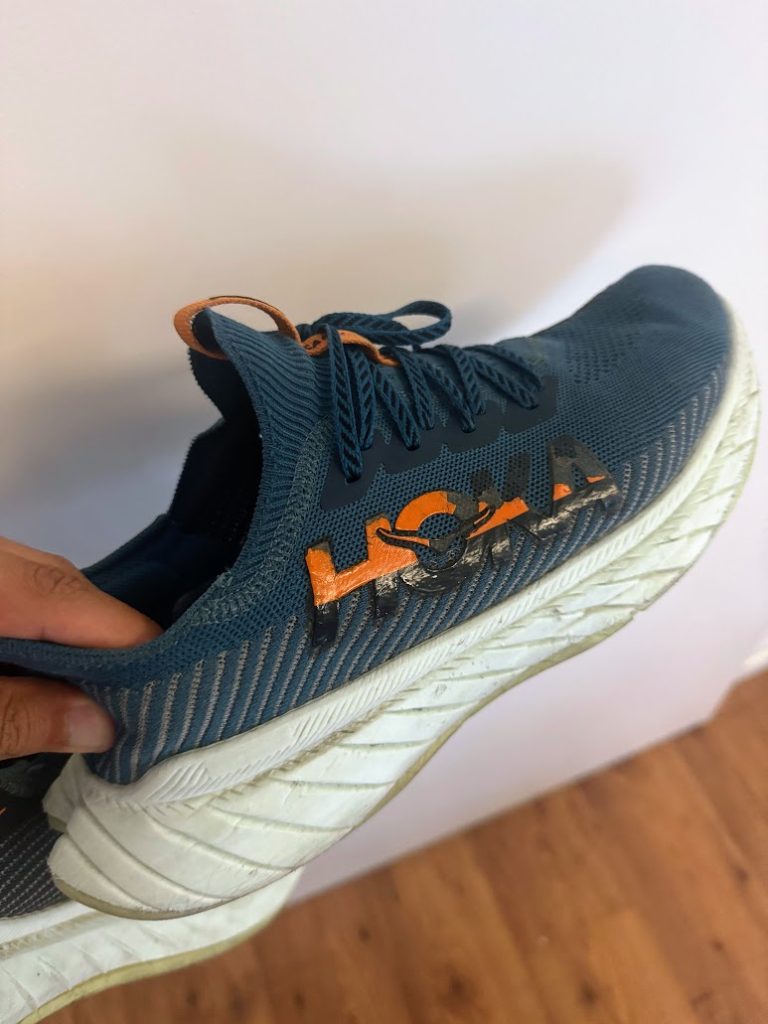
Hoka Carbon x3 after 1000km

Now, let’s get into the specifics. One of the first things you’ll notice about the Hoka Carbon X3 is its unique design, particularly the carbon fiber plate embedded in the midsole. This feature aims to provide a spring-like effect, propelling you forward with each stride. But does it really work? In my experience, absolutely. Here’s a quick rundown of what I’ve observed:

  • Comfort: The cushioning is superb, making long-distance runs much more manageable.
  • Durability: After 1000km, the shoes are still in great shape, a testament to their build quality.
  • Performance: The carbon fiber plate really does give you that extra boost, especially noticeable during speed workouts.

But it’s not all sunshine and rainbows. There are a few quirks you should be aware of. For instance, the fit might be a bit snug for those with wider feet, so you might want to try them on before committing. Also, while the energy return is fantastic, it does take some getting used to—especially if you’re coming from a more traditional running shoe. Overall, though, the Hoka Carbon X3 has proven to be a reliable companion for all my running adventures. Curious to learn more about the benefits of carbon fiber shoes? Check out my detailed guide here.

Design and Build Quality

Alright, let’s talk about the design and build quality of the Hoka Carbon X3. When I first unboxed these shoes, I was immediately struck by their sleek and modern design. The color combinations are not only eye-catching but also give off a vibe of speed and performance. The upper is made from a breathable mesh material that feels both lightweight and durable. This is a huge plus for those long-distance runs where breathability can make a world of difference. Have you ever had shoes that felt like they were suffocating your feet? Well, that’s definitely not the case here.

One of the standout features of the Carbon X3 is its carbon fiber plate embedded in the midsole. This isn’t just a gimmick; it genuinely provides a responsive and propulsive feel with every stride. Over the past few months, I’ve put these shoes through various conditions—rain, mud, and even some rocky trails—and they’ve held up remarkably well. The outsole shows minimal wear, which speaks volumes about its durability. Here are a few key points that stood out to me:

  • Upper Material: Breathable and lightweight, perfect for long runs.
  • Midsole: Carbon fiber plate for added propulsion and responsiveness.
  • Outsole: Durable with excellent traction, even in wet conditions.

In terms of fit, the Hoka Carbon X3 offers a snug yet comfortable experience. The toe box is roomy enough to accommodate natural foot splay, which is crucial for maintaining comfort over longer distances. If you’ve ever struggled with blisters or tightness in other running shoes, you’ll appreciate the thoughtful design here. So, if you’re looking for a shoe that combines cutting-edge technology with practical comfort, the Hoka Carbon X3 might just be your perfect match.

For those of you just starting your running journey, you might want to check out my guide on how to start running while overweight. Trust me, the right pair of shoes can make all the difference!

Comfort and Fit for Long Runs

When it comes to long-distance running, comfort and fit are non-negotiable. The Hoka Carbon X3 exceeds expectations in both these areas, making it a go-to choice for marathoners and casual runners alike. Have you ever felt that nagging discomfort after just a few kilometers? Well, with the Carbon X3, those days are behind you. From my first run to my latest 30km session, these shoes have consistently delivered unparalleled comfort. The plush cushioning feels like you’re running on clouds, while the snug fit ensures your feet stay secure without feeling restricted.

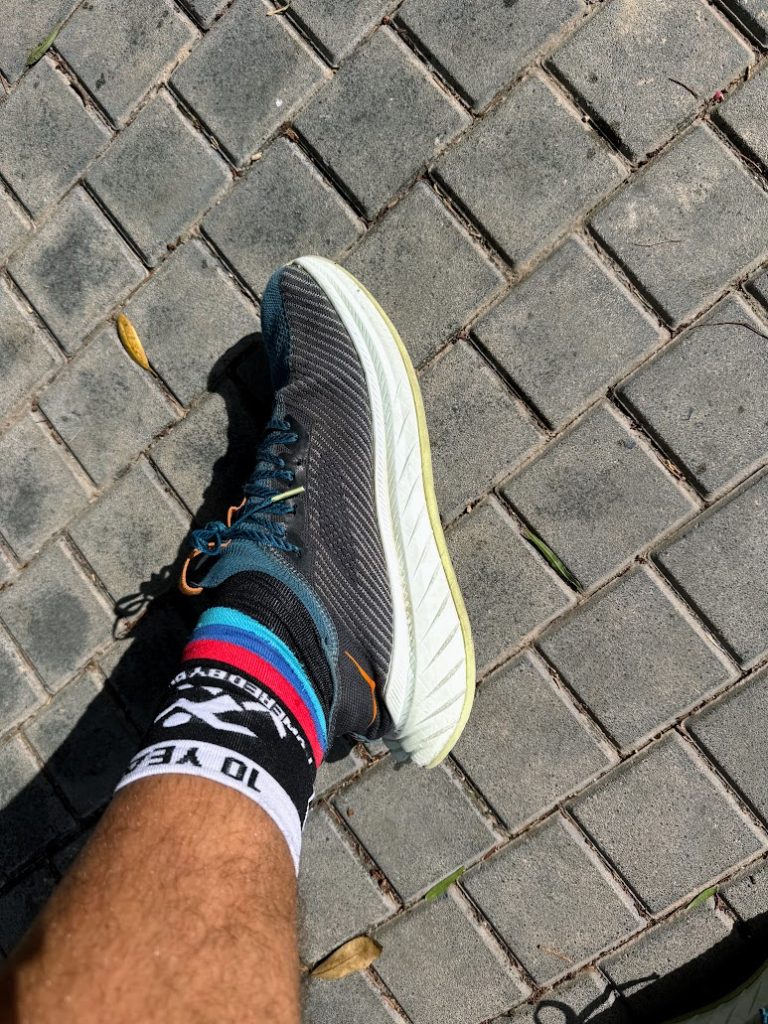
Hoka Carbon x3 used for long run

One of the standout features of the Carbon X3 is its lightweight design. Despite the ample cushioning, the shoe feels incredibly light on your feet, which is a game-changer for long runs. I remember during my Vilnius Half Marathon, these shoes made the difference between a good run and a great run. They offer just the right amount of support, preventing any unnecessary strain on your feet and legs. Here are some key points that make the Carbon X3 a top pick for long-distance runners:

  • Breathable Upper: Keeps your feet cool and dry, even on hot days.
  • Ample Cushioning: Provides excellent shock absorption, reducing the impact on your joints.
  • Snug Fit: Ensures your feet stay in place, minimizing the risk of blisters.
  • Lightweight Design: Helps maintain your energy levels over long distances.

If you’re looking to enhance your running performance, investing in a pair of Hoka Carbon X3 could be one of the smartest decisions you make. They not only offer exceptional comfort and fit but also contribute to better overall performance. For more tips on improving your running game, check out my post on 5 Key Training Techniques. Trust me, your feet will thank you!

Durability and Longevity Insights

Hey there, fellow runners! When it comes to investing in a pair of running shoes, durability and longevity are key factors we all look for, right? So, how does the Hoka Carbon X3 stack up after months of pounding the pavement? Let me share my experience. After running over 1000km in these shoes, I can confidently say that they hold up impressively well. I’ve taken them through various terrains—from smooth roads to rocky trails—and they’ve proven to be incredibly resilient. The outsole shows minimal wear, and the cushioning remains as supportive as it was on day one. I even wore them during a particularly grueling marathon, and they didn’t let me down!

One of the most remarkable aspects of the Hoka Carbon X3 is its upper material. It’s engineered to be both lightweight and durable, which is a rare combination. I’ve had shoes in the past where the upper would start to fray after a few months, but not with these. The breathable mesh still looks almost new, and the fit hasn’t stretched out at all. Here are some key points I’ve noticed:

  • Outsole Durability: Minimal wear even after 1000km.
  • Cushioning: Consistent support and comfort over time.
  • Upper Material: Lightweight, breathable, and retains its shape.

So, if you’re wondering whether the Hoka Carbon X3 can go the distance, my answer is a resounding yes. These shoes are built to last, making them a solid investment for any serious runner. Have you tried them yet? I’d love to hear about your experiences in the comments below!

Hoka Carbon X3: Comprehensive Long-Term Review for Runners Read More »

Race Review: Cyprus Half Marathon

Review: Cyrpus marThis weekend, I ran the 25th Cyprus Half Marathon as part of my training for the upcoming Barcelona Marathon, and I have to say it was a unique experience. The race was well-organized, with water stations every 3km. However, the course was a bit monotonous with multiple turnarounds, some hills, and running in the middle of nowhere. Nevertheless, the race was worth it as it provided an opportunity to explore a new country and its culture. There were around 3,000 runners, and I managed to improve my time by 2 minutes compared to my previous half marathon in Barcelona, despite being around 8kg overweight. Overall, I would recommend this race to anyone looking to combine a holiday with a half marathon experience.

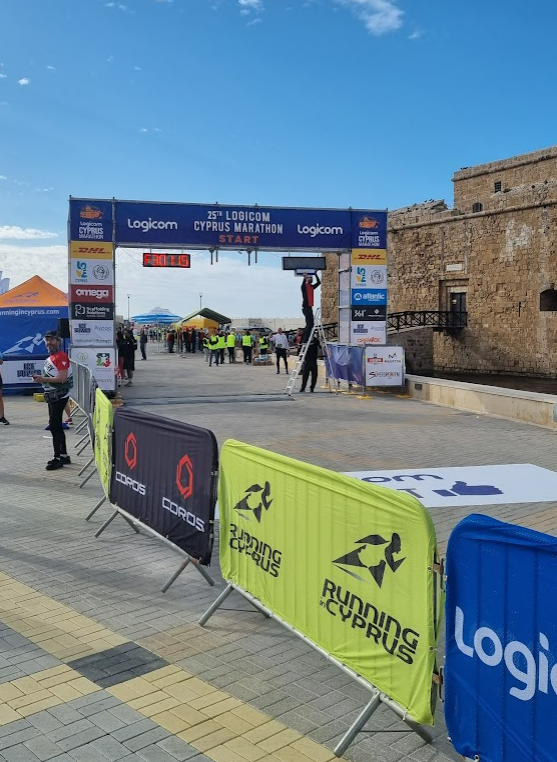
The starting line of the Cyprus half marathon is located at the ancient castle, a highly touristic and beautiful location in the city. The stunning views of the Mediterranean Sea, combined with the castle’s unique architecture, make it a perfect backdrop for the beginning of the race. It’s a great way to experience the local culture and history of Cyprus while also participating in a challenging athletic event. The energy and excitement at the starting line are palpable, and runners are sure to feel motivated and inspired to tackle the course ahead.

Start line cyprus half marathon

I ran the Cyprus half marathon wearing the Hoka One One Carbon X3, and it was an amazing experience. The shoes felt incredibly comfortable and light on my feet, and the cushioning provided just the right amount of support for the long-distance run. The Carbon X3 has a unique carbon fiber plate that helps with propulsion, which made a noticeable difference in my running stride. Overall, I was impressed with the shoes’ performance and would highly recommend them to any serious runner looking for a competitive edge.

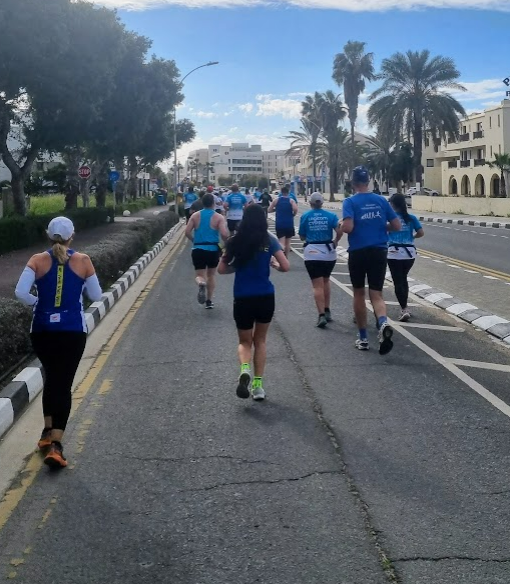
people running the Cyprus half marathon

Despite the monotony of the course, the temperature was ideal with a strong wind that didn’t hinder the race. The course had a few uphill sections, but nothing too difficult. However, I wouldn’t recommend it to those who are looking to set a personal best due to the many turns and lack of variety in the terrain. Overall, it’s a great race for those who want to experience the beautiful scenery of Cyprus and enjoy a well-organized event.

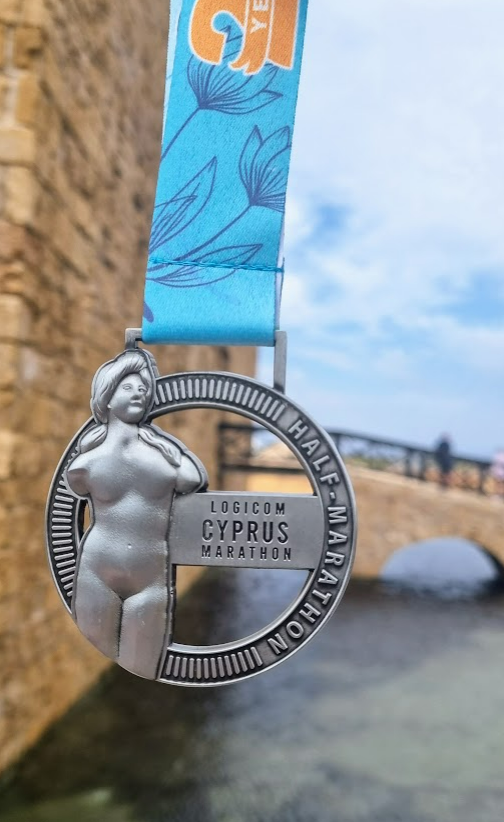
medal of 25th cyprus half marathon

Cyprus, is a small island country located in the Eastern Mediterranean. It is the third-largest island in the Mediterranean Sea and is known for its beautiful beaches, ancient ruins, and rich history. Cyprus has been inhabited since prehistoric times, and has been influenced by many different cultures throughout its history, including Greek, Roman, Byzantine, and Ottoman.

Today, Cyprus is a popular tourist destination, attracting millions of visitors each year. It has a warm, Mediterranean climate, with hot summers and mild winters, making it an ideal place for outdoor activities like running, hiking, and swimming. The island is also famous for its delicious cuisine, which features a blend of Greek, Turkish, and Middle Eastern flavors.

Race Review: Cyprus Half Marathon Read More »

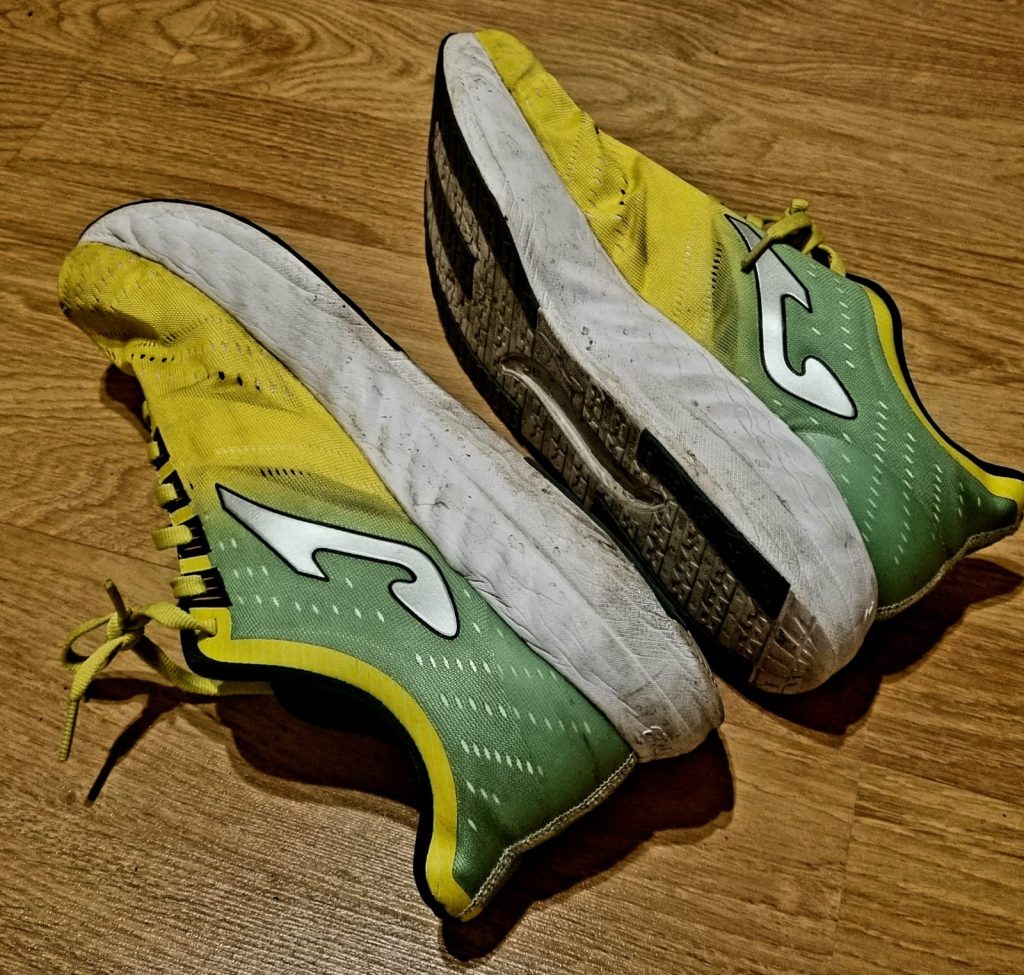
Experience the comfort and performance of Joma R3000

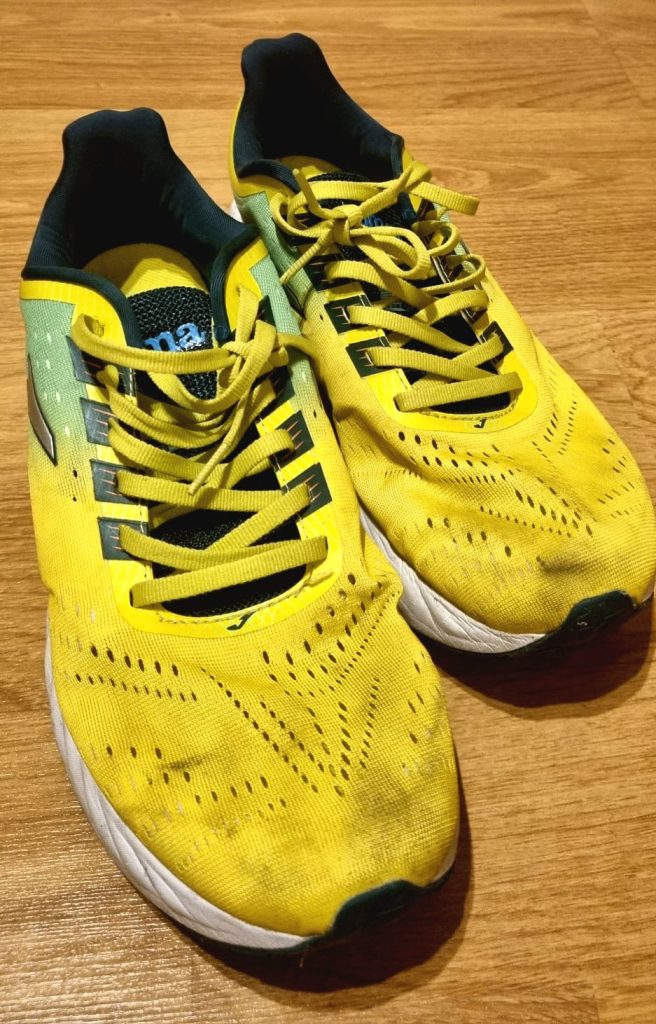
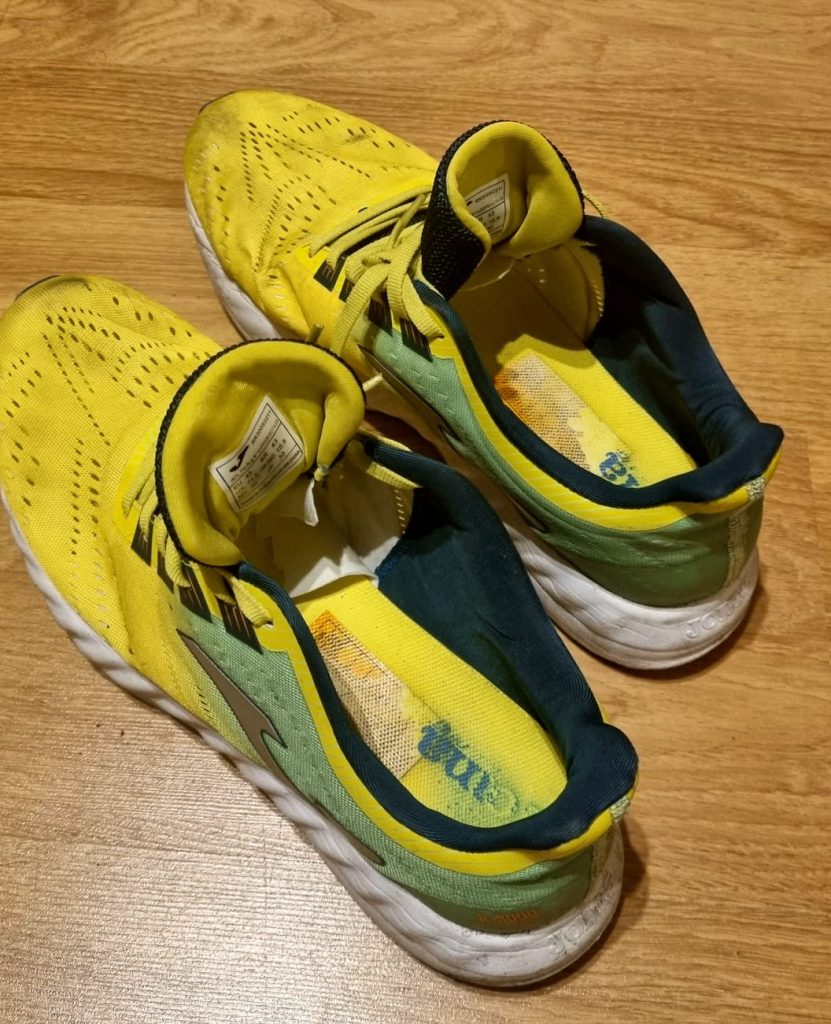
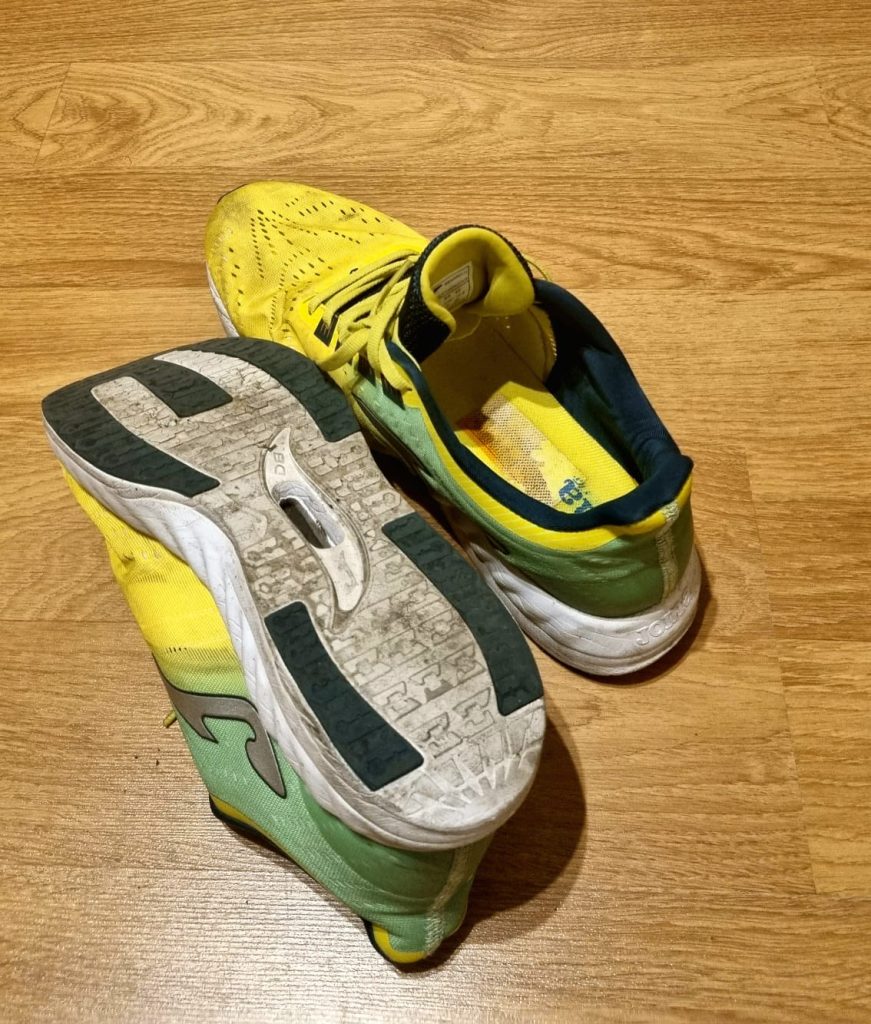
Joma, the Spanish brand, designed the latest innovation, the Joma R3000, for serious runners. If you want to improve your performance in mid to long distance races, this shoe is perfect for you. Its lightweight design makes you feel fast and nimble on the road.

What sets the Joma R3000 apart from other running shoes is its incorporation of a carbon fiber plate. This technology is what gives the R3000 its distinctive flying style and provides runners with a responsive and energetic ride. The carbon fiber plate helps to transfer energy from the ground to your feet, making it easier to maintain your pace and push yourself further, the carbon fiber plate also helps to reduce muscle fatigue and prevent injury. This is because the plate acts as a spring, absorbing the impact of each step and reducing the amount of stress placed on your muscles.

This makes the R3000 an ideal choice for runners who want to improve their performance and push their limits. Furthermore, the carbon fiber plate also provides a more stable platform for your foot, allowing you to maintain better control and balance as you run. Whether you’re a seasoned runner or just starting out, the Joma R3000 is a great option for anyone looking to up their game and experience the benefits of cutting-edge technology in their running shoes.

I also make sure to thoroughly test each shoe before writing a review. I believe that it’s important to get a real feel for the shoe and to see how it performs over time. That’s why I make a point to use each pair for at least 120 km before writing a review. This gives me an accurate idea of the shoe’s comfort, durability, and performance, and allows me to provide my readers with an informed and honest opinion. All of the photos in my reviews are taken of the shoes after they’ve been used for the full 120 km, so you can see the wear and tear for yourself.

The Joma R3000 impressed me with its combination of high-tech features and comfort. The shoes offer excellent cushioning, making them perfect for long runs and races. They also have a sleek and stylish silhouette that will make you stand out from the crowd.

After using the Joma R3000 for a few runs, I decided to remove the tongue support in the shoe. I found that this modification made the shoe even more comfortable for me, providing a more snug and personalized fit. The removal of the tongue support did not impact the performance or stability of the shoe.

Last weekend I ran the Barcelona Half Marathon with the Joma R3000 and that was an incredible experience. I had been training with these shoes for a few weeks leading up to the race, and I was impressed with how well they performed. The lightweight design and cushioning made it easy for me to tackle the 13.1-mile course, and I felt comfortable and supported throughout the entire race.

Training for a half marathon while being overweight can be a challenge, but with the right gear, it can make all the difference. After gaining 10kg during the pandemic, I’ve been on a mission to get back in shape and improve my running performance. The shoes offer both comfort and performance, making it easier for me to tackle my training runs and improve my speed.

The lightweight and cushioning design of the R3000 has made a noticeable difference in my overall running experience, and I’m confident that it will continue to help me achieve my running goals.

The carbon fiber plate on the Joma R3000 impressed me with its noticeable increase in speed and energy efficiency. I got a great boost in my training from the R3000, even though it was designed for lighter, faster runners and I’m currently overweight. The shoes helped me push harder and run faster without sacrificing comfort or stability.

I was able to complete the Barcelona half-marathon with a good time for the actual situation, and I know that the Joma R3000 played a big role in that achievement. Overall, I would highly recommend these shoes to any runner looking to improve their performance and reach their goals.

Strengths

Some points to choice the Joma R3000

  1. The lightweight design of the Joma R3000 makes it easier for runners to move quickly and maintain their pace.
  2. The carbon fiber plate provides a responsive and energetic ride, helping you to push yourself further and maintain your pace.
  3. The R3000 offers a comfortable fit, designed with runners in mind and providing a plush and supportive feel.
  4. Durable and long-lasting materials used in the construction of the shoe (using by 120 kms, and it’s like new)

Weaknesses

Not too good at all

  1. Price – The Joma R3000 can be more expensive than other running shoes on the market, which may not be affordable for all runners.
  2. Narrow fit – Some runners have reported that the R3000 has a narrow fit, which may not be suitable for those with wider feet.
  3. Limited color options – The R3000 is currently only available in a limited number of colors, which may not be suitable for all runners.
  4. May not be suitable for runners with wider feet, as the fit can be narrow.

Experience the comfort and performance of Joma R3000 Read More »

Completing the Barcelona Half Marathon: Race Review

Last weekend, I ran the Barcelona Half Marathon and it was an amazing experience! The course took us through the beautiful streets of Barcelona, past iconic landmarks and along the Mediterranean Sea. The atmosphere was electric, with thousands of runners from all over the world coming together to challenge themselves and celebrate the love of running.

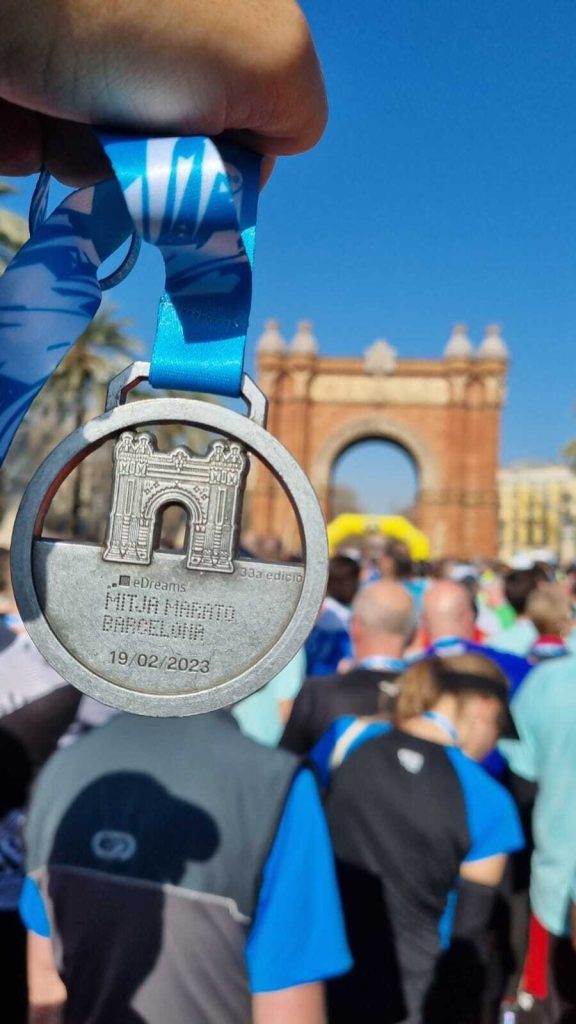
Medal of Barcelona Half Marathon 2023, Mitja Marato
Medal of Barcelona Half Marathon 2023

The race started at Arc de triomf and took us through some of the most historic and beautiful areas of the city. From there, we ran along the stunning Gran Via, one of Barcelona’s most famous streets lined with shops and cafes. The route also took us past La Sagrada Familia, the famous church designed by Antoni Gaudi, and along the Mediterranean Sea. The scenic views of the city and sea were breathtaking and made the run even more enjoyable. It was especially interesting for me as a local resident to run through the heart of the city and experience it from a different perspective. Running past the iconic Sagrada Familia and the bustling beaches of Barceloneta was truly unforgettable.

I trained for months leading up to the race, and it was all worth it when I crossed the finish line. The feeling of accomplishment and pride was incredible, and the support from the crowd was truly inspiring. The organizers did a fantastic job of putting on a well-organized and safe race, with water stations and medical support available along the route.

The Joma R3000

the Joma R3000 was the perfect shoe for the Barcelona Half Marathon. From the moment I put them on, I could feel the support and comfort they provided. The carbon plate technology in the sole of the shoe gave me the extra push I needed to keep going, especially during the latter stages of the race. The cushioning in the midsole was also top-notch, providing me with a smooth and comfortable ride from start to finish.

The design of the Joma R3000 was also a standout feature for me. The sleek and modern look of the shoe caught the attention of many of my fellow runners, and I received several compliments on the shoes throughout the race. The combination of performance and style made the Joma R3000 the perfect shoe for the Barcelona Half Marathon, and I would highly recommend them to anyone looking for a new pair of running shoes. Whether you’re a seasoned runner or just starting out, the Joma R3000 is sure to exceed your expectations.

Stryd

During the Barcelona Half Marathon, I also used a power meter from Stryd. This device helped me to monitor my running power and pace throughout the race, allowing me to make adjustments on the fly and ensure I was running at my optimal level. The Stryd power meter provides real-time data on my running performance, including my running power, stride length, cadence, and more. This information allowed me to make informed decisions during the race, such as adjusting my pace to conserve energy for the final stretch or pushing harder when I felt good.

Overall, using the Stryd power meter was a game-changer for me during the Barcelona Half Marathon. It gave me a new level of insight into my running performance and allowed me to run more efficiently and effectively. Whether you’re a beginner or an experienced runner, I highly recommend giving the Stryd power meter a try. It will help you to better understand your running performance and make the most of your training and racing.

If you’re a runner, I highly recommend participating in the Barcelona Half Marathon. It’s a great opportunity to challenge yourself and experience one of the most beautiful cities in the world. Whether you’re an experienced runner or a beginner, this race is a must-do for anyone who loves running and adventure.

Overall, running the Barcelona Half Marathon was an unforgettable experience, and I can’t wait to do it again. So, if you’re looking for a new challenge and an opportunity to explore one of the most beautiful cities in the world, I highly recommend checking out the Barcelona Half Marathon. You won’t be disappointed!

Completing the Barcelona Half Marathon: Race Review Read More »

Scroll to Top