
September 2024

Olympikus Grafeno 2 Review: The Running Shoe for Performance

Hey there, fellow runners! Have you ever wondered what it feels like to run on clouds? Well, you might just find out with the new Olympikus Grafeno 2. This Brazilian brand has outdone itself, using top-notch materials to create a running shoe that promises both comfort and performance. Have you been searching for that perfect pair to boost your training sessions or perhaps to conquer your next marathon? The Grafeno 2 might just be your new best friend.
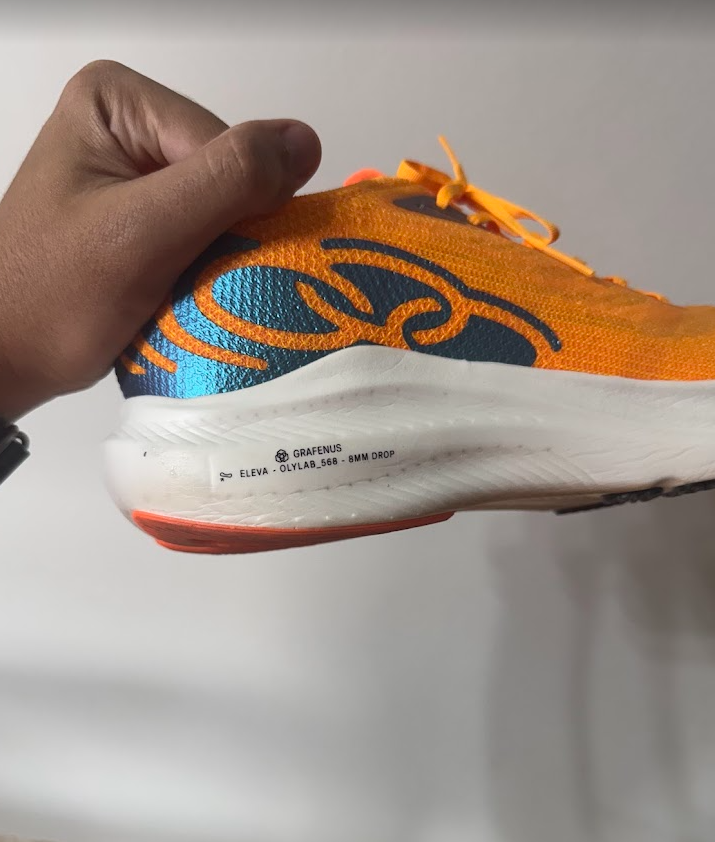
In this review, we’ll dive deep into what makes these shoes stand out. From the innovative graphene-infused sole to the high-quality construction, Olympikus has designed these shoes with serious runners in mind. Whether you’re a seasoned marathoner or just starting your running journey, you’ll find something to love here. So, lace up and let’s get into it!

Introduction to Olympikus Grafeno 2

Hey there, running enthusiasts! If you’re on the hunt for the ultimate running shoe that combines performance, comfort, and durability, then let me introduce you to the Olympikus Grafeno 2. This shoe has been a game-changer for me, and I’m excited to share why it might just be the perfect fit for you too.

First off, let’s talk about the design and build quality. The Grafeno 2 is crafted with meticulous attention to detail, featuring a sleek and modern look that’s sure to turn heads on your next run. It’s not just about aesthetics, though. The shoe is designed with advanced materials that provide superior support and flexibility, making each stride feel effortless. The upper mesh is breathable, keeping your feet cool and dry, while the reinforced heel and toe areas add an extra layer of durability.
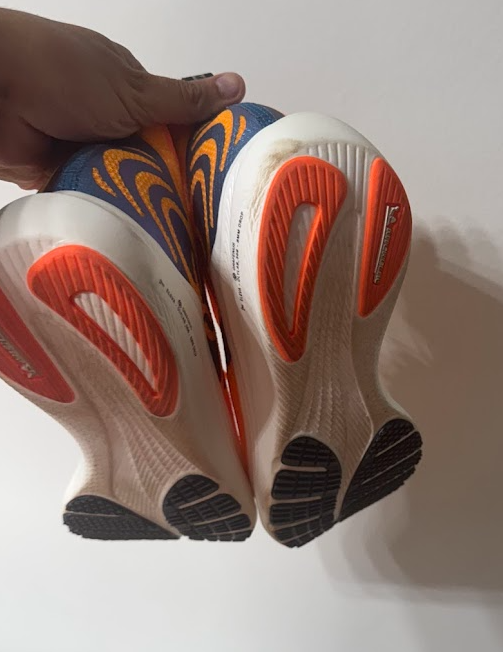
When it comes to performance and comfort, the Grafeno 2 truly shines. The midsole is equipped with cutting-edge cushioning technology that absorbs impact and provides a responsive feel, allowing you to maintain your pace without feeling fatigued. I’ve taken these shoes on both short sprints and long-distance runs, and they’ve consistently delivered top-notch performance. The padded collar and tongue add to the overall comfort, ensuring that you can focus on your run without any distractions.

Durability is another key factor, especially if you’re logging serious miles. The Grafeno 2’s outsole is made from a high-abrasion rubber that stands up to the wear and tear of daily running. I’ve put these shoes through their paces on a variety of terrains, from asphalt to trails, and they’ve held up remarkably well. Plus, the traction is fantastic, giving you confidence with each step.

So, should you give the Olympikus Grafeno 2 a try? Absolutely! Whether you’re a seasoned runner or just starting out, these shoes offer a perfect blend of style, comfort, and durability. Trust me, once you slip them on, you’ll wonder how you ever ran without them. Happy running!

Innovative Graphene-Infused Sole

One of the standout features of the Olympikus Grafeno 2 is its innovative graphene-infused sole. Graphene, a material that’s been making waves in the tech world, has found its way into the running shoe industry, and for good reason. This wonder material is 200 times stronger than steel and incredibly lightweight, making it the perfect addition to a high-performance running shoe. The graphene-infused sole of the Grafeno 2 provides unparalleled durability and flexibility, ensuring that your shoes can handle the rigors of intense training sessions and long-distance runs without breaking down.

But what does this mean for you, the runner? Imagine having a sole that not only cushions your every step but also propels you forward with each stride. The graphene infusion ensures that the sole remains responsive and resilient, offering excellent energy return that can make all the difference during those last few miles of a marathon. Plus, the enhanced grip provided by the graphene-infused sole means you can tackle various terrains with confidence, whether you’re running on wet city streets or rocky trails. It’s like having a secret weapon under your feet, ready to give you that extra boost whenever you need it.

Incorporating graphene into the sole isn’t just a gimmick; it’s a game-changer. For serious runners who demand the best in performance and durability, the Olympikus Grafeno 2’s innovative sole technology is a compelling reason to give these shoes a try. If you’re looking to elevate your running experience, these shoes might just be the perfect fit for you.

High-Quality Construction Details

When it comes to running shoes, the construction details can make or break your experience on the road or trail. The Olympikus Grafeno 2 excels in this area, offering high-quality construction that ensures both durability and comfort. One of the standout features is its meticulous stitching and seamless overlays, which not only enhance the shoe’s durability but also provide a sleek, modern look. You’ll appreciate the attention to detail that Olympikus has put into every stitch, making sure these shoes can withstand the rigors of intense training and long-distance running.
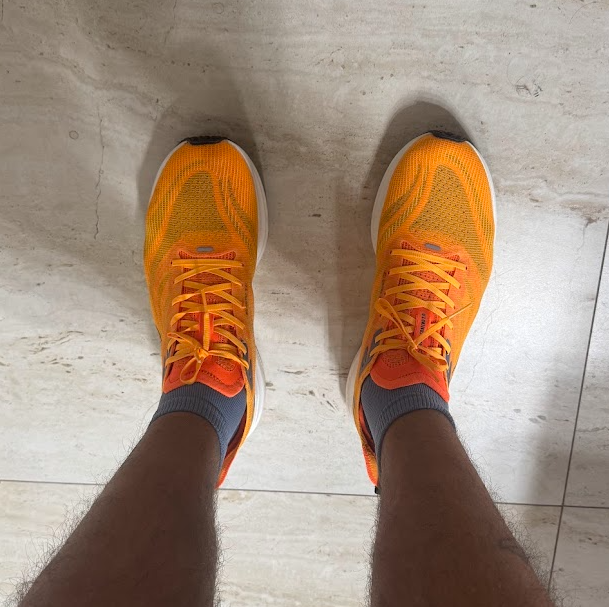
But what really sets the Grafeno 2 apart is its advanced materials. The upper is constructed from a breathable, yet sturdy mesh that allows for excellent ventilation, keeping your feet cool and dry even on the longest runs. This is complemented by strategically placed reinforcements that offer additional support without adding unnecessary weight. The midsole features a unique blend of cushioning compounds that provide a responsive yet cushioned ride, ensuring that each step feels just right. With the Olympikus Grafeno 2, you’re not just getting a shoe; you’re investing in a piece of engineering designed to elevate your running experience.

Comfort and Fit for Long Runs

When it comes to long runs, comfort and fit are absolutely crucial. The Olympikus Grafeno 2 doesn’t just promise comfort; it delivers it in spades. From the moment you slip your feet into these shoes, you’ll notice the plush cushioning that hugs your foot snugly yet comfortably. The interior is lined with a soft, breathable fabric that keeps your feet cool and dry, even on those sweltering summer runs. Have you ever had to cut a run short because of blisters or discomfort? With the Grafeno 2, those days are behind you.

The fit of the Grafeno 2 is something to marvel at. Thanks to the adaptive mesh upper, the shoe molds perfectly to the shape of your foot, offering a custom-like fit without any pressure points. This is particularly beneficial for long-distance runners who need a shoe that can adapt to minor swelling and changes in foot shape over the course of a run. Plus, the lacing system is designed to provide a secure yet flexible fit, so you won’t find yourself stopping mid-run to adjust your laces. Here’s a quick rundown of what makes the fit and comfort of these shoes top-notch:

  • Adaptive Mesh Upper: Provides a snug, customized fit.
  • Plush Cushioning: Ensures maximum comfort for long distances.
  • Breathable Fabric: Keeps your feet cool and dry.
  • Secure Lacing System: Offers a flexible yet secure fit.

So, whether you’re gearing up for a marathon or just enjoying a leisurely long run, the Olympikus Grafeno 2 is designed to keep you comfortable every step of the way. Give them a try, and you might just find that running on clouds isn’t such a far-fetched idea after all!

Why Serious Runners Love Grafeno 2

Why do serious runners keep raving about the Olympikus Grafeno 2? It’s simple—these shoes are a game-changer. Picture this: you’re out on your morning run, and every step feels like you’re gliding effortlessly over the pavement. That’s thanks to the innovative graphene-infused sole, which provides unparalleled grip and durability. This cutting-edge material not only ensures that your shoes last longer but also offers a level of responsiveness that can make all the difference in your performance. Trust me, once you experience the bounce and stability of the Grafeno 2, you’ll wonder how you ever ran without them.

But it’s not just the sole that makes these shoes a hit among serious runners. The design and build quality are top-notch, crafted with high-quality materials that promise both comfort and longevity. The breathable mesh upper keeps your feet cool and dry, no matter how intense your run gets. Plus, the snug yet flexible fit ensures that your feet are well-supported without feeling restricted. Whether you’re training for a marathon or just enjoying your daily jog, the Grafeno 2 adapts to your needs, providing consistent comfort and support. So, if you’re looking to elevate your running game, these shoes are definitely worth a try.

Related running shoe & gear reviews

Related review: Joma R3000 review.

Olympikus Grafeno 2 Review: The Running Shoe for Performance Read More »
LiveRun Half Marathon in Fortaleza

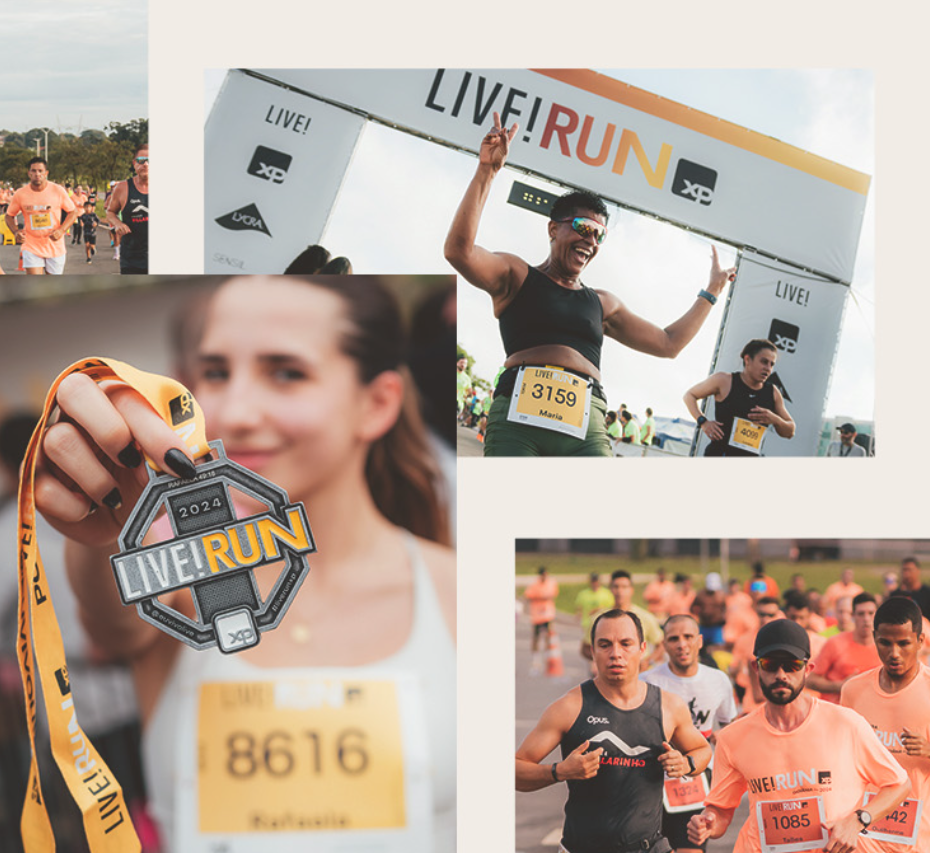
Hey there, fellow runners! Ever thought about tackling a half marathon in a stunning coastal city? Well, you’re in luck! This November, I’ll be running the half marathon in Fortaleza-CE, sponsored by XP Investimentos, and I couldn’t be more excited. Have you ever wondered what it takes to prepare for such an event? In this post, I’ll be sharing my personal training regimen, tips to maintain peak conditioning, and insights on how to make the most of your race day. Ready to lace up your shoes and join me on this journey? Let’s dive in and conquer this challenge together!

Enjoy Brazil Running

Running in Brazil offers a unique opportunity to explore this vibrant country in a way that few other activities can. Imagine starting your day with a scenic run along the stunning coastline of Fortaleza, where the sound of the waves provides a rhythmic backdrop to your strides. Not only does this allow you to immerse yourself in the local culture and natural beauty, but it also gives you a chance to bond with fellow runners and locals who share the same passion.

Combining your love for running with a family vacation is a win-win situation. While you prepare for the half marathon, your family can enjoy the myriad attractions Fortaleza has to offer, from its beautiful beaches to its lively markets. And after your runs, you can all come together to explore the city’s rich history and delicious cuisine. This way, you get to stay in peak condition for the race while making unforgettable memories with your loved ones. Plus, running is a fantastic way to maintain your fitness regimen even during the holidays, ensuring you return home feeling accomplished and rejuvenated. For more tips on balancing running with your busy life, check out this guide.

Essential Gear for Fortaleza Runners

Hey there, runner! If you’re gearing up for the half marathon in Fortaleza, let’s talk about the essential gear you’ll need to make the most of your race day. Running in a coastal city like Fortaleza can be both exhilarating and challenging, so having the right gear is crucial. Trust me, I’ve learned from experience that the right equipment can make a world of difference.

First things first, let’s talk about footwear. A reliable pair of running shoes is your best friend on this journey. Personally, I’ve been loving the ASICS Trabuco Gel 2. These hybrid shoes offer excellent support and cushioning, perfect for those long training runs and the big day itself. Make sure to break in your shoes well before the race to avoid any blisters or discomfort.

Next up, consider the weather. Fortaleza can be quite warm and humid, so moisture-wicking clothing is a must. Look for lightweight, breathable fabrics that help keep you cool and dry. Don’t forget a good pair of running socks to prevent chafing and blisters. A hat or visor and sunglasses will protect you from the sun, while a running belt can hold your essentials like energy gels, keys, and your phone.

Hydration is key, especially in a tropical climate. A handheld water bottle or a hydration vest can keep you refreshed throughout your run. If you’re like me and prefer not to carry too much, plan your route to include water stations or fountains. Lastly, consider a good GPS watch to track your pace and distance, helping you stay on target with your race day strategy.

Remember, every runner is different, so test out your gear during training to find what works best for you. With the right preparation, you’ll be ready to tackle that half marathon in Fortaleza with confidence. Happy running!

Nutrition Tips for Peak Performance

Hey there, running enthusiasts! As we gear up for the half marathon in Fortaleza, it’s crucial to focus on nutrition to fuel our bodies for peak performance. Ever wondered what you should be eating to get the most out of your training? Let me share some tried-and-true nutrition tips that have helped me stay energized and strong during my preparation.

First off, let’s talk about the importance of a balanced diet. Your meals should be rich in carbohydrates, proteins, and healthy fats. Carbs are your primary energy source, so don’t shy away from whole grains, fruits, and vegetables. Proteins are essential for muscle repair and recovery, so make sure you’re getting enough lean meats, beans, and dairy. And don’t forget about healthy fats from sources like avocados, nuts, and olive oil—they’re vital for sustained energy levels. Here are some key tips:

  • Pre-Run Fuel: About 2-3 hours before your run, opt for a meal that’s high in carbs and moderate in protein. Think oatmeal with bananas or a whole-grain toast with peanut butter.
  • Hydration: Staying hydrated is non-negotiable, especially in a humid city like Fortaleza. Carry a water bottle with you and sip throughout the day. Consider adding electrolytes to your water to replace what you lose through sweat.
  • Post-Run Recovery: After your run, refuel with a mix of carbs and protein within 30 minutes. A smoothie with Greek yogurt, berries, and a handful of spinach is a fantastic option.
  • Superfoods: Incorporate superfoods like açaí into your diet. Did you know that açaí is packed with antioxidants and can help reduce inflammation? Check out this post on açaí for runners to learn more about its benefits.

Remember, every runner is different, so it’s important to listen to your body and adjust your nutrition plan as needed. Experiment with different foods during your training runs to see what works best for you. And most importantly, enjoy the journey! There’s something incredibly rewarding about nourishing your body with the right foods and seeing the results in your performance. Let’s make this half marathon in Fortaleza an unforgettable experience, fueled by the best nutrition choices!

Post-Race Recovery and Care

Congratulations on crossing the finish line! Now that you’ve conquered the half marathon in Fortaleza, it’s crucial to focus on your post-race recovery and care. Trust me, your body will thank you for it. First things first, rehydrate! The coastal humidity can take a toll on your hydration levels, so make sure to drink plenty of water and consider electrolyte-rich beverages to replenish lost minerals. If you need tips on staying hydrated, check out my summer training guide.

Next, it’s time to think about nutrition. Your muscles have worked hard, and they need the right fuel to recover. Opt for a balanced meal rich in proteins, carbs, and healthy fats. A smoothie with protein powder, fruits, and a handful of nuts can be a quick and effective option. Don’t forget to include anti-inflammatory foods like berries and leafy greens to help reduce muscle soreness.

Another critical aspect of recovery is rest. While it might be tempting to jump back into your regular routine, give your body some downtime. Consider light activities like walking or swimming, which can aid in muscle recovery without adding extra strain. Swimming, in particular, is an excellent form of cross-training that I highly recommend. If you’re curious, you can read more about the benefits of swimming for runners in my detailed article.

Lastly, listen to your body. If you feel any unusual pain or discomfort, don’t hesitate to consult a healthcare professional. Remember, recovery is just as important as training. By taking these steps, you’ll ensure that you’re not only ready for your next race but also maintaining your overall health and well-being.

Race & marathon reviews

LiveRun Half Marathon in Fortaleza Read More »

Triathlon Training: Tips for Running, Swimming, Cycling

Hey there, fellow fitness enthusiast! Are you ready to take your training to the next level? Whether you’re a seasoned runner looking to diversify your workouts or a complete newbie curious about triathlons, you’ve come to the right place. Here at Running with Joe, we’re more than just a running resource; we’re your go-to guide for all things fitness. Imagine the thrill of mastering not just one, but three sports – swimming, cycling, and running – all in one epic race. Intrigued? Well, buckle up, because in this ultimate guide, we’re diving deep into the world of triathlon training with tips and tricks that will help you conquer each leg of the race. Ready to transform your routine and tackle new challenges? Let’s get started!

Introduction to Triathlon Training

Welcome to the exciting world of triathlon training! If you’re here, you’re probably someone who loves a good challenge and thrives on pushing your limits. Triathlons are the perfect way to do just that, as they combine swimming, cycling, and running into one adrenaline-pumping event. But where do you start? It’s all about building a comprehensive training plan that balances these three disciplines while keeping you injury-free and motivated.

First things first, let’s talk about injury prevention. When training for a triathlon, it’s crucial to listen to your body and incorporate recovery days into your schedule. Overuse injuries are common, especially if you’re new to one or more of the sports involved. Make sure to stretch, foam roll, and get adequate rest to keep your body in top form. Remember, consistency is key, but so is staying healthy.

Now, onto the fun part – the training itself! Each leg of the triathlon requires a unique set of skills and techniques. For swimming, focus on improving your stroke efficiency and breathing techniques. Consider joining a local swim club or hiring a coach to fine-tune your form. When it comes to cycling, invest in a good quality bike and practice your transitions to make them as smooth as possible. Finally, for running, integrate interval training and long-distance runs to build both speed and endurance. Don’t forget to mix in some strength training and flexibility exercises to round out your program.

Feeling overwhelmed? Don’t be! Break your training down into manageable chunks and set small, achievable goals. Celebrate your progress along the way, and don’t hesitate to reach out to the triathlon community for support and advice. Remember, every athlete was once a beginner, and with dedication and the right approach, you’ll be crossing that finish line before you know it. Ready to dive in? Let’s make this triathlon your next big adventure!

Essential Gear for Triathletes

Alright, let’s talk about gear! If you’re diving into the world of triathlons, having the right equipment can make a world of difference. Trust me, I’ve been there – the right gear can transform your race day experience from a struggle to a triumph. First off, let’s talk about wearable tech. A reliable smartwatch is essential for tracking your performance across all three disciplines. Whether you’re team Garmin or an Apple Watch aficionado, having a device that monitors your heart rate, distance, and even your swimming strokes can give you that competitive edge. If you’re still on the fence, check out our detailed review of the Apple Watch Ultra to see if it fits your needs.

Next up, let’s dive into swimming gear. A high-quality wetsuit is a must, especially if you’re competing in cooler waters. Look for one that offers flexibility and buoyancy without restricting your movement. And don’t forget about your goggles – you need a pair that provides clear vision and a snug fit to keep water out. For more on why swimming is such a fantastic cross-training activity, you might find our article on swimming for runners insightful.

When it comes to cycling, the right bike can make or break your race. Investing in a good road bike that’s tailored to your body measurements is crucial. And let’s not forget about indoor training. Platforms like Zwift can turn your indoor cycling sessions into interactive, engaging workouts. If you’re looking to level up your indoor cycling game, check out our guide on Zwift workouts.

Lastly, running shoes – the foundation of any triathlete’s gear arsenal. Choose a pair that offers comfort, support, and durability. Remember, your feet are your best friends on race day, so treat them well! And while you’re at it, consider getting some quick-dry, moisture-wicking apparel to keep you comfortable across all three stages.

In summary, investing in the right gear can significantly enhance your triathlon experience. From smartwatches and wetsuits to bikes and running shoes, each piece of equipment plays a vital role in your training and race day performance. So gear up, train hard, and get ready to crush your next triathlon!

Swimming Techniques for Triathletes

When it comes to triathlons, mastering swimming techniques can be a game-changer. Unlike running and cycling, which many of us have been doing since we were kids, swimming often feels like venturing into uncharted waters. But don’t worry! With a few key strategies, you can turn the swim leg from a daunting challenge into a confident start to your race. First, focus on your breathing. Proper breathing techniques can dramatically improve your efficiency and reduce fatigue. Try bilateral breathing – breathing on both sides – to balance your stroke and stay aware of your surroundings. If you’re new to this, start by practicing in the pool until it becomes second nature.

Another critical aspect is your body position. Aim to keep your body as horizontal as possible to minimize drag. Think of your body as a seesaw; your head position can affect your entire alignment. Keep your head in a neutral position, looking straight down or slightly ahead. Also, don’t underestimate the power of a strong kick. While it might not propel you as much as your arms, a steady flutter kick helps maintain balance and streamline your body. For a deep dive into why swimming is such a beneficial cross-training activity, check out our detailed guide on why cross-training in the water works wonders.

To make your training even more effective, incorporate drills that target specific aspects of your stroke. Here are a few to get you started:

  • Catch-Up Drill: Focus on one arm completing the stroke before the other begins. This helps improve your stroke timing and coordination.
  • Fingertip Drag: Drag your fingertips through the water during the recovery phase to ensure high elbows and proper hand entry.
  • Kicking Drills: Use a kickboard to isolate and strengthen your kick, ensuring it’s both strong and efficient.

Remember, consistency is key. Regular practice, combined with these techniques, will build your confidence and performance in the water. And who knows? You might even find that swimming becomes your favorite part of the triathlon. Keep pushing your limits and enjoy the journey!

Cycling Strategies for Triathlon

Alright, let’s talk about cycling strategies for triathlon. Whether you’re a seasoned cyclist or just getting started, this leg of the race is all about efficiency and endurance. Picture this: you’re out on the open road, the wind in your face, and the finish line just a few miles away. How do you make sure you’re not only surviving but thriving? Well, it’s all about smart training and a few key strategies.

First things first, let’s focus on your bike setup. A well-fitted bike can make all the difference in the world. Make sure your saddle height is just right, your handlebars are comfortably positioned, and your pedals are suited to your riding style. Also, don’t forget about aerodynamics. Investing in aero bars can help reduce wind resistance and save precious energy. Speaking of energy, fueling is crucial. Have you ever hit the wall mid-ride? It’s no fun, trust me. Keep those energy levels up with a balanced mix of carbohydrates, proteins, and electrolytes. Hydration is equally important, so make sure you have easy access to water or sports drinks throughout your ride.

Now, let’s talk about pacing. It’s tempting to go all out at the start, especially when you’re feeling fresh, but remember, triathlons are a marathon, not a sprint. Maintain a steady pace that you can sustain over the entire course. Incorporate interval training into your routine to build both speed and endurance. For instance, try alternating between high-intensity bursts and moderate recovery periods during your rides. This not only improves your stamina but also prepares you for the varied demands of a triathlon course. And don’t forget about brick workouts – combining cycling with running in a single training session. These are fantastic for getting your legs used to the transition between disciplines, making that shift from bike to run feel a lot smoother on race day.

Lastly, let’s not overlook the mental game. Cycling can be as much a mental challenge as a physical one. Visualization techniques can be incredibly powerful. Picture yourself conquering those hills, maintaining your pace, and crossing the finish line strong. Positive self-talk and setting small, achievable goals throughout your ride can keep you motivated and focused. Remember, every pedal stroke brings you one step closer to that triumphant finish.

Cross-training for runners

Triathlon Training: Tips for Running, Swimming, Cycling Read More »

Beach Running: Tips for an Workout in the Sand

Hey there, fellow runner! Have you ever felt the soft sand between your toes and thought, “Could this be the perfect backdrop for an invigorating workout?” You’re not alone! Running on the beach isn’t just about the stunning views and the refreshing sea breeze—it’s a fantastic way to challenge your body and elevate your training game. Whether you’re a seasoned marathoner or just starting your running journey, our latest blog post, ‘Beach Running Bliss: Tips for an Ultimate Coastal Workout Experience’, is packed with practical tips and personal insights to help you make the most out of your beach runs. So, lace up your shoes, and let’s dive into the sandy adventure together!

Introduction to Beach Running Benefits

Running on the beach offers a unique blend of challenges and rewards that you simply can’t find on pavement or trails. One of the most significant benefits is the softer surface, which can be gentler on your joints. If you’ve ever dealt with knee or ankle pain, you know how crucial it is to find ways to minimize impact. The sand absorbs more shock than harder surfaces, making each stride a bit kinder to your body. Plus, the uneven terrain of the beach works your stabilizing muscles more intensely, giving you a more comprehensive workout. Imagine the strength you’ll gain in your calves, quads, and core just by tackling those sandy stretches!

But let’s not forget the mental boost that comes with a beach run. There’s something incredibly freeing about the expansive ocean views and the rhythmic sound of waves crashing beside you. It’s like a natural stress reliever, turning your workout into a mini vacation for your mind. And who doesn’t need that? The fresh sea air can also improve your lung function, giving you a fuller, more satisfying breath with each inhale. If you’re looking to mix up your routine, beach running can reignite your passion for the sport and keep you motivated. So why not give it a try? Your body and mind will thank you.

Essential Gear for Coastal Workouts

When it comes to beach running, having the right gear can make all the difference in your workout experience. The unique environment of the beach presents both opportunities and challenges, so it’s essential to be well-prepared. Let’s dive into the must-have gear that will help you get the most out of your coastal runs!

First and foremost, let’s talk footwear. While the idea of running barefoot on the sand sounds appealing, it’s not always the best option, especially for longer runs. Sand can be unpredictable, and stepping on sharp objects or hot surfaces can quickly turn your blissful run into a painful experience. Opt for lightweight, breathable running shoes with a good grip to navigate both wet and dry sand. These will provide the necessary support and protection for your feet while still allowing you to feel the natural terrain beneath you.

  • Footwear: Lightweight, breathable running shoes with a good grip
  • Apparel: Moisture-wicking, UV-protective clothing
  • Hydration: A portable water bottle or hydration pack
  • Sun Protection: Sunscreen, sunglasses, and a hat or visor
  • Tech Gear: Waterproof fitness tracker or smartwatch

Next up is your apparel. The beach sun can be intense, so wearing moisture-wicking, UV-protective clothing is a must. This will help keep you cool and protect your skin from harmful rays. Don’t forget a hat or visor and sunglasses to shield your eyes from the glare. And of course, slather on that sunscreen! Even on cloudy days, UV rays can penetrate and cause sunburn.

Hydration is crucial, especially when running in the heat. A portable water bottle or a hydration pack can be a lifesaver. Make sure to take small sips regularly to stay hydrated without feeling weighed down. And for those who love to track their progress, a waterproof fitness tracker or smartwatch can be a great addition to your gear. It will help you monitor your distance, pace, and even your heart rate, all while being resistant to sand and water.

By equipping yourself with the right gear, you’ll be well on your way to enjoying a safe, effective, and exhilarating beach running experience. So, next time you head out for a coastal workout, make sure you’re prepared to tackle the sand with confidence and style!

Effective Techniques for Beach Running

Running on the beach offers a unique set of challenges and rewards. To make the most of your coastal workouts, it’s essential to incorporate effective techniques that optimize your performance while minimizing the risk of injury. One of the first things to consider is your running surface. The beach provides a variety of terrains—from soft, dry sand to firmer, wet sand near the shoreline. Each surface engages different muscle groups and affects your running mechanics differently. For a balanced workout, try alternating between these surfaces. Running on soft sand can be more strenuous and great for building strength, while firmer sand can be easier on the joints and better for speed work.

Another key technique is to adjust your running form. On softer sand, shorten your stride to maintain stability and reduce the risk of tripping or twisting an ankle. Pay attention to your posture, keeping your core engaged and your shoulders relaxed. This will help you maintain balance and prevent fatigue. Additionally, since beach running can be more taxing on your body, it’s crucial to listen to your body and not push too hard too soon. Incorporate interval training to gradually build up your endurance. For instance, you could try a pattern of two minutes of running followed by one minute of walking, gradually increasing the running intervals over time.

Lastly, don’t forget the importance of proper warm-up and cool-down routines. Given the uneven and shifting nature of sand, your muscles and joints need to be adequately prepared to handle the extra workload. Dynamic stretches, such as leg swings and walking lunges, can be particularly effective. After your run, take the time to stretch and hydrate to aid in recovery. You might find our injury prevention techniques helpful in maintaining your running regimen without setbacks. Remember, beach running is as much about enjoying the experience as it is about the workout, so take a moment to soak in the scenery and enjoy the fresh sea breeze!

Safety Tips for Running on the Sand

Running on the sand is an exhilarating experience, but it does come with its own set of challenges. To ensure your beach run is both enjoyable and safe, here are some essential safety tips to keep in mind.

First and foremost, always be aware of your surroundings. The beach is a dynamic environment with constantly changing conditions. Keep an eye out for obstacles like shells, rocks, and even uneven sand that could cause you to trip or twist an ankle. Running closer to the water can offer firmer sand, but be cautious of incoming waves that might catch you off guard. Additionally, consider the tide schedule; running during low tide will give you more space and firmer ground to run on.

Another important aspect is to listen to your body. Beach running can be more taxing on your muscles and joints due to the softer, uneven surface. Start with shorter distances and gradually increase your mileage as your body adapts. Pay attention to any signs of discomfort or pain, and don’t hesitate to take breaks or switch to a walk if needed. Remember, it’s all about finding a balance and enjoying the experience without pushing yourself too hard.

Hydration is key, especially when running in the sun and sand. The beach environment can quickly dehydrate you, so make sure to bring plenty of water and take regular sips throughout your run. For more tips on staying hydrated during your summer training, check out our guide on staying hydrated.

Lastly, protect your skin from the sun’s harsh rays. Wear sunscreen, a hat, and sunglasses to shield yourself from UV exposure. Running early in the morning or later in the evening can also help you avoid the peak sun hours. By taking these precautions, you can enjoy the beauty of beach running while keeping yourself safe and healthy.

Post-Run Recovery and Hydration Tips

After a fulfilling beach run, your body deserves some TLC to recover and rehydrate effectively. One of the first things you should do is cool down properly. Take a few minutes to walk along the shoreline, allowing your heart rate to gradually return to normal. This also gives your muscles a chance to relax after the intense workout. Stretching is another crucial step—focus on your calves, hamstrings, and quads to prevent stiffness and soreness the next day. Remember, the sand adds extra resistance, so your muscles have worked harder than they would on a regular run.

Hydration is key, especially after running under the sun. Make sure to drink plenty of water to replenish the fluids lost through sweat. Consider incorporating a natural electrolyte drink, like coconut water, to restore essential minerals. If you’re looking for a post-run snack, why not try açaí? This Brazilian superfood is packed with antioxidants and can help reduce inflammation, making it an excellent choice for recovery. You can blend it into a smoothie with some bananas, berries, and a splash of almond milk for a refreshing and nutritious treat.

Here are some quick tips for post-run recovery:

  • Cool Down: Walk for a few minutes and stretch major muscle groups.
  • Hydrate: Drink water and consider natural electrolyte drinks.
  • Refuel: Opt for nutrient-dense snacks like açaí bowls or smoothies.
  • Rest: Give your body ample time to recover, especially if you’re new to beach running.

Taking these steps will not only help you recover faster but also enhance your overall running performance. So, next time you finish a beach run, treat your body well—it’s earned it!

Related: how to start running while overweight.

Beach Running: Tips for an Workout in the Sand Read More »

Scroll to Top