May 2024

Enhancing Your Running Performance: 5 Key Training Techniques

Are you looking to shave minutes off your marathon time or simply improve your running efficiency? Enhancing your performance isn’t just about putting in more miles—it’s about training smarter. In this guide, we’ll explore five crucial training techniques that can help boost your running performance, focusing on strategies proven to yield results. Whether you’re preparing for a marathon or just looking to improve your daily jog, these tips are for you.


Interval Training: Boost Speed and Endurance

Interval training is a powerful tool for runners aiming to increase speed and endurance. By alternating between high-intensity bursts and low-intensity recovery periods, you can improve your cardiovascular efficiency, which is crucial for long-distance events. Start with sessions like 400-meter repeats at a fast pace, followed by equal or slightly longer recovery periods. Incorporate these workouts into your routine twice a week to start seeing significant improvements in your pace and stamina, you can use this trainning on your garmin watch.

Why It Works: The science behind interval training shows that it helps increase VO2 max—the maximum amount of oxygen your body can use during intense exercise. This is a key factor in enhancing endurance and overall running performance. Plus, interval training can also elevate your lactate threshold, allowing you to sustain higher speeds for longer periods.


improve your running Performance

Tempo Runs: Find Your Racing Rhythm

Tempo runs, or threshold runs, are designed to train your body to sustain speed over distance. These sessions involve running at a challenging but manageable pace—just outside your comfort zone—for 20 to 40 minutes. Tempo runs are crucial for teaching your body to push through fatigue, a necessary skill for any competitive runner.

Benefits of Tempo Running: Consistently incorporating tempo runs into your training can improve your metabolic fitness by increasing your lactate threshold. This means you’ll be able to run faster, longer, without hitting the proverbial ‘wall.’ Tempo runs also condition your mind to endure discomfort, a valuable trait during the late stages of races.

Long Runs: Enhance Endurance and Mental Toughness

Long runs are the backbone of any serious running program. They help your body adapt to prolonged stresses and improve your fat metabolism, crucial for long-distance races. Schedule a long run once a week, gradually increasing the distance to build endurance progressively.

Long Run Benefits: Aside from physiological benefits, long runs are excellent for mental training. They teach you to cope with fatigue and discomfort, essential skills for marathon running or any long-distance challenge. Furthermore, they help you fine-tune your pacing strategy and nutritional plan, which are critical components of race day success.

Recovery: Optimize Performance with Adequate Rest

Recovery is as vital as the workouts themselves. Adequate rest, including easy days and complete off days, allows your body to repair and strengthen. Incorporate active recovery sessions, such as light jogging or swimming, and consider yoga or stretching to improve flexibility and reduce injury risk.

The Role of Recovery: Ignoring recovery can lead to overtraining, injuries, and burnout. By prioritizing rest, you ensure that you approach each workout with maximum energy and minimal fatigue, leading to more effective training sessions and better performance on race day.

Implementing these five training techniques will not only help you improve your running performance but also keep your workouts varied and exciting. Remember, consistency is key in seeing results, and integrating these practices into your routine will ensure you achieve your running goals. Whether you’re a seasoned marathoner or a casual jogger, there’s always room to improve your performance with the right training strategies. Keep pushing your limits, and you’ll see your efforts pay off in no time!

Training & injury prevention

Enhancing Your Running Performance: 5 Key Training Techniques Read More »

Running Through History: The Vilnius Half Marathon Experience

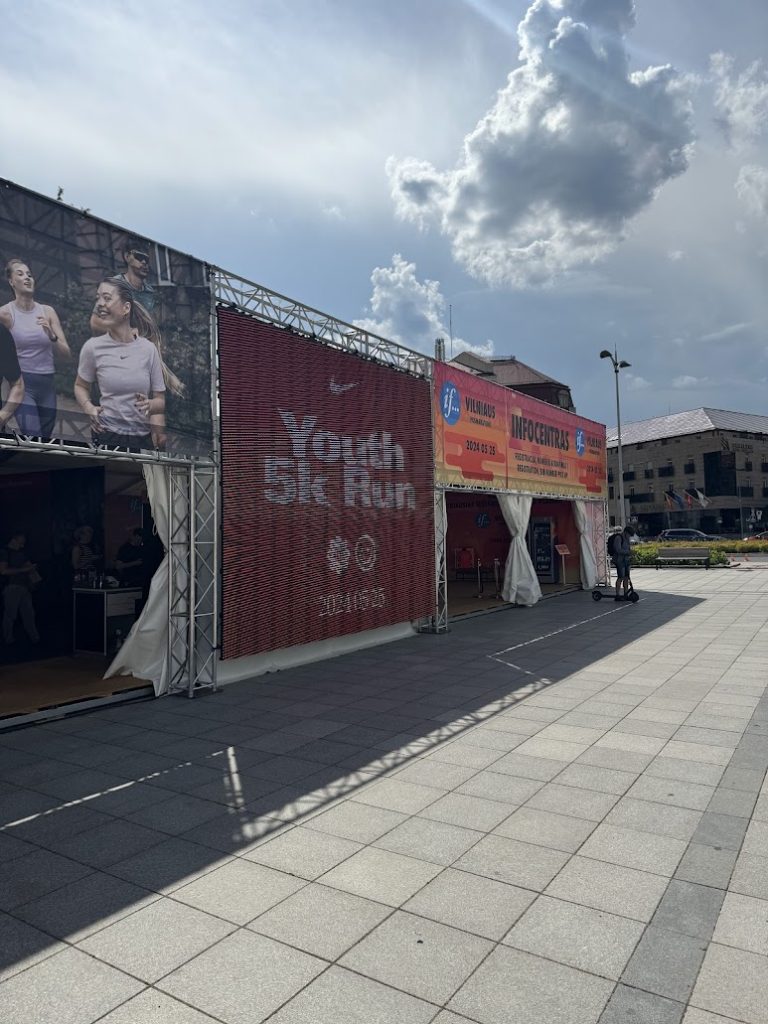
I recently had the incredible opportunity to run the Vilnius Half Marathon, held on May 25, 2024, in the stunning capital of Lithuania. As a travel and running enthusiast, I make it a point to combine my love for both in each trip. Arriving three days before the event, I immersed myself in the city’s rich culture and history, setting the stage for a truly memorable race experience.

Pre-Race Exploration

Vilnius, a city steeped in history and bursting with a vibrant cultural tapestry, offered the perfect backdrop for my pre-race exploration. Known for its stunning blend of Gothic, Renaissance, Baroque, and Classical architecture, the city feels like a walk through a living museum. My visits to iconic landmarks began with the Gediminas Castle Tower, an emblematic symbol of Vilnius’s historical and cultural significance. From its summit, I was treated to breathtaking panoramic views that spanned the entire old town, a mosaic of terracotta roofs and spires that seemed to tell stories of the past.

Vilnius old city

Race Day Experience: A Journey Through Vilnius

The Vilnius Half Marathon was more than a mere race; it was a profound celebration of endurance, community, and the rich tapestry of Vilnius’ history. The preparation went into my training for this event, involving a structured regimen of long runs, interval training, and careful nutrition planning to ensure I was in peak condition to take on the 21-kilometer challenge. As the race day approached, my anticipation grew, not just for the physical test but for the cultural immersion that awaited.

The racecourse itself was a thoughtfully curated tour of the city’s heritage, blending the old with the new. It began in the vibrant heart of the city center, bustling with morning activities, and soon transitioned into a labyrinth of quaint, cobbled lanes that whispered tales of the medieval era under the shadow of historic architecture. The route offered a stark contrast as it unfolded into the wide, modern avenues that showcased the city’s contemporary spirit. Among the architectural gems on our path was the majestic Vilnius Cathedral, standing as a beacon of Lithuanian pride, and the lively Pilies Street, a hub of local culture with its vibrant cafes and unique artisan shops. This meticulously planned course not only challenged our physical limits but also connected us deeply with the soul of Vilnius, making every step a discovery and every mile a memory.

Culinary Delights: Savoring Vilnius

In the days leading up to the race, I indulged in the culinary offerings of Vilnius, which were as integral to my visit as the marathon itself. Lithuanian cuisine, with its rich flavors and hearty ingredients, was a delight. I particularly enjoyed cepelinai, large potato dumplings stuffed with meat, served with creamy sauces or sour cream—an ideal carb-load meal. Another favorite was šaltibarščiai, a refreshing cold beet soup that was perfect for the summer weather.

Each meal was an opportunity to engage with locals, who were eager to share stories about their food and its origins. The restaurants, often family-run, exuded a cozy charm, making each dining experience feel like a meal with family. From quaint cafes tucked away in alleys to bustling marketplaces offering fresh, local produce, Vilnius presented a palette that was as diverse as its landscape, ensuring that each meal was not just nourishing, but also a learning experience.

Vilnius half marathon starting

Cultural Immersion: Connecting with Lithuanian Heritage

The cultural vibrancy of Vilnius was on full display throughout my visit. The folk festivals were particularly mesmerizing. Attending these events allowed me to see traditional Lithuanian culture in action—dancers in colorful costumes performing ancient dances, musicians playing traditional instruments, and artisans showcasing their crafts. These festivals were more than just entertainment; they were a celebration of Lithuanian identity and heritage.

This immersion into the local culture provided a poignant counterbalance to the physical demands of the marathon. It was a reminder of the power of travel to not only challenge the body but also enrich the soul. Engaging with the local traditions and the people who preserve them offered a unique perspective on Lithuania, one that went beyond the typical tourist experience to foster a genuine connection with the place and its history. This deep dive into the cultural heart of Lithuania made the trip truly transformative, highlighting the unique bond between the physical journey of the marathon and the cultural journey through Lithuanian life.

Race & marathon reviews

Running Through History: The Vilnius Half Marathon Experience Read More »

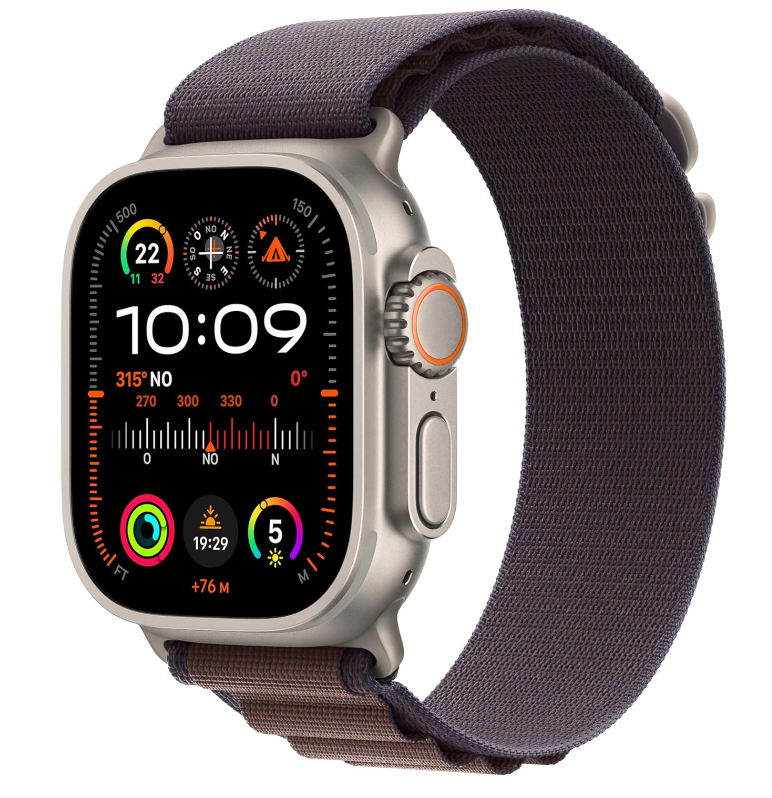
Review for runners: Apple Watch Ultra

I recently exchanged my Garmin Fenix 6 watch for the Apple Watch and in this article I will show a comparison and analysis of this exchange. I have been using the Apple Watch for about 8 months and the main reason was the integration with the cell phone.

1. Durability and Design

The Apple Watch Ultra has been engineered with durability at its forefront, catering specifically to athletes and outdoor enthusiasts who demand ruggedness in their gear. With its titanium case and sapphire crystal display, the Apple Watch Ultra is built to withstand harsh conditions, from trail running to mountain climbing. This level of robust construction is comparable to Garmin’s Fenix series, which also emphasizes durability and is favored by outdoor adventurers.

While both brands offer high durability, the Apple Watch Ultra steps up with its certified water resistance to a depth of 100 meters and enhanced dust resistance, making it exceptionally reliable in more extreme environmental conditions than most Garmin models. This makes it an appealing choice for runners who frequently traverse challenging terrains or engage in multi-sport activities that include water exposure, providing a slight edge in terms of versatility.

Explore our detailed comparison of the Apple Watch Ultra and Garmin watches for runners

2. Battery Life and Performance

Battery performance is crucial for long-distance runners who rely on continuous GPS tracking. The Apple Watch Ultra offers up to 36 hours of normal use and extends up to 60 hours in low power settings, which is a significant improvement over its predecessors. However, when compared to Garmin, which offers devices like the Fenix series that can last up to several weeks on a single charge in certain modes, the Apple Watch still lags slightly behind in terms of long-term endurance.

For daily runners and those who prefer regular charging routines, the Apple Watch Ultra’s battery life is more than adequate. However, for ultra-marathoners or multi-day event participants, Garmin’s superior battery longevity provides a distinct advantage, reducing the need for frequent recharges and ensuring continuous activity tracking without interruption during prolonged events.

3. Health and Fitness Tracking Features

The Apple Watch Ultra comes packed with advanced health monitoring features, including an accurate heart rate sensor, blood oxygen monitoring, and an integrated GPS that competes closely with Garmin’s high-precision sensors. The Apple Watch also offers unique features like crash detection and a temperature sensor, adding layers of safety and biometric data that are beneficial for comprehensive health tracking during runs.

Garmin watches, known for their detailed fitness analytics, offer customizable data screens and in-depth metrics that appeal particularly to professional athletes and sports enthusiasts. While the Apple Watch provides a broad range of workout types and seamless integration with iOS apps, Garmin allows for more in-depth customization of data fields and longer data tracking history, which can be crucial for training analysis over time.

4. User Interface and Ecosystem

The user interface of the Apple Watch Ultra is one of its biggest selling points, featuring a fluid touch screen, crisp display, and the intuitive watchOS interface. The integration with iOS allows for seamless connectivity with iPhones, making it a robust choice for runners who appreciate having their data sync effortlessly with their other devices and enjoy the broader ecosystem of Apple apps and services.

In contrast, Garmin’s interface is highly functional but can be less intuitive for those not familiar with Garmin’s ecosystem. Garmin watches support excellent integration with a variety of fitness platforms and have robust native applications for workout data analysis, which might be more appealing to users who prioritize extensive customization and deep data analysis over general aesthetics and ease of use.

5. Cost-Benefit Analysis

The Apple Watch Ultra is priced at a premium, reflecting its advanced features and robust design. For runners who are also avid tech enthusiasts or those who are already embedded within the Apple ecosystem, the price may be justified by the seamless integration and the convenience of connected features alongside health and fitness tracking.

Comparatively, Garmin watches may offer better value for runners focused solely on fitness tracking and durability for long-distance events. With models available across a range of prices, Garmin provides options that cater to serious athletes who need extended battery life and more detailed customizability without necessarily requiring broader smartwatch functions. This makes Garmin a potentially more cost-effective choice for dedicated runners, depending on their specific needs and budget constraints.

Veja também: Best running watches for beginners.

Review for runners: Apple Watch Ultra Read More »

My Journey to the Vilnius Half Marathon 2024

As May 25, 2024, approaches, my excitement for the Vilnius Half Marathon grows. Not only is this event a chance to challenge myself in the beautiful capital of Lithuania, but it’s also a milestone in my running journey. Here’s a glimpse into how I’m gearing up for one of my biggest challenges yet, blending cross-training with dedicated running.

vilniaus half marathon preparation

Crafting a Balanced Training Program

My preparation for the Vilnius Half Marathon isn’t just about running; it’s about building endurance and strength without overtraining. Incorporating swimming and cycling into my routine helps enhance my cardiovascular health and reduces the risk of running-related injuries. Swimming is a fantastic low-impact exercise that improves my lung capacity and provides a full-body workout, while cycling boosts leg strength and stamina.

Why Cross-Training Works: Cross-training allows me to maintain a higher overall training volume without the stress that multiple long runs would impose on my body. By mixing swimming, biking, and running, I can stay physically balanced, which is crucial for reaching peak performance on race day. This varied training approach keeps each week exciting and challenging.

The Allure of Vilnius Half Marathon

The Vilnius Half Marathon offers runners a unique opportunity to explore the cobblestone charm of Vilnius while racing. The course winds through the historic old town, a UNESCO World Heritage site, and along the banks of the Neris River, providing breathtaking views that juxtapose ancient architecture with vibrant city life.

Race Day Anticipation: As I visualize crossing the finish line, I’m also planning my race day strategy and logistics. The event is well-organized with plenty of hydration stations and enthusiastic crowd support, which makes it a favorite among local and international runners. I’m looking forward to experiencing the lively atmosphere and the supportive community that the Vilnius Half Marathon is known for.

Weekly Training Insights

Each week, I aim to hit a mix of high-intensity and low-intensity workouts. A typical week includes two swim sessions, two bike rides, and three runs, varying from tempo runs to long, slow distances. I use these workouts not only to build physical endurance but also to mentally prepare for the demands of race day.

Listening to My Body: The key to successful training is listening to my body and adjusting accordingly. Rest days are as vital as workout days, ensuring I recover adequately and avoid burnout. I also focus on nutrition, hydrating well, and getting enough sleep, all of which are crucial for maintaining high energy levels during training and on race day.

Connecting with Fellow Runners

As I train for the Vilnius Half Marathon, I’ve connected with fellow runners through online forums and local running clubs. Sharing tips, challenges, and experiences with others has been invaluable. It’s not just about competition; it’s about community and learning from each other.

Building a Support Network: These connections have formed a supportive network that motivates me every step of the way. We cheer each other on, share training plans, and even coordinate some of our long runs together. This community aspect of running is what makes the sport so special and keeps me inspired.

Training for the Vilnius Half Marathon is more than just a physical challenge; it’s a journey of personal growth and community connection. I look forward to sharing more of my experiences as I get closer to race day. Stay tuned for updates and wish me luck as I continue to prepare for this exciting event. Join me in embracing the challenges and celebrating the achievements along the way!

Race & marathon reviews

My Journey to the Vilnius Half Marathon 2024 Read More »

Swimming for Runners: Why Cross-Training in the Water Works Wonders

As a runner, you’re always looking for ways to enhance your performance and prevent injuries. While running is the heart of your training, incorporating swimming as a cross-training activity can offer incredible benefits. This post explores why swimming is a superb cross-training choice for runners, helping improve overall fitness, aid recovery, and even boost running performance.

Low-Impact Conditioning

Swimming provides excellent cardiovascular benefits while being gentle on the body. Unlike running, which can be hard on your joints, swimming allows you to engage in intensive cardiovascular exercise without the impact. This makes it an ideal form of exercise for recovery days or for runners dealing with injuries.

Why It’s Beneficial: Regular swimming sessions help maintain and improve cardiovascular endurance without the additional stress on your skeletal system. This means you can continue to build endurance while giving your bones and joints a rest. Consider integrating a reliable waterproof fitness tracker to monitor your heart rate and track your progress in the pool.

Improved Oxygen Efficiency

One of the less obvious benefits of swimming for runners is the improvement in oxygen use. Swimming forces your body to adapt to a lower oxygen environment due to the breathing technique required in water. This adaptation can enhance your body’s ability to efficiently use oxygen while running.

Breathing Benefits: The controlled breathing in swimming increases lung capacity and teaches you how to breathe in a more controlled and effective manner. For runners, this means better breathing efficiency and delayed onset of fatigue. Enhance your swim sessions with a high-quality swim cap and goggles, to ensure a comfortable and effective workout.

Enhanced Core Strength and Stability

Swimming engages multiple muscle groups, especially the core, which is crucial for running efficiency. A strong core helps maintain proper running form, which can reduce the risk of injury and improve running efficiency.

Core Training in the Pool: The natural resistance of water makes swimming an excellent workout for strengthening the core muscles. Enhanced core strength from swimming translates to better posture and balance in running. To maximize your swimming workouts, consider using a resistance swim belt, which can help intensify your training sessions.

Injury Prevention and Recovery

Swimming not only helps prevent injuries by strengthening muscles and joints but also aids in the recovery process. The buoyancy of water reduces strain on injured areas, allowing for exercise without risk of further harm.

Recovery through Swimming: For runners who are recovering from injury, swimming can be a crucial part of the rehabilitation process. It allows you to maintain fitness without putting stress on the injured parts. A pair of ergonomic swim fins, can help maintain intensity without overloading the legs.

Mental Health and Stress Relief

Swimming is not only beneficial for physical health but also for mental well-being. The calming effect of water and the meditative nature of swimming strokes can significantly reduce stress levels.

Mind and Body Benefits: Incorporating swimming into your training can help manage stress, improve focus, and reduce the mental fatigue associated with long running sessions. Consider adding an underwater MP3 player to your swim gear to enjoy music while you train, making each swim session a rejuvenating experience.

Explore how swimming can boost your running performance!

Swimming is a powerful cross-training option that offers extensive benefits for runners. From enhancing cardiovascular health and oxygen efficiency to improving core strength and aiding in injury recovery, the advantages are compelling. Dive into swimming and watch as your running performance soars to new heights.

Training & injury prevention

Swimming for Runners: Why Cross-Training in the Water Works Wonders Read More »

Injury Prevention Techniques for Runners

Proper Warm-Up and Cool-Down Routines

Warming up before a run is crucial as it prepares your body for the physical stress of running by increasing blood flow to the muscles and raising the body temperature. A proper warm-up should include dynamic stretches such as leg swings, walking lunges, and arm circles, which mimic running movements. This not only enhances flexibility but also reduces the risk of strains and pulls by making the muscles more pliable and ready for action.

Cooling down after a run is equally important to gradually reduce the heart rate and start the recovery process. It should involve a mix of slow jogging or walking followed by static stretches focusing on major muscle groups like the hamstrings, quads, and calves. These stretches help in releasing muscle tension and limit the buildup of lactic acid, potentially preventing stiffness and soreness, which are common sources of discomfort and injury among runners.

Strength Training for Runners

Incorporating strength training into a runner’s weekly routine can significantly enhance their resilience against injuries. Exercises such as squats, deadlifts, and calf raises strengthen the leg muscles, while planks and back extensions fortify the core, providing better stability and shock absorption during running. This conditioning is essential not only for improving performance but also for preventing injuries by ensuring that the body can withstand the repetitive impact of running.

Regular strength training helps in correcting muscle imbalances that are often overlooked in runners who focus solely on cardiovascular workouts. For instance, strengthening the hip flexors and glutes can prevent issues like runner’s knee and IT band syndrome, which stem from weak or imbalanced hip muscles. By promoting muscle symmetry and joint stability, strength training plays a pivotal role in a comprehensive injury prevention strategy.

Running Form and Technique

Good running form is key to efficient movement and injury prevention. Maintaining a slight forward lean from the ankles, keeping the head up and back straight, and avoiding excessive bouncing can significantly reduce the impact forces traveling through the body. Furthermore, proper foot strike, particularly landing softly on the midfoot, can help in minimizing stress on the knees and hips, thus avoiding common overuse injuries.

Many runners suffer from injuries due to poor technique, such as overstriding or excessive heel striking. These habits increase the braking force with each footfall, leading to greater stress on the lower body. Correcting these issues through targeted drills and being mindful of one’s form during runs can lead to more efficient, safer running. Regular video analysis of running form or consultations with a running coach can also provide valuable feedback and guidance.

Choosing the Right Gear

The importance of selecting the right running shoes cannot be overstated. Shoes should be chosen based on the runner’s foot structure, gait type, and the surfaces they primarily run on. For instance, runners with flat feet might require more arch support to prevent overpronation, which can lead to injury. Additionally, the shoes should provide adequate cushioning and stability to absorb the impact that comes with each step.

Besides footwear, other running gear like orthotics, moisture-wicking socks, and supportive insoles can also play a significant role in injury prevention. For example, orthotics can help correct biomechanical inefficiencies, reducing the risk of stress fractures, tendonitis, and other overuse injuries. Ensuring that the gear fits well and is in good condition is essential for maintaining safety and effectiveness in a runner’s arsenal against injuries.

Training & injury prevention

Related: how to start running while overweight.

Injury Prevention Techniques for Runners Read More »

Scroll to Top