Açai or Acai berries, known as a “superfood”, have become increasingly popular among runners and fitness enthusiasts. These small, dark purple berries native to Brazil are packed with antioxidants, fiber, and healthy fats that can provide a host of benefits for runners, including improved energy levels, enhanced digestion, and reduced inflammation. With its unique combination of nutrients, acai is the perfect food for runners who want to boost their performance and recovery. Whether you add it to your smoothies, yogurt, or oatmeal, acai is a delicious way to get the nutrients your body needs to succeed on the road or trail.
Aids in Weight Loss
Acai is a great option for runners who are looking to lose weight, as it is a superfood that offers a variety of health benefits. Acai berries are high in antioxidants, which can help the body to fight off free radicals and reduce inflammation. Additionally, acai berries contain fiber, which can help to increase feelings of fullness and reduce overall calorie intake. By incorporating acai into a healthy diet and exercise routine, runners can experience improved weight loss results, as well as improved overall health and well-being.
When eating acai, it is important to avoid overloading your bowl with too many toppings. While acai itself is a nutritious food, it can quickly become high in calories when paired with excessive amounts of granola, fruit, and other sweet additions. To ensure that you are getting the most health benefits from your acai bowl, it is best to stick to a modest portion size and limit the number of additional toppings that you add. By doing so, you can avoid consuming excess calories and enjoy the many benefits that acai has to offer, including its high levels of antioxidants, healthy fats, and fiber.
Boosts Immune System
The acai berry has been known to boost the immune system due to its high levels of antioxidants, vitamins, and minerals. Antioxidants help to protect the body from free radical damage, which can lead to diseases and illnesses. Additionally, the acai berry is rich in vitamin C, which is essential for a healthy immune system. This superfood can help to support and strengthen the body’s natural defense mechanisms, making it easier to fight off infections and illnesses. Furthermore, the high levels of fiber and healthy fats found in acai can also contribute to overall health and wellness, including boosting the immune system. So, by incorporating acai into your diet, you can help support and strengthen your body’s natural defense system and maintain a healthy and active lifestyle.
Regenerates Muscles
The high levels of antioxidants present in acai berries are effective in reducing inflammation and oxidative stress in the body. This helps to promote faster muscle recovery after intense physical activity, making it a perfect superfood for runners. Additionally, acai berries are rich in iron, calcium and other essential minerals that are required for the proper functioning of muscles.
Studies have shown that the consumption of acai berries can lead to an increase in the production of insulin-like growth factor (IGF-1) in the body. This hormone plays a key role in muscle growth and regeneration, making acai an ideal superfood for runners looking to improve their performance and prevent injury. Regular consumption of acai can help to reduce muscle damage, improve muscle endurance, and promote the overall health of the muscles, allowing runners to train harder and more efficiently.
How do you make it?
Making acai bowls is a simple and delicious way to enjoy this superfood. To make an acai bowl, you will need frozen acai puree, frozen fruit, and a blender. Start by blending the frozen acai puree and frozen fruit until smooth. You can add some liquid, such as almond milk or coconut water, to help the blender create a smooth consistency. Once the mixture is smooth, pour it into a bowl and add toppings of your choice, such as granola, fresh fruit, nuts, and honey. Serve immediately and enjoy the delicious, nutritious, and refreshing taste of the acai bowl.
Brazilian food
Açai, a Brazilian superfood, has recently gained popularity among runners as a healthy addition to their diet. This purple berry, native to the Amazon rainforest, is packed with nutrients and antioxidants that provide numerous benefits for athletes. Açai is rich in fiber, healthy fats, and protein, making it a great source of sustained energy for runners. Additionally, its high levels of antioxidants help to fight against muscle damage and support muscle regeneration, helping runners to recover more quickly from their workouts. With its unique flavor and versatility, Açai has become a staple in many runners’ diets, making it a perfect way to fuel your next run and support your overall health and fitness goals.
Starting a running routine can be a challenging journey, especially when you’re overweight. However, with the right approach and mindset, anyone can begin to experience the numerous benefits of running, regardless of their current weight. This article will provide tips and guidance on how to start running while overweight, and help you build a healthy and sustainable running habit.
As a seasoned runner who has completed over 50 marathons around the world, I have faced my fair share of challenges and obstacles. However, after the pandemic hit, I found myself struggling with weight gain and now weigh close to 100 kg. Despite this setback, I am determined to get back to my former self and continue my passion for running marathons. Through my journey, I aim to not only motivate myself, but also help those who are in a similar situation. I will be documenting my process and sharing my experiences to provide encouragement and guidance for anyone who wants to start running while overcoming weight challenges.
Start with a walking program
It’s important to remember that every journey starts with small steps. If you’re new to exercise or have been inactive for a while, it’s recommended to begin with a walking program. This will allow you to build up your stamina, strength, and confidence gradually, and it’s a low-impact form of exercise that is easy on your joints. You can start by walking for 10-15 minutes a day and gradually increasing the duration and intensity as you feel comfortable. By incorporating a walking program into your routine, you’ll be able to build a strong foundation and lay the groundwork for a successful running program in the future.
Wear the right gear
Wearing the right gear is important for any runner, but especially for those who are starting out while overweight. Proper shoes with good support can help prevent injury and provide comfort during your workout. Additionally, moisture-wicking clothing can help keep you cool and dry during your runs. Investing in quality gear can help make your running experience more enjoyable and less painful.
Gradual increase
Gradually increasing the amount of running in your routine is crucial when starting to run while overweight. This not only helps prevent injury, but also allows your body to properly adapt to the increased physical activity. Start with short running intervals, interspersed with periods of walking, and gradually increase the length of your running segments as your fitness improves. This gradual approach will help you build endurance and strength over time, making it easier to run for longer periods of time and reducing the risk of injury.
Focus on form
When starting to run while overweight, it’s important to focus on proper form. Maintaining good posture and a balanced stride can help reduce the impact on your joints and prevent injury. Pay attention to your posture, keeping your head up and your shoulders back and relaxed. Balance your stride, land softly on the midfoot, and avoid overstriding. Incorporating strength and flexibility exercises, such as yoga or Pilates, can also help improve your form and reduce the risk of injury. With a focus on form, you can enjoy the physical and mental benefits of running while staying healthy and safe.
Warm up and cool down
Warming up and cooling down are important aspects of any workout, and even more so for those who are starting to run while overweight. A proper warm up will help prepare your body for the physical demands of running, reducing the risk of injury. Similarly, cooling down will help bring your heart rate back to normal and allow your body to recover more efficiently. It is recommended to spend 5-10 minutes warming up and cooling down before and after each run, respectively. This can include light stretching, walking, or other low-impact activities.
Hydration
Hydration is an essential aspect of running, regardless of weight. However, it becomes even more important for overweight individuals who are starting to run. Overweight individuals have a higher body mass, which requires more fluid to maintain the body’s balance and keep the muscles hydrated. Dehydration can lead to cramping, fatigue, and decreased performance, so it’s essential to drink plenty of water before, during, and after running. It’s recommended to drink at least 17 ounces of water two hours before running and another 7 to 10 ounces of water every 10 to 20 minutes during the run. After the run, it’s essential to replenish the fluids lost during exercise to help the body recover and prepare for the next workout.
Fuel your body
It is crucial to provide the body with the necessary nutrients and energy to support the physical demands of running and to promote weight loss and overall health. A balanced diet with adequate protein, healthy fats, and carbohydrates can help support the body during and after a run.
Frequently Asked Questions
Can I start running if I am overweight?
Yes. Being overweight is not a barrier to starting running — it just means you should start gradually and listen to your body. Begin with brisk walking, add short running intervals as your fitness improves, and prioritise good form and recovery. Millions of people have started running carrying extra weight; the key is consistency, not speed.
How do I begin running when overweight?
Start with a walk-run method: walk for 3–4 minutes, then jog for 30–60 seconds, and repeat for 20–30 minutes. As it gets easier, increase the running intervals and shorten the walks. Aim for three sessions a week with a rest day between them. Supportive shoes and a gradual build-up protect your joints while you adapt.
Is running bad for your knees if you are overweight?
Running is not inherently bad for the knees, but extra weight adds load, so progression matters. Run on softer surfaces when possible, strengthen your legs and core, warm up properly, and never increase distance by more than about 10% per week. If you feel sharp joint pain, scale back — discomfort that eases as you warm up is normal; pain that worsens is a signal to rest.
How long until I can run continuously?
Most beginners can run 20–30 minutes continuously within 8–12 weeks of consistent walk-run training. The exact timeline depends on your starting fitness and how regularly you train. Don’t rush it — the runners who last are the ones who build the habit slowly and avoid injury along the way.
In recent years, the world of indoor cycling has seen a dramatic shift thanks to the innovative and immersive platform known as Zwift. For many cycling enthusiasts, the thought of hopping on an indoor trainer meant hours of boredom staring at a blank wall or simply watching TV. However, Zwift has managed to revolutionize the way people think about indoor cycling, by offering a virtual environment where cyclists from all over the world can interact, compete, and train together in a fun and engaging setting. With millions of users now regularly participating in Zwift workouts, it’s clear that the platform is here to stay and continue to redefine the way we approach our indoor cycling routines.
Whether you’re a seasoned outdoor cyclist looking to maintain your fitness during the colder months, or someone who simply enjoys the convenience and comfort of working out at home, Zwift provides a plethora of options for riders of all levels and abilities. By connecting your smart trainer, power meter, or using a speed sensor, you can transform your living room into a veritable cycling mecca with challenging workouts, races, and group events, taking place in beautifully designed virtual worlds. The gamification aspect of Zwift keeps things interesting and motivating, as you will earn experience points that will enable you to unlock new gear and accessories, while the various group rides and races cater to different preferences, whether it’s a casual workout or a high-intensity competition.
One of the most appealing aspects of Zwift as a training tool is its diverse and extensive library of structured workouts, designed by professional coaches and athletes. These workouts offer targeted sessions that cater to various goals, such as improving endurance, power, or overall speed. Furthermore, Zwift also offers adaptive training plans, which will tailor your workout schedule based on your fitness levels, goals, and the available time you have to train. This truly personalized approach to training allows you to make the most of every session, optimizing your overall progress, and helping you reach your goals faster.
Zwift represents a new era in indoor cycling, offering an enticing alternative to traditional home-based workouts. Through a blend of engaging and immersive graphics, community interaction, and personalized training plans, Zwift continues to level up the indoor cycling game and attract a growing number of enthusiasts seeking a more enjoyable and meaningful way to train. With constant updates and improvements to the platform, Zwift is poised to remain at the forefront of an evolving fitness landscape, providing a unique and effective way for cyclists of all levels to achieve their goals and connect with others who share their passion.
Zwift: Transforming Indoor Cycling Training
When it comes to indoor cycling, one of the main challenges a rider faces is staying engaged and motivated in a static environment. This is where Zwift, a groundbreaking immersive digital platform, steps in to transform the indoor cycling experience. Zwift uses gamification elements to craft an interactive world where cyclists connect with others and undertake tailored workouts designed to meet specific fitness goals. According to a study published in the Journal of Medical Internet Research, gamification has proven effective in increasing intrinsic motivation and promoting behavior change in exercise routines. Zwift enables users to elevate their indoor cycling sessions to another level, with customizable avatars, various virtual courses, and structured workouts to enhance performance and maintain motivation.
A standout feature of Zwift is its social aspect, allowing riders to join an ever-expanding global community of like-minded cyclists. By engaging with other users across the world, cyclists can now participate in group workouts, races, and events within a virtual environment. This sense of camaraderie not only fosters healthy competition, but also enhances users’ accountability to push past boundaries and stay committed to consistent training. In fact, according to a study in Computers in Human Behavior, social interaction and a sense of belonging contribute significantly to a participant’s motivation and satisfaction in an online fitness setting. With Zwift’s in-game messaging feature, cyclists are never alone in their journey to optimize their indoor training experience.
One critical component in achieving tangible progress through indoor cycling is following a structured training plan. Zwift offers a plethora of workout options, ranging from beginner-friendly sessions to more advanced workouts that cater to various cycling disciplines. The platform employs a similar training model to traditional cycling training methods, emphasizing power output, heart rate, and cadence. With detailed analytics and performance tracking, Zwift enables users to monitor their progress and adjust their workouts according to individual needs and goals. Additionally, Zwift is compatible with a wide range of smart trainers and power meters, allowing cyclists to tailor their riding experience based on personal preferences and equipment.
Zwift is not only revolutionizing the indoor cycling landscape by creating an engaging and immersive virtual environment; it is also contributing to the sport’s inclusivity and accessibility. Cyclists of all skill levels and backgrounds can easily immerse themselves in the world of Zwift, finding common ground with others who share their passion for cycling. Moreover, Zwift is an invaluable tool for those living in regions plagued by inclement weather or lacking safe outdoor cycling infrastructure. By delivering a dynamic and comprehensive training platform, Zwift has disrupted the status quo of indoor cycling and motivated countless riders to embrace innovative technology, create lasting connections, and strive for new personal records.
Choosing the Right Setup for Zwift Success
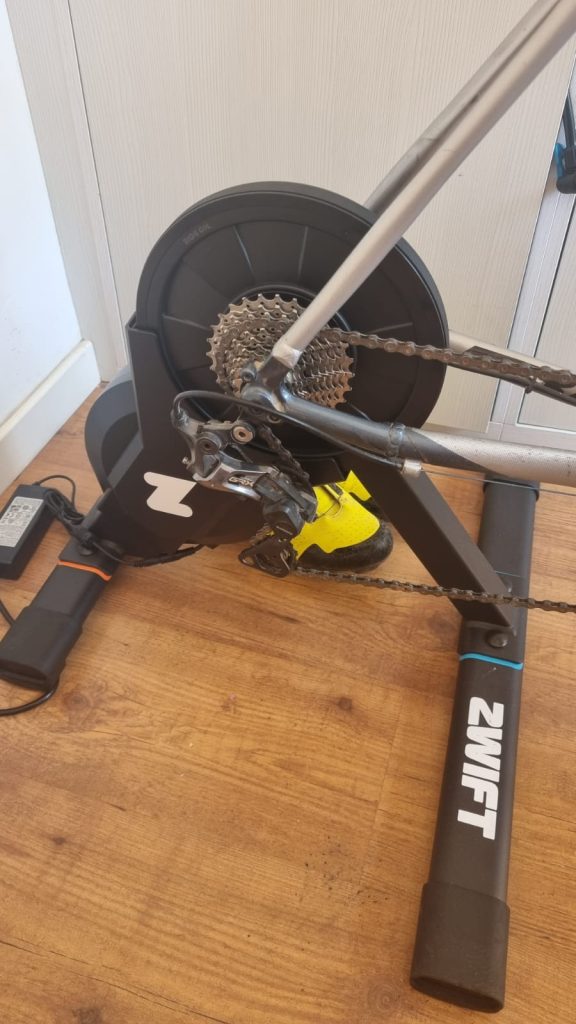
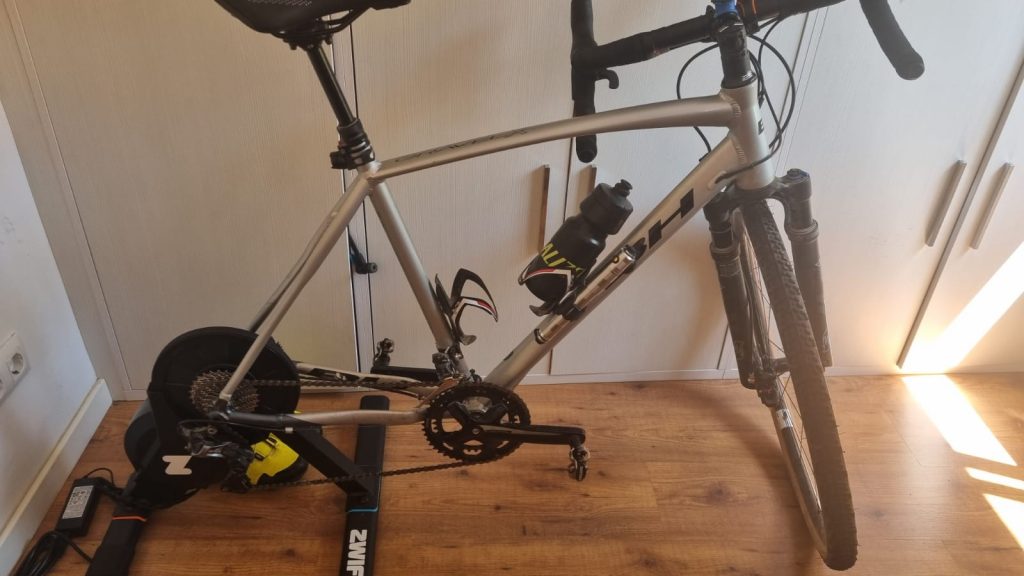
As you begin to incorporate Zwift into your indoor cycling routine, choosing the right setup is essential for maximizing your training success. Investing in a quality training roller is just the first step; ensuring you have the proper equipment to fully engage with the platform is key. There are different types of trainers to consider, from basic trainers with no connectivity to smart trainers that offer a more immersive and interactive experience. Evaluating your goals, budget, and available space will help guide your trainer purchasing decision-making process.
It’s important to prioritize comfort and functionality when setting up your indoor cycling space. The bike should be adjusted properly to fit your body and ensure the right amount of exertion per training session. A fan might be beneficial in keeping you cool during intense workouts, while a comfortable mat will provide additional stability for your training roller. Furthermore, investing in a heart rate monitor for accurate tracking of your body’s response to workouts is useful. High-quality water bottles and towels at arm’s reach will help maintain a comfortable cycling environment.
The next aspect to consider when aiming for Zwift success is the digital setup itself. As the Zwift platform relies on a strong internet connection, having reliable Wi-Fi will make your workouts and races more enjoyable. To experience Zwift to its full potential, investing in a suitable device that is compatible with the platform, such as a laptop or an Apple TV, will guarantee seamless integration. Additionally, having a sufficiently large screen on which to view your workouts will contribute to the immersive experience Zwift is designed to provide.
One of the more unique aspects of Zwift is the social component, which can make indoor cycling more engaging and motivating. However, you may need some additional accessories to foster a pleasant social interaction within the platform. A quality pair of headphones with a built-in microphone enables you to communicate with your fellow cyclists for the in-game group chats or voice channel discussions. Moreover, employing a phone mount that attaches to your bike’s handlebars allows you to access Zwift’s companion app more easily during workouts or races. This app allows you to track data, check course maps, and issue “Ride On!” encouragements to fellow cyclists with just a swipe of your finger.
By carefully choosing the right setup for Zwift, you’ll be well equipped to tackle any virtual ride or race. Not only will this enhance your indoor cycling experience, but it can also translate into better performance and mental stamina when cycling outside, making you a fitter, stronger, and more capable rider overall.
Navigating Zwift’s Interactive Virtual World
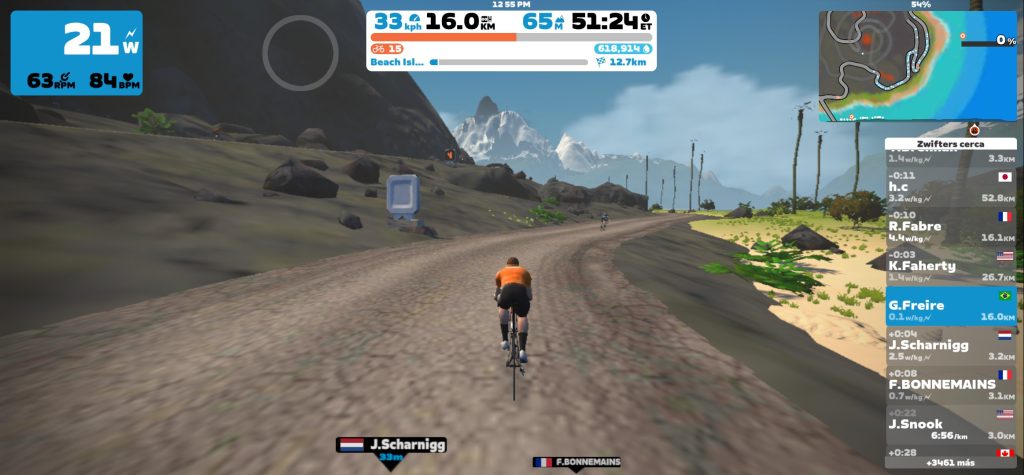
Zwift has revolutionized the world of indoor cycling by creating a virtual environment that connects users globally and offers an interactive and engaging workout experience. It’s a whole new way of training indoors, making it not only more efficient but also more enjoyable. With its 3D graphics, real-world routes, and a multitude of workouts, Zwift provides a user-friendly platform where riders can participate in structured workouts, races, and group rides. The virtual world of Zwift consists of several dynamic and interconnected maps, featuring a wide range of terrain. From the flat, fast roads of Watopia to the steep, mountainous climbs of the Alpe du Zwift, there’s something for cyclists of all abilities.
One of the most appealing aspects of Zwift is the gamification of indoor cycling, which not only motivates users to push harder, but also to keep coming back for more. The platform incorporates a distinct leveling system, allowing riders to earn experience points (XP) for every mile they cover and eventually unlock new in-game items and features. Moreover, cycling aficionados can join various clubs and teams or participate in challenges, earning virtual badges and rewards to showcase their achievements. According to recent statistics, over 3.5 million subscribers have joined Zwift, showcasing how captivating and popular this virtual cycling platform has become.
The immersive experience offered by Zwift doesn’t end with its virtual world and gamification. Utilizing advanced technology and data analysis, the platform provides a highly personalized training experience. By inputting personal metrics such as height, weight, and age, along with equipment details, Zwift can accurately estimate a rider’s power output and translate it into on-screen speed and performance. The integration of smart trainers and power meters further enhances the realism, adjusting resistance based on inclines, declines, and drafting behind other virtual riders. With these technological advancements, indoor cycling transforms into a highly engaging and tailored workout session.
The vast array of workouts and training plans featured in Zwift cater to a broad range of cyclists, from beginners to elite riders. Zwift’s library contains over 1,000 individual workouts and numerous training plans, designed to target specific fitness goals such as improving endurance, speed, or climbing abilities. Furthermore, the platform offers flexible scheduling, enabling users to fit their workouts around busy lives. A recent study published in the Journal of Strength and Conditioning Research found that structured Zwift workouts effectively improved participants’ performance and fitness levels in just six weeks.
Zwifting is a social experience and a prime example of the power of online communities. Cyclists can ride alongside friends and strangers, participating in virtual races, group rides, and even charity events. Leaderboards, chat functions, and the ability to “give kudos” (similar to a ‘like’ on social media) foster connection and encouragement within the Zwift community. A 2022 quote from Zwift’s CEO, Eric Min, highlights how the platform is “bringing people together from all over the world, breaking down barriers, and creating a global fitness community.”
While Zwift has already proven to be a game-changer in the world of indoor cycling, the company continues to grow and innovate. The virtual platform has expanded by adding a running option and has also hosted professional events such as the Virtual Tour de France and the 2020 UCI Cycling Esports World Championships. These developments testify to the limitless potential of Zwift as a transformative force within the realms of fitness and technology. By joining Zwift, indoor cyclists can not only improve their physical capabilities but also experience a vibrant and diverse virtual world that has forever changed the way we train indoors.
Tailor-made Workouts for Your Fitness Goals
Indoor cycling has come a long way with advancements in technology and the creation of immersive virtual platforms like Zwift. One significant benefit of using Zwift is its ability to create customized workouts based on your personal fitness goals. Whether you’re aiming to improve your endurance, increase your power output, or simply maintain your fitness level, Zwift workouts can be tailor-made to suit your needs perfectly.
Zwift’s personalized workouts are designed to cater to cyclists of varying skill levels and fitness backgrounds. The platform offers a range of workouts submitted by other members, professional coaches, and even Olympic athletes for inspiration. You can also create your own workout using the program’s user-friendly interface. By opting for tailored workouts, you enjoy more variety in your indoor training sessions, ensuring that you remain motivated and engaged throughout the process.
One of the crucial aspects of seeing progress in your fitness journey is structured training. Zwift’s workout structure allows you to systematically increase your workload based on your objectives and your perceived abilities. For example, if you’re focusing on building endurance, the program will guide you through steadily increasing time and distance intervals to achieve this specific goal.
Another benefit of using tailor-made Zwift workouts is that it helps you track and analyze your performance data. As you complete your assigned workouts, the information is stored and presented in a visually comprehensible manner. By reviewing this data, you’ll gain valuable insights into your progress and determine the effectiveness of your chosen workouts. These insights can then be used to make informed decisions on tweaking your training regimen for maximum results.
A significant appeal of indoor cycling is the convenience it offers. When building custom Zwift workouts, you can factor in the available time you have for each session, making it even more accessible to fit training into your daily routine. Additionally, you’ll be able to adjust your workout intensity levels according to your energy levels on any given day. This flexibility helps eliminate the mental and physical barriers that may prevent you from working out, ensuring consistency in your training.
Though indoor cycling can sometimes be isolating, Zwift’s workout builder comes with a social aspect that makes it a lot more enjoyable. You have the option of joining various events and group training sessions within the platform, where you can interact with like-minded cyclists and even compete in friendly races. These group activities are known to improve motivation, help keep you accountable, and make your workouts feel less daunting.
Zwift’s tailor-made workouts provide a comprehensive, personalized indoor cycling experience that caters to your unique fitness goals. By embracing this platform for your training, you’re setting yourself up for success and significantly enhancing the enjoyment factor in your indoor cycling sessions. With its focus on customization, data analysis, flexibility, and social interaction, Zwift has revolutionized the indoor training experience, upping the game for cyclists worldwide.
Tracking Progress: Earn Achievements on Zwift
Among the numerous benefits of using Zwift for indoor cycling, one of the most motivating factors is the ability to track your progress and unlock achievements. With each ride, Zwift keeps track of your fitness levels, accumulating experience points (XP) and virtual currency called “drops” that you can use to personalize and improve your in-game avatar, bike, and kit. Additionally, the platform offers an assortment of achievements, ranging from covering specific distances to completing challenging workouts, providing cyclists with a sense of accomplishment and a reason to push themselves harder.
As you accumulate experience points on your Zwift journey, your in-game avatar levels up, unlocking new equipment and customization options. XP is awarded based on mileage or kilometers cycled, and additional points can be earned by completing specific challenges or participating in events. For those who crave some friendly competition, Zwift also features a leaderboards section, displaying various statistics such as total distance, elevation climbed, and calories burned. Moreover, riders can connect with friends, join group rides, participate in races, or even chase after coveted virtual jerseys awarded to riders who achieve specific high scores or reach prominent milestones on the platform.
In addition to in-game achievements, Zwift users can connect their accounts to apps such as Strava and TrainingPeaks, further enhancing the tracking of their riding progress. By connecting to these platforms, cyclists can compare their rides with others, set personal goals, and analyze their performance data to ensure they are on track for success. With regular use of Zwift workouts and the platform’s various challenges and competitions, riders can witness tangible improvements to their fitness, endurance, and speed – whether they are seasoned professionals or beginners seeking an exciting and effective way to level up their indoor cycling game.
Zwift is undoubtedly a game changer for indoor cycling enthusiasts who wish to transform their at-home training into an engaging and fun experience. By offering achievements, points, levels, and a sense of community, Zwift keeps cyclists motivated to put in the effort and persevere through challenging workouts, ultimately resulting in improved performance and greater satisfaction throughout the course of their fitness journey. So why not give Zwift a try and see how this immersive platform can help you level up your indoor cycling game?
Why You Should Consider Carbon Fibre Shoes for Your Next Run?
As running technology continues to evolve, many athletes are turning to carbon fiber shoes to give them an edge in their training and races. These shoes are designed with high-performance materials that offer unparalleled durability, support, and speed, making them a great choice for runners of all skill levels.
One of the biggest benefits of carbon fiber shoes is their lightweight design. Unlike traditional running shoes, which can feel heavy and cumbersome, carbon fiber shoes are made from ultra-lightweight materials that allow you to move faster and more efficiently. This can help reduce fatigue and increase your overall endurance during long-distance runs.
Another key feature of carbon fiber shoes is their superior support and stability. The carbon fiber plate found in the sole of the shoe helps to evenly distribute your weight across your foot, reducing the risk of injury and minimizing the impact of each stride. This is especially important for runners who suffer from knee or ankle pain, as carbon fiber shoes can help reduce the stress on these areas of the body.
The unique construction of these shoes allows you to move more quickly and with greater efficiency, enabling you to shave precious seconds off your race times. Whether you’re competing in a marathon or just trying to beat your personal best, carbon fiber shoes can help you achieve your goals.
While carbon fiber shoes may be more expensive than traditional running shoes, many runners believe that the benefits they offer are well worth the investment. If you’re serious about improving your performance and taking your running to the next level, consider investing in a pair of carbon fiber shoes for your next race or training session. You may be surprised at just how much of a difference they can make.
Overweight and not-too-fast runners
For overweight and not-too-fast runners, the idea of investing in fibre carbon shoes may seem daunting. However, these shoes are not just for elite athletes. In fact, they can be incredibly beneficial for runners of all levels. Fibre carbon shoes offer superior cushioning and support, which can reduce the risk of injury and increase comfort during runs. Additionally, they are often more durable than traditional running shoes, making them a worthwhile investment in the long run. For overweight runners, fibre carbon shoes can also help to reduce the impact on the knees and other joints, allowing for a more enjoyable and sustainable running experience. It’s important to remember that while fibre carbon shoes may come with a higher price tag, the benefits they offer can make a significant difference in your running journey.
My personal choices
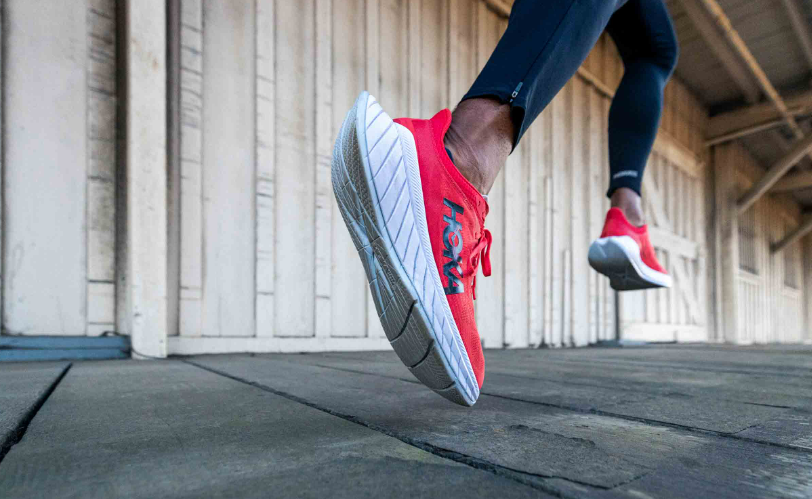
As a runner myself, I understand the importance of choosing the right shoes. Recently, I’ve been experimenting with different brands and models, and I’ve found that my personal favorites are the Hoka One One Carbon X3 and the Joma R3000, both of which feature carbon fiber technology.
I appreciate the combination of comfort and responsiveness in the Hoka One One Carbon X3. These shoes have excellent cushioning, making them perfect for long runs, but they’re also lightweight and snappy. In addition, the carbon fiber plate in the midsole provides an extra boost to each stride, making them ideal for speed work.
The Joma R3000, on the other hand, is a more budget-friendly option, but it still delivers great performance. The carbon fiber plate provides a noticeable springiness, and the shoes feel very stable and supportive. The upper is made of a breathable mesh that keeps my feet cool and dry even during hot and humid runs.
Overall, I highly recommend trying out shoes with carbon fiber technology, especially for overweight or not too fast runners. The added support and energy return can make a big difference in both performance and comfort. Just be sure to find the right fit and model for your individual needs and preferences.