Most runners plan their week. Very few plan their season. That gap is why so many training cycles end the same way: a strong start in January, a niggle in March, a rushed comeback in April and a goal race run on hope instead of fitness. The fix is borrowed from the world of publishing. Editors do not decide what goes on the front page the morning it goes to print. They work from an editorial calendar: a long-range plan of themes, deadlines and recurring slots that turns a year of output into something coherent.
Your training deserves the same treatment. In this guide I will show you how to build a running “editorial calendar” from the top down: the season (macrocycle), the blocks (mesocycles), the template week (microcycle) and the daily sessions. You will get an example 20-week calendar, a simple way to adjust it when life happens, the most common planning mistakes I see, and a short FAQ.
Why a running calendar beats a running plan
A plan downloaded from the internet is a list of workouts. A calendar is a list of workouts placed against your real life: work trips, family birthdays, holidays, the half marathon your club always runs in spring, the month your kids are off school. When you plan on a calendar, three things happen:
- You see conflicts early. A 32 km long run scheduled on the morning after a wedding is a problem you can solve in October, not on the day.
- You protect the key sessions. Not every run matters equally. A calendar makes the two or three sessions per week that drive progress visible, so the easy runs can flex around them.
- You build in recovery on purpose. Down weeks stop being “the week I got sick” and become planned, lighter weeks that let your body absorb the work.
Think of it like a magazine. There are anchor features (your long run, your quality session), recurring columns (easy runs, strength), seasonal specials (races, tune-up events) and planned breaks between issues. Everything has a slot.
Level 1: the macrocycle (your season)

Start with the biggest picture: one goal race, or at most two, per season. Write its date at the end of a blank calendar and count backwards. For a marathon, most runners need 16 to 20 weeks of specific preparation on top of an existing base. For a half marathon, 10 to 14 weeks. For a 10K, 8 to 12 weeks.
Then mark everything that is not running: travel, work peaks, holidays, family events. These are your “print deadlines”. They do not move, so the training has to fit around them. Finally, add one or two tune-up races, usually a 10K around the middle of the cycle and a half marathon four to six weeks before a marathon. They work as dress rehearsals and as honest fitness checks.
A typical season splits into four phases:
- Base: mostly easy aerobic running, gradual volume increase, strides and strength work. If easy pace feels hard, read my beginner’s guide to Zone 2 running first.
- Build: volume keeps rising and you add structured workouts: tempo runs, threshold intervals, hill repeats.
- Specific: training starts to look like the race. Long runs with race-pace segments, longer intervals at goal pace, practice with gels and race shoes.
- Taper and race: volume drops, intensity stays, and you arrive fresh. My 7-day marathon taper plan covers the final week day by day.
Level 2: blocks (mesocycles) of three to four weeks
Inside each phase, organise training in blocks of three or four weeks. The most common pattern is three weeks up, one week down: volume and difficulty rise for three weeks, then a lighter week cuts volume by roughly 20 to 30 percent. Runners over 40, or anyone coming back from injury, often do better with a two-up, one-down rhythm.
Give every block a theme, the same way an editor gives each issue a focus. For example:
- Block A, “aerobic engine”: volume, easy runs, strides, one steady run per week.
- Block B, “strength and hills”: hill repeats, short threshold work, two strength sessions per week.
- Block C, “threshold”: cruise intervals and tempo runs, long run extends.
- Block D, “race specific”: goal-pace work inside the long run, fuelling practice.
A theme stops you from trying to improve everything at once. It also makes it easier to judge whether a block worked: did your threshold pace improve during the threshold block? If not, you know what to change in the next season.
Level 3: the template week (microcycle)
Publishers have a weekly rhythm: the long read goes out on Sunday, the newsletter on Tuesday. Your training week works best with the same predictability. Here is a template that suits most amateur runners training four to six days per week:
| Day | Session | Purpose |
|---|---|---|
| Monday | Rest or mobility | Recover from the weekend long run |
| Tuesday | Quality session (intervals, tempo or hills) | Speed and threshold |
| Wednesday | Easy run + strength | Aerobic volume, injury prevention |
| Thursday | Easy run or second, lighter quality session | Volume or secondary stimulus |
| Friday | Rest or short easy run with strides | Freshen up before the long run |
| Saturday | Easy run or cross-training | Low-stress aerobic work |
| Sunday | Long run | Endurance, the anchor of the week |
Two rules keep the week safe. First, never put two hard days back to back; the quality session and the long run need at least one easy day between them. Second, keep roughly 80 percent of your weekly running at an easy, conversational effort. The hard sessions only work if you are fresh enough to do them properly.
Strength training belongs in the calendar too, not in the “if I have time” column. Two short sessions per week, placed on easy days, are enough. If you need a routine, my guide to strength training for runners has the exercises I use.
Example: a 20-week marathon calendar at a glance
This is what a season looks like when you zoom out. The numbers are for a runner who already runs around 30 km per week comfortably and is aiming for a first or second marathon. Adjust them to your own starting point.
| Weeks | Phase / block | Weekly volume | Key sessions | Long run |
|---|---|---|---|---|
| 1–3 | Base: aerobic engine | 30–38 km | Strides, one steady run | 12–16 km easy |
| 4 | Down week | 28 km | Strides only | 12 km easy |
| 5–7 | Build: strength and hills | 38–45 km | Hill repeats, short tempo | 16–20 km |
| 8 | Down week + 10K tune-up | 32 km | 10K race effort | 14 km easy |
| 9–11 | Build: threshold | 45–55 km | Cruise intervals, 30–40 min tempo | 22–26 km |
| 12 | Down week | 40 km | Short threshold | 18 km easy |
| 13–15 | Specific: race pace | 55–62 km | Goal-pace intervals, half marathon tune-up in week 14 | 28–32 km with race-pace segments |
| 16–17 | Specific: peak | 55–60 km | Goal-pace long blocks | 30–32 km |
| 18–19 | Taper | 45 then 35 km | Short goal-pace sharpeners | 22 then 16 km |
| 20 | Race week | Light + race | Short strides, race | Race day |
If you prefer a ready-made shorter version, the 16-week marathon training plan follows the same structure with every session written out.
How to build your calendar in five steps
- Fix the race date and count back to find your start week.
- Block out life: travel, work peaks, family events. Mark them in a different colour.
- Place the down weeks on the busiest life weeks whenever you can. A down week during a work trip is a gift; a peak week during one is a trap.
- Slot the anchors: long runs and quality sessions first, easy runs and strength after.
- Write the “why” next to each block. One line is enough: “build threshold”, “practise fuelling”. It keeps you honest when you are tempted to improvise.
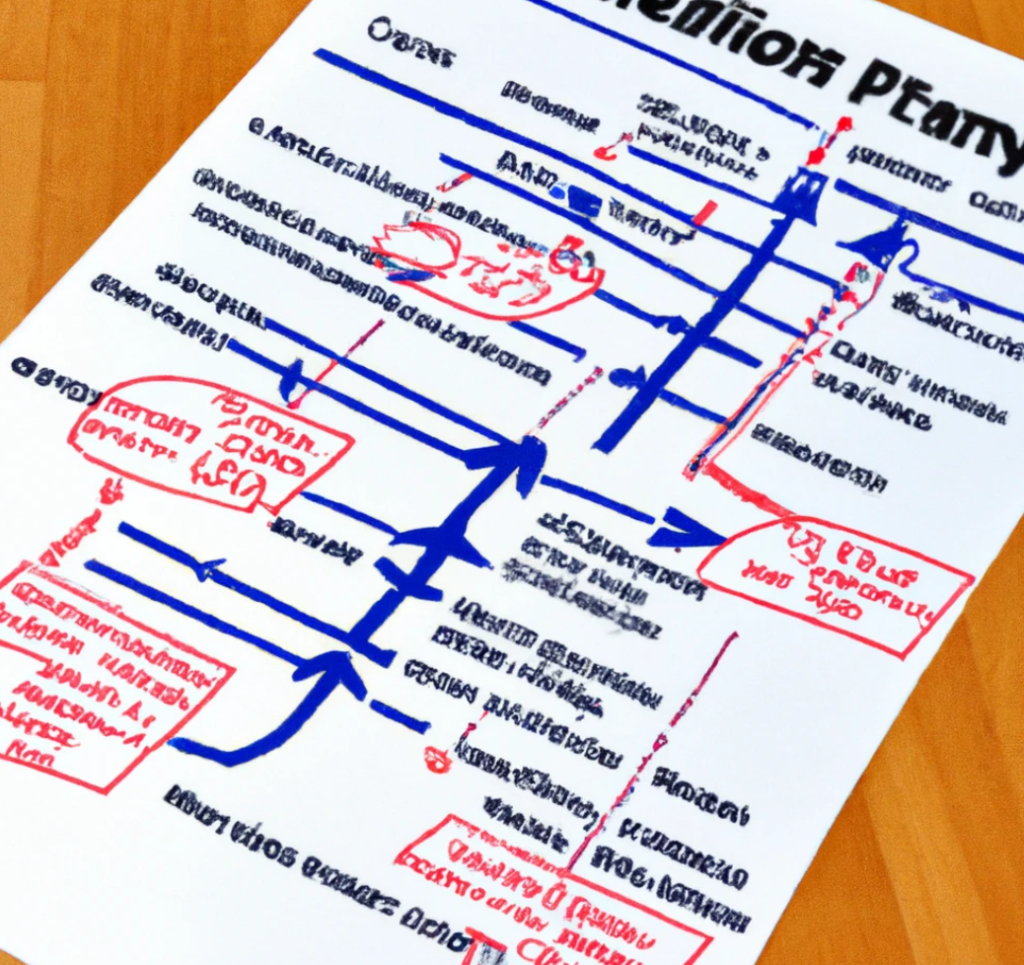
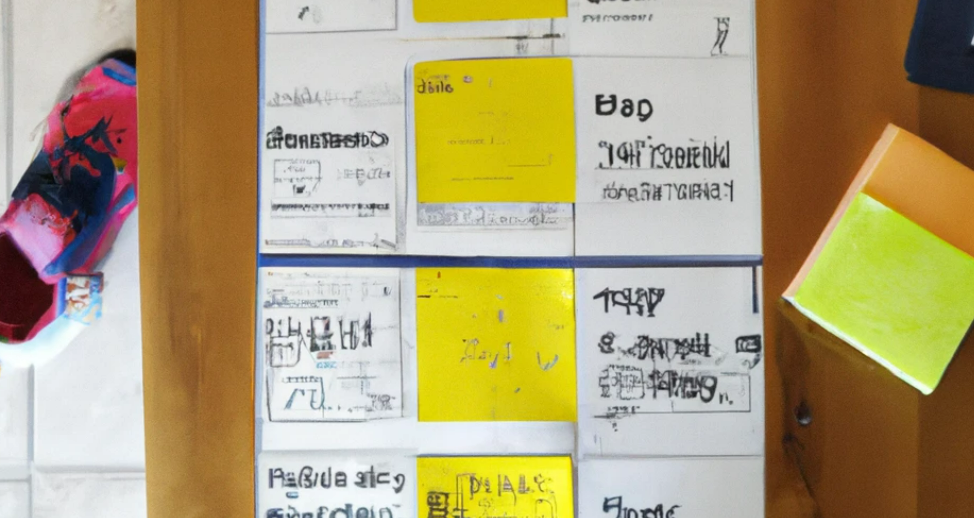
Use whatever tool you will actually open. A paper wall planner works brilliantly because you see the whole season at once. Digital options like a shared calendar, a spreadsheet or the planning view in Garmin Connect, TrainingPeaks or Final Surge work well too, especially if a coach or training partner needs to see it.
How to adjust when life gets in the way

No calendar survives a full season unchanged. Editors re-plan when news breaks; you re-plan when life does. A few simple rules make the decision easy:
- Missed one easy run? Let it go. Do not add it to another day.
- Missed a key session? Move it by one or two days if the week allows it without stacking hard days. Otherwise skip it.
- Missed a full week (illness, travel)? Repeat the previous week instead of jumping ahead. Fitness is still there; the jump in load is the risk.
- Missed two weeks or more? Rewrite the remaining calendar. Drop the least important block, usually part of the base or build phase, and protect the specific phase and the taper.
- Feeling flat for several days? Bring the next down week forward. Resting a week early costs nothing; pushing through fatigue can cost the season.
Review the calendar once a week, ideally on Sunday evening after the long run. Look at what you did, how you felt, sleep and stress, and confirm or tweak the next seven days. Once a month, look at the whole season again. This weekly and monthly review is exactly what editorial teams do, and it is what keeps a plan alive instead of abandoned.
Common planning mistakes
- Too many goal races. Three “A” races in one season means three tapers, three recoveries and very little actual training. Pick one, maybe two.
- No down weeks. Adaptation happens during recovery. Skipping lighter weeks is the fastest route to stagnation or injury.
- Raising volume too fast. Increase weekly distance gradually and never raise volume and intensity sharply in the same week.
- Every run at the same pace. Easy runs too fast and hard sessions too slow. Your calendar should show clear easy and hard days.
- Ignoring life. A plan that assumes you will never travel, work late or get a cold is a plan for someone else.
- Planning only running. Strength, mobility, sleep and nutrition need slots too. They are not extras.
- Never reviewing. A calendar you do not look at is just a document. The weekly check-in is what makes it work.
After the race: plan the next issue
The season does not end at the finish line. Pencil in one to two weeks of very easy running or full rest after a marathon, a short reverse taper back to normal volume, and then a review. What worked? Which block moved the needle? Where did life break the plan? Those notes become the first page of next season’s calendar, and that is how each cycle gets better than the last.
FAQ
How far ahead should I plan my running season?
Plan the big picture (goal race, tune-ups, down weeks) for the full season, usually four to six months. Plan detailed sessions only one or two weeks ahead, because those details change with how you feel.
How many races can I fit into one calendar?
One main goal race and one or two shorter tune-up races is a good balance for most runners. Tune-ups should be run at controlled effort, placed at the end of a down week, and followed by easy days.
What if my calendar only allows three runs per week?
Keep the anchors: one quality session, one easy run and one long run, plus cross-training or strength on other days. Three well-placed runs beat five random ones.
Paper or app?
Whichever you will check every week. Many runners use both: a paper wall planner for the season overview and an app or watch platform for the daily sessions.
Do I still need a calendar if I just run for fun?
A lighter one, yes. Even without a race, planning a few themed blocks (a hill month, a trail month, a speed month) keeps running fresh and makes it easier to stay consistent through busy periods.
Treat your training like an editor treats a publication: a clear long-term plan, a reliable weekly rhythm, and the flexibility to re-plan when the news changes. Sit down this week, write your race date at the end of a blank calendar, and start counting backwards.