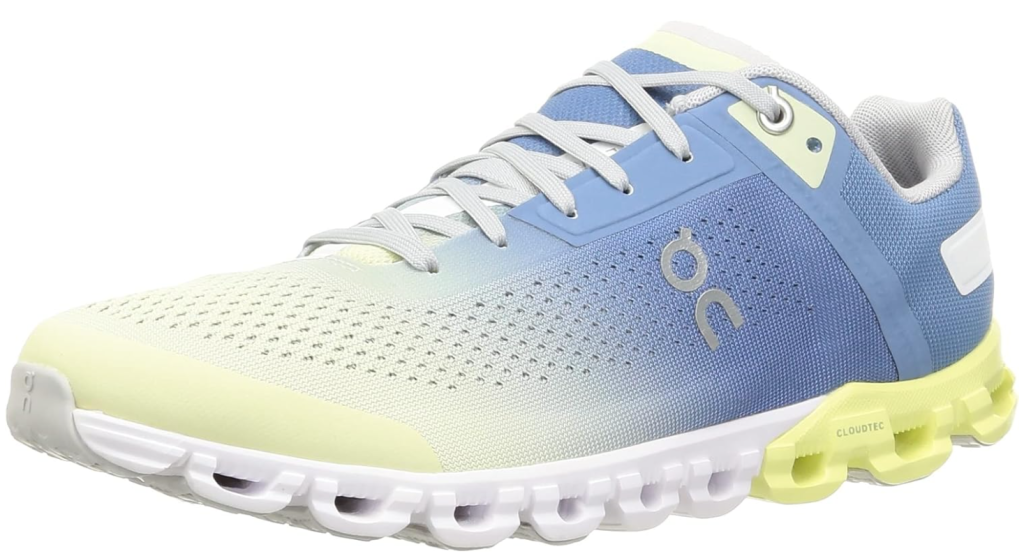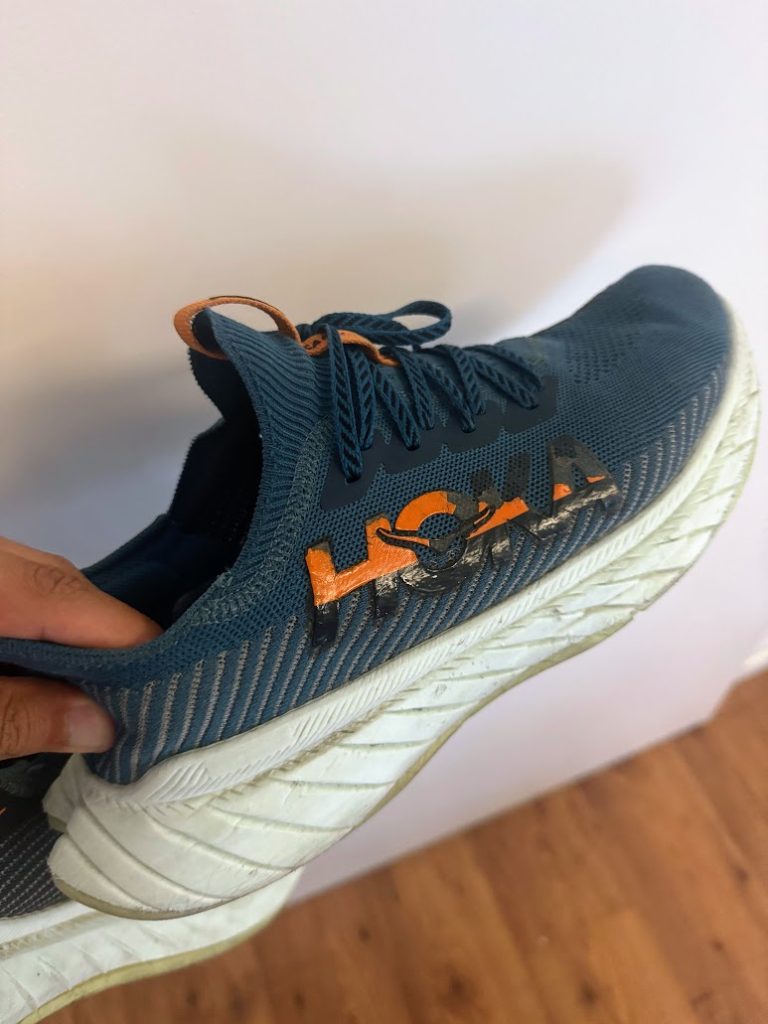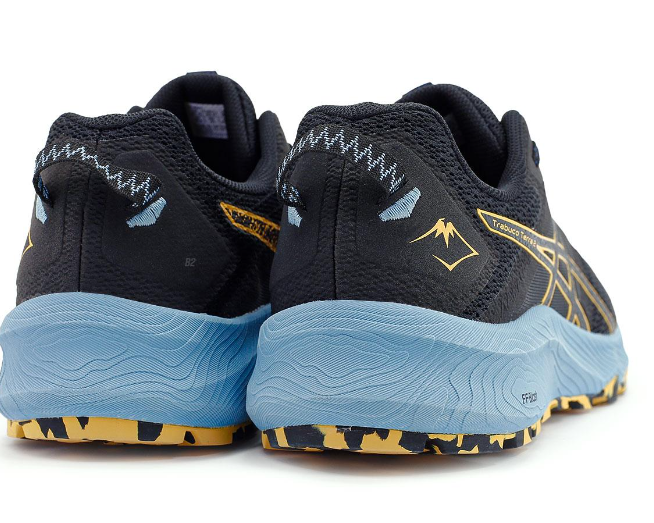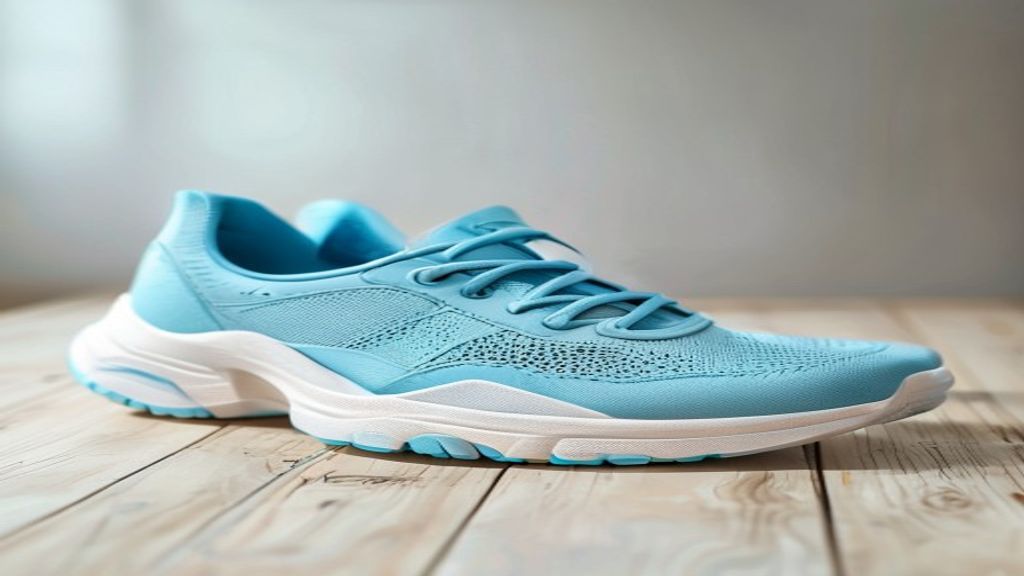
Walk into any running store in 2026 and you’ll notice something weird: the shoes people are excited about aren’t the featherweight race day flats anymore. They’re big, heavily-cushioned, oddly expensive daily trainers — and one of them, the Asics Superblast, has become the shoe that every recreational runner seems to either own or want.
I’ve been running long enough to remember when “more cushioning” meant a clunky brick that slowed you down. So the fact that a $280 max-cushion shoe is now the default recommendation for a Tuesday easy run deserves an honest explanation. Here’s what super trainers actually are, why the Superblast specifically blew up, and whether you need a pair — or whether you’re being sold something.
What is a “super trainer,” exactly
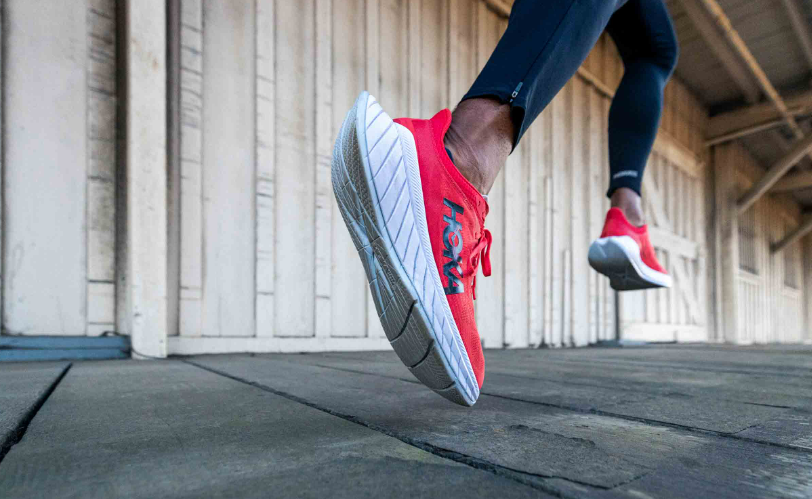
The term is new enough that nobody fully agrees, but here’s the clean definition: a super trainer is a daily training shoe that uses the same advanced foam and (often) carbon-plate technology as race-day super shoes, but tuned for durability and everyday mileage instead of one fast race.
Two things made this category explode in 2026:
- The foam got good enough to last. The PEBA-based foams that powered Nike’s original Vaporfly in 2017 lost their bounce after 150 miles. Useless for a daily trainer. The newer ATPU foam chemistry (and refined PEBA blends) holds its pop for 400+ miles — suddenly you can justify the price across a real training block.
- Brands realized the money is in training, not racing. Runners buy one pair of race shoes a year. They buy three pairs of trainers. Moving the super-shoe tech into the daily trainer was the obvious business move, and in 2026 it’s the center of every brand’s lineup.
The result: a category that didn’t really exist three years ago is now the hottest part of running, and the Asics Superblast is its unofficial poster child.
Why the Superblast specifically went viral
There are plenty of super trainers now — the New Balance SC Trainer, the Saucony Endorphin Speed, Nike’s Vomero reboot. So why did the Superblast become the shoe?
Three reasons, in order of importance:
- It does two things well instead of one. Most super trainers are either soft-and-slow or firm-and-fast. The Superblast (especially the 2, which is what everyone’s running in mid-2026) threads the needle: enough cushioning to eat a 20-mile long run, enough snap to do tempo work the next day. You don’t need a rotation — one shoe covers most of the week.
- It’s durable. Runners are cheap about depreciation. The Superblast holds its foam longer than the first generation did, and the outsole rubber actually lasts. At $280, “this will survive a full marathon build” is the sentence that closes the sale.
- The word of mouth hit critical mass. Once a shoe becomes the answer in every “what should I buy” running forum thread, the recommendation loops on itself. That’s where the Superblast is right now — and it’s a genuinely good shoe, which is why the loop hasn’t broken.
The honest caveat: part of the hype is fashion. A big, colorful, $280 shoe is also a status object at the Sunday group run. If that motivates you to train, fine. Just know it’s in the mix.
The foam tech, without the marketing
If you want to cut through the hype, understand two acronyms:
- PEBA (polyether block amide) — the foam chemistry that kicked off the super-shoe era. Energy return is high, but early versions degraded fast. “PEBA is here to stay” is the consensus — it works.
- ATPU — a newer thermoplastic polyurethane blend that several brands are mixing in or pivoting to. The pitch is better durability and more temperature-stable bounce. Whether ATPU is “better” than PEBA or just “newer” is still being argued, but the real-world effect for you is the same: shoes that stay lively longer.
The carbon plate (or nylon, in some) sits between two foam layers and does two things: it stiffens the shoe so your foot rocks forward with less effort, and it stabilizes the soft foam so it doesn’t squirm. You don’t need to overthink the plate. What matters is the total package: foam thickness, foam type, plate, and geometry all interacting.
The 2026 trend across the board is optimization, not innovation. Brands aren’t reinventing the wheel — they’re refining the stack ratios and shaving weight while keeping the cushion. That’s why this year’s super trainers feel like “last year’s, but better” rather than a leap.
Do you actually need a super trainer?
This is where I push back on the hype. A super trainer is not a magic bullet, and for a lot of runners it’s the wrong first upgrade.
Buy one if:
– You’re running 25+ miles a week and your current trainers are dead at 300 miles.
– You do a mix of easy days and workouts and want one shoe for both.
– You’re injury-prone and the extra cushioning genuinely helps you recover between days.
Skip it (for now) if:
– You’re running under 15 miles a week. A $120 daily trainer is plenty.
– You think it’ll make you faster on its own. It won’t, meaningfully. The fitness you build wearing it is what makes you faster.
– You’re buying it because everyone at group run has one. That’s a fine reason to want something, but be honest that it’s the reason.
The Superblast is a great shoe. It’s not a necessity. The runners I know who actually improved this year didn’t improve because of the shoe — they improved because they ran more consistently, and the shoe made the consistent running a little more comfortable.
How to choose between the top super trainers in 2026
If you’ve decided the category makes sense for you, here’s the honest one-line comparison of the three most-bought options right now:
- Asics Superblast 2 — the all-rounder. Best if you want one shoe for everything. The safe pick, and the most expensive.
- New Balance SC Trainer v3 — the firm-and-fast one. Best if you like a snappier feel and do more tempo/speedwork. Less plush on long runs.
- Saucony Endorphin Speed 4 — the value pick. Nylon plate (not carbon) keeps the price lower, and for most non-elite runners the difference is invisible. Often the smartest buy.
There’s no wrong answer here, only wrong fits. Go try them on. The foam that feels alive to my foot can feel dead to yours, and no review — including this one — replaces five minutes in the store.
The real lesson of the super-trainer trend
Here’s what I take from 2026’s obsession with super trainers: the sport finally caught up to what most runners actually need. For decades the industry chased lighter and faster, building shoes for the 5% who race seriously. The super-trainer boom is the industry finally building for everyone else — the person who runs 20 miles a week, wants to feel good doing it, and is willing to pay for durability.
That’s a genuine win, even if the price tags are absurd. Just keep the shoe in perspective. It’s equipment. It makes the work slightly more pleasant and slightly more sustainable. The work — showing up, running the easy miles, building the aerobic base that actually carries you — is still the whole game. Buy the Superblast if it fits your budget and your feet. Then go run in it. That’s the part that counts.