The short answer: dress for a temperature about 10°C (roughly 15-20°F) warmer than the thermometer says. You should feel slightly cold for the first five to ten minutes. If you feel cosy standing at the front door, you are overdressed and you will be soaked in sweat by the second kilometre, which is exactly what makes winter running miserable.
Below is a band-by-band guide to what to wear running in cold weather, from mild autumn mornings down to properly freezing days, plus the few pieces of kit that make the biggest difference.
The one rule: add 10 degrees
Running generates a lot of heat. Once you are moving, your body behaves as if the air is much warmer than it is. So the trick is to plan your outfit for the “running temperature”, not the standing temperature.
- Easy runs and long runs: add around 10°C to the real temperature.
- Intervals, tempo runs and races: add a bit more, because you will run hotter. Many runners race in shorts in conditions where they would wear tights for an easy jog.
- Wind, rain or a long walk back: subtract a few degrees. Wind chill and wet clothing change everything.
If you are unsure, err on the side of slightly cold, and carry one removable layer (a light jacket you can tie around your waist, or gloves you can stuff in a pocket).
Cold weather running clothes by temperature
This is the table I wish someone had given me my first winter. Treat it as a starting point and adjust after a few runs, because everyone runs a little hotter or colder.
| Temperature | Top | Bottom | Extras |
|---|---|---|---|
| 10°C and up (50°F+) | T-shirt or singlet | Shorts | Nothing, maybe a cap |
| 5 to 10°C (41-50°F) | Long-sleeve technical top | Shorts or 3/4 tights | Thin gloves optional |
| 0 to 5°C (32-41°F) | Long-sleeve top + light wind vest or jacket | Running tights | Thin gloves, headband or light beanie |
| -5 to 0°C (23-32°F) | Thermal base layer + wind jacket | Thermal tights | Gloves, beanie, buff |
| -10 to -5°C (14-23°F) | Base layer + mid layer + wind jacket | Thermal tights (windproof front if possible) | Mittens or warm gloves, beanie, neck gaiter |
| Below -10°C (below 14°F) | Three layers incl. insulated or windproof shell | Thermal tights, possibly with a wind brief or shorts over | Mittens, balaclava or gaiter over mouth, warm socks |
A few notes on reading it:
- These are for dry, calm days. Add a layer (or a windproof one) when it is windy.
- Below about -15°C, running is still possible for many people, but the margin for error gets small. Keep runs shorter, stay close to home, and cover exposed skin.
Layering: what each layer does
Winter running gear works as a system. You don’t need anything fancy, but each layer has a job.
Base layer: move sweat away
The layer touching your skin should be a technical fabric: polyester blends or merino wool. Its job is to pull sweat away so you don’t get chilled when you slow down. Avoid cotton. A cotton T-shirt soaks up sweat, stays wet and gets cold fast, which is the most common mistake beginners make in winter.
Merino is warmer when damp and resists odour, so it’s a favourite for long, slow runs. Synthetic tops dry faster and are cheaper. Both work.
Mid layer: trap warmth
Only needed when it’s properly cold. A thin fleece or brushed-back long-sleeve top adds warmth without bulk. On most winter days in milder climates you can skip it.
Outer layer: block wind and drizzle
A light wind jacket or windproof vest does more than its weight suggests. Wind is what makes 2°C feel like -5°C. A packable shell that zips open at the chest lets you dump heat when you warm up.
For rain, a fully waterproof jacket sounds ideal, but many feel like a sauna when you run. A water-resistant, breathable shell is usually the better compromise unless it is pouring.
Hands, head and feet: the small kit that matters most
Your core stays warm surprisingly easily once you are moving. Extremities don’t. If you only buy three winter items, make them gloves, a hat and good socks.
- Gloves or mittens. Thin liner gloves cover most days. When it drops well below freezing, mittens are warmer than gloves because your fingers share heat. Some runners wear liners under mittens and take the mittens off mid-run.
- Hat or headband. A thin beanie or headband protects your ears, which are often the first thing to hurt in the cold.
- Neck gaiter or buff. Pulled over your mouth and nose, it warms the air you breathe, which many people find makes cold air much more comfortable on the lungs.
- Socks. Merino or synthetic running socks, a little thicker than your summer pair. Make sure your shoes still fit with them.
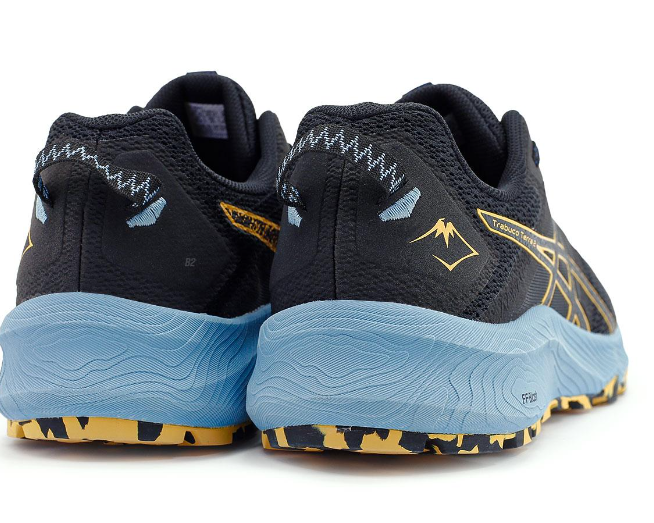
- Shoes. For wet, slushy or icy routes, a Gore-Tex or water-resistant shoe with a grippier outsole helps a lot. I’m covering this in a dedicated winter shoes guide; for now, my main running shoe guide covers the everyday options.
Running in the dark
Winter means fewer daylight hours, so many of your runs will happen before sunrise or after work. Visibility becomes part of what you wear.
- Choose at least one bright or reflective piece: a jacket, a vest, or reflective details on tights and shoes.
- Add a clip-on light or a headlamp so drivers see you and you see the potholes.
- Run against traffic on roads without pavements.
Before and after the run
What you wear starts before you leave and continues after you stop.
Before. Do a short warm-up indoors: leg swings, lunges, a few minutes of easy movement. It means you step out already warm and can dress lighter. My warm-up routine for runners works fine in a hallway.
During. Start into the wind if you can, so you finish with the wind at your back when you are sweatier.
After. Change out of wet clothes as soon as you stop. The cold hits fastest in the ten minutes after a run, when you are damp and no longer producing heat. Keep a dry top and a warm layer in the car or by the door.
One more winter quirk: tights, extra layers and dry air can increase rubbing. If long runs start to chafe, the fixes in my guide to preventing chafing on long runs apply in winter too.
Common cold weather mistakes
- Overdressing. The most frequent one. You sweat heavily, then freeze when you slow down.
- Cotton anything. Base layers, socks, even a cotton hoodie on top. It all stays wet.
- Ignoring wind chill. Check “feels like” temperature, not just the number.
- Bare hands “because they’ll warm up”. Sometimes they don’t. Cold hands can ruin an otherwise good run.
- Forgetting to drink. You sweat less visibly in winter, but you still lose fluid.
FAQ
How cold is too cold to run outside?
There is no single cut-off. Many runners train comfortably down to around -10°C with the right layers. Below that, risk of frostbite on exposed skin rises, especially with wind. If the “feels like” temperature is extreme, cover all skin, shorten the run, or move it to a treadmill.
Should I wear shorts or tights in cold weather?
Most runners switch to tights somewhere between 5°C and 10°C (41-50°F). Some keep wearing shorts down to near freezing for hard sessions. Go with what keeps your legs comfortable without overheating.
Is it bad to breathe cold air while running?
For most healthy people it is uncomfortable rather than harmful. Breathing through a buff or neck gaiter warms the air. If you have asthma or exercise-induced bronchoconstriction, talk to your doctor before hard efforts in very cold air.
Do I need special winter running shoes?
Not for dry, cold roads. Your normal shoes are fine. For snow, slush or ice, a water-resistant shoe with deeper lugs, or a traction device over your normal shoes, makes running safer and more comfortable.