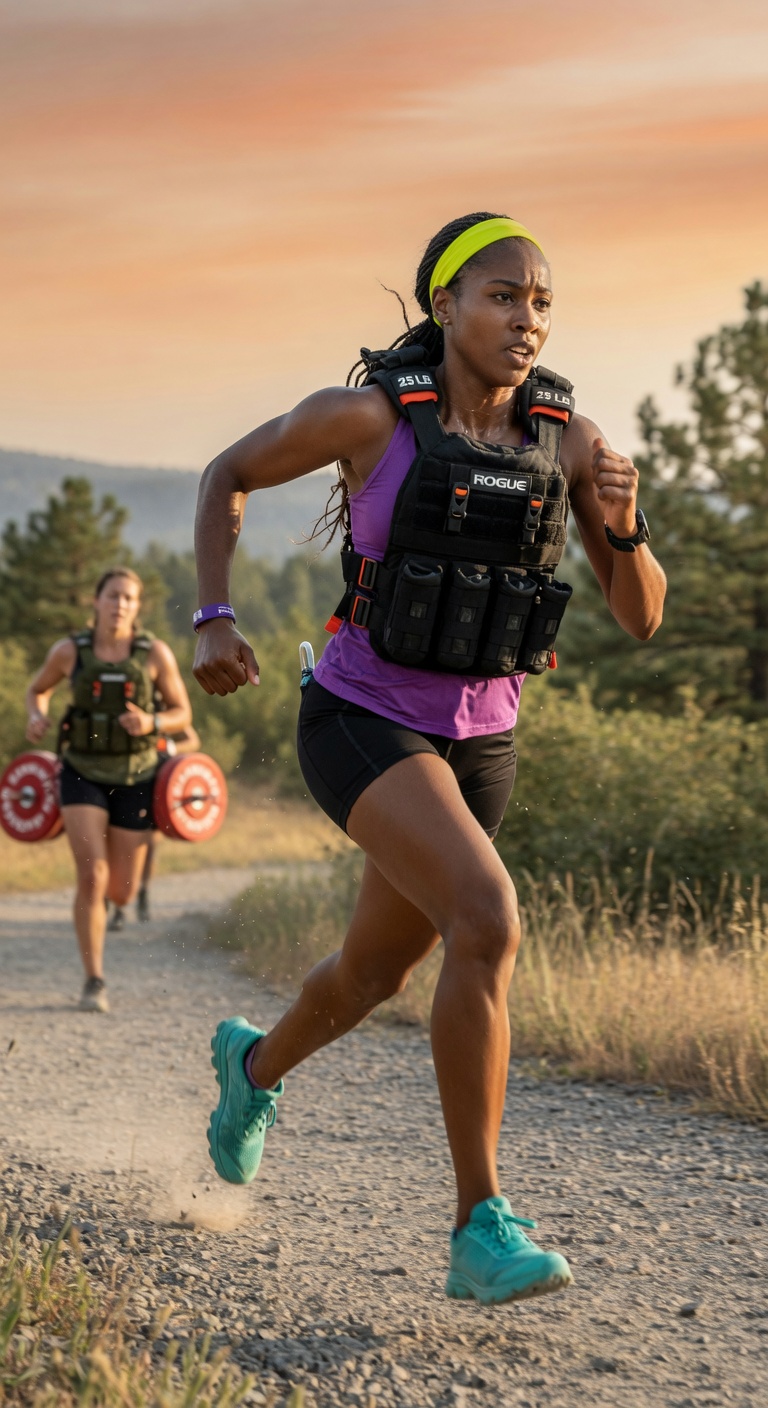
Best Weighted Vests for Running & Training in 2026: A Runner's Guide
What a Weighted Vest Actually Does for Runners
A weighted vest adds load to your bodyweight, which increases the demand on almost everything: muscles, bones, tendons, heart, and lungs.
How to Choose a Weighted Vest
Four things matter when picking one: 1. Weight (and adjustability) Start light. A good rule is no more than 5–10% of your bodyweight to begin.
How to Train With a Weighted Vest (Without Getting Hurt)
The whole game is progressive overload + the right activities. Here is a sane progression: Weeks 1–2: Wear 5% bodyweight on 30–45 minute walks only. Let your tendons and joints adapt.
Who Should — and Shouldn't — Use One
Good fit: runners with a solid base who want strength, masters runners protecting bone density, hikers and rucking fans, anyone bored of flat-ground cardio.
Gear That Pairs Well
A weighted vest is one piece of a durability-focused setup. Cushioned, supportive running shoes matter even more once you add load on walks and rucks, and a GPS watch with heart-rate lets you keep…
FAQ
Is a weighted vest good for runners? Yes, for walking, rucking, hiking and strength work — it builds strength and bone density.
Read the full guide →